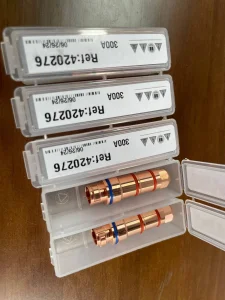
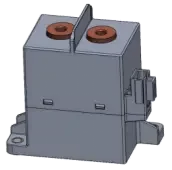
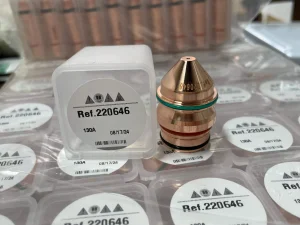
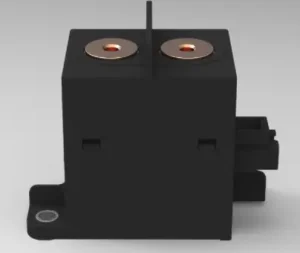
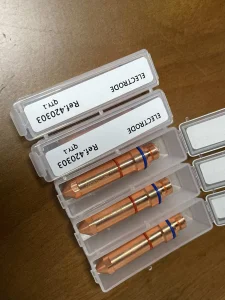
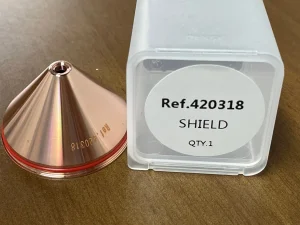
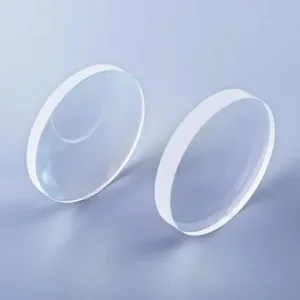
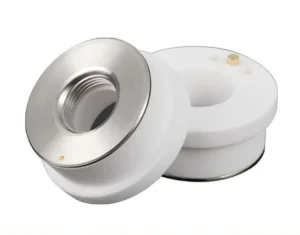
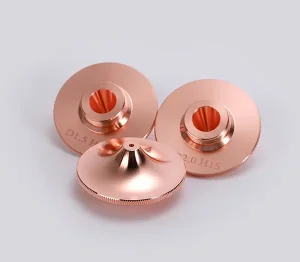
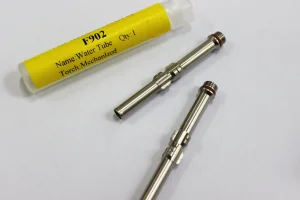
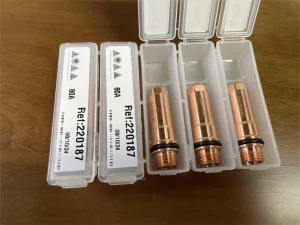
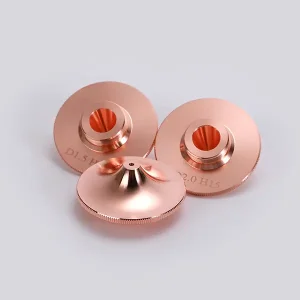
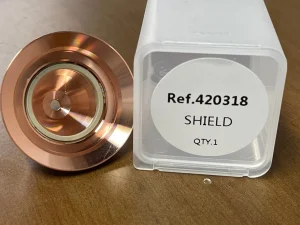
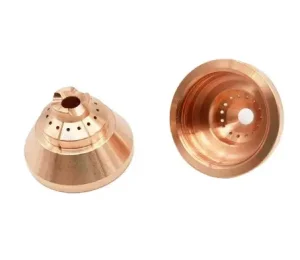
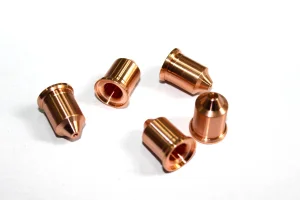
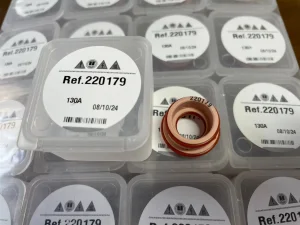
Explore our core engineering catalog, designed to meet rigorous standards of endurance, safety, and operational precision.
The global energy landscape is undergoing a monumental paradigm shift. As industries push toward carbon neutrality, High-Voltage Direct Current (HVDC) technology has transitioned from a niche power transmission mechanism to the cornerstone of modern industrial and automotive electrification. At the heart of this transition lies the High-Voltage DC Relay (also known as an HVDC contactor)—a critical safety and control device designed to isolate, connect, and disconnect electrical power reliably under high voltages and significant loads.
Historically, low-voltage alternating current (AC) networks dominated the industrial landscape. However, the surge in renewable energy adoption, large-scale battery energy storage systems (BESS), and electric vehicles (EVs) has pushed DC voltages from nominal values (12V–48V) up to 800V, 1000V, and even 1500V DC. Standard mechanical contactors fail under these loads due to the physical properties of DC arcs. Unlike AC, where current periodically crosses zero—automatically extinguishing the electrical arc—DC power maintains continuous flow. An interruption at high voltage draws a persistent, destructive plasma arc that can easily weld contacts together or cause catastrophic system failure. This makes dedicated HVDC relays with advanced arc-quenching technologies essential for safe grid and powertrain operations.
Today, the global market for high-quality HVDC relays is driven by demanding engineering requirements. Industry verticals including utility-scale solar PV fields, energy storage integrators, electric heavy-duty transport, and DC fast-charging networks require robust, hermetically sealed, gas-filled, or ceramic-brazed contactors. According to global industrial market analyses, the compound annual growth rate (CAGR) for high-voltage DC contactors is projected to hover near 18-22% over the next decade. As manufacturers seek security in supply chains, they look to Chinese manufacturing centers that offer a highly mature ecosystem of precision material processing, component assembly, and intensive quality verification.
"Electrification is only as resilient as its weakest link. High-Voltage DC relays prevent system-wide damage, isolate faults within milliseconds, and guarantee operator safety across high-voltage industrial domains."
China has established itself as the global manufacturing hub for HVDC components. This position is not merely a product of labor cost advantages, but rather the result of structural advantages in materials science, supply chain integration, and rapid prototyping capabilities. A high-quality China HVDC relay factory, such as Chengdu Suchen Environmental Protection Materials Co., Ltd., leverages a highly integrated localized ecosystem of raw materials, metal-ceramic brazing technologies, and specialized testing chambers.
The production of a reliable HVDC relay requires specialized materials, including:
By keeping the entire vertical production cycle—from precision machining of copper contacts, ceramic metallization, brazing, coil winding, to final quality assurance—under localized regional control, Chinese exporters can maintain tight dimensional tolerances and perform 100% rigorous testing. These quality validation processes include helium leak detection for the gas-filled chambers, contact resistance verification, dielectric withstand voltage tests, and mechanical lifetime cycles. The resulting efficiency allows Western and Eastern hemisphere buyers to acquire high-performance components that match or exceed Western counterparts, combined with shorter lead times and superior volume flexibility.
| Performance Parameter | Standard Low-Voltage Contactor | Advanced China HVDC Relay (Suchen Spec) | Operational Impact |
|---|---|---|---|
| Voltage Rating | Up to 240V AC / 48V DC | Up to 1000V / 1500V DC | Enables safe handling of 800V+ EV architectures and utility battery systems. |
| Arc Quenching Media | Open air ambient environment | Hermetic Ceramic Chamber with Hydrogen / Nitrogen | Rapidly cools and extinguishes high-energy DC arcs before contact damage occurs. |
| Sealing Rating | IP40 / Non-sealed typical | IP67 / Hermetically Sealed & Leak-Tested | Guarantees zero gas leakage, preventing contact oxidation in harsh environments. |
| Blowout System | None | Integrated Permanent Magnetic Blowout | Mechanically forces the electrical arc into the cooling grid to prevent contact welding. |
HVDC relays serve as safety-critical interrupters in high-power applications. As power systems evolve, localized configurations dictate the specific physical and electric tolerances required of these components.
Integrated within the Battery Junction Box (BJB) or Power Distribution Unit (PDU) to isolate the main battery pack from the inverter during idle states, maintenance, or emergency crash detections.
Acts as the primary connecting switch between the charger power modules and the vehicle's battery. Demands reliable cycling under peak currents of up to 400A to 500A during fast charge sessions.
Protects individual battery racks by isolating sub-sections under fault conditions, preventing thermal runaway and containing damage locally within mega-watt scale battery containers.
Beyond these primary markets, HVDC relays are finding application in solar PV installations, industrial automation systems, railway transit propulsion, and aerospace power distribution. For instance, in automated logistics warehouses, AGVs (Automated Guided Vehicles) running on 48V-96V lithium packs rely on these compact relays to prevent overcurrent risks. In high-power welding and plasma cutting applications—where Chengdu Suchen excels in manufacturing premium consumable components—stable DC power supplies require rugged relays to manage input filtration capacitor pre-charge and discharge cycles without failing.
The high-voltage industry is characterized by rapid technological iteration. Looking ahead, three main trends are shaping the design of HVDC relays:
To reduce charging times, automotive OEMs are shifting toward higher vehicle voltages. This change reduces the current required to deliver a given amount of power, allowing for thinner, lighter wire harnesses. However, it requires HVDC relays with higher insulation and dielectric strength (minimum 3000V AC between contacts and coil) to prevent creepage and flashover at high altitudes and under vibration.
Historically, relays only needed to break current in one direction. Today's systems feature bidirectional flows, such as EV battery charging and regenerative braking, or solar energy systems feeding into grids. Modern HVDC contactors are engineered to safely interrupt full load currents regardless of current direction, achieved through symmetrical permanent magnet positioning.
Space within battery packs and industrial cabinets is at a premium. Consequently, manufacturing processes focus on shrinking the overall dimensions of relays while retaining their current-handling capabilities. Additionally, smart grids require real-time status updates; hence, modern relays incorporate auxiliary contacts to monitor mechanical state (open/closed) and alert control units of any failures.
Purchasing components for high-voltage applications requires strict verification of safety and quality standards. International engineering managers evaluate components based on the following criteria:
Established in 2010, Chengdu Suchen Environmental Protection Materials Co., Ltd. is a diversified group company located in the Qingbaijiang District of Chengdu. For over 14 years, we have focused on three core business sectors: plasma cutting and welding consumables, laser cutting and welding consumables, and high-voltage DC relays. Our primary sales target is the international market, and we are committed to providing high-performance products and quality services to global customers, serving various industrial and manufacturing sectors.
Explore Our High-Voltage Relays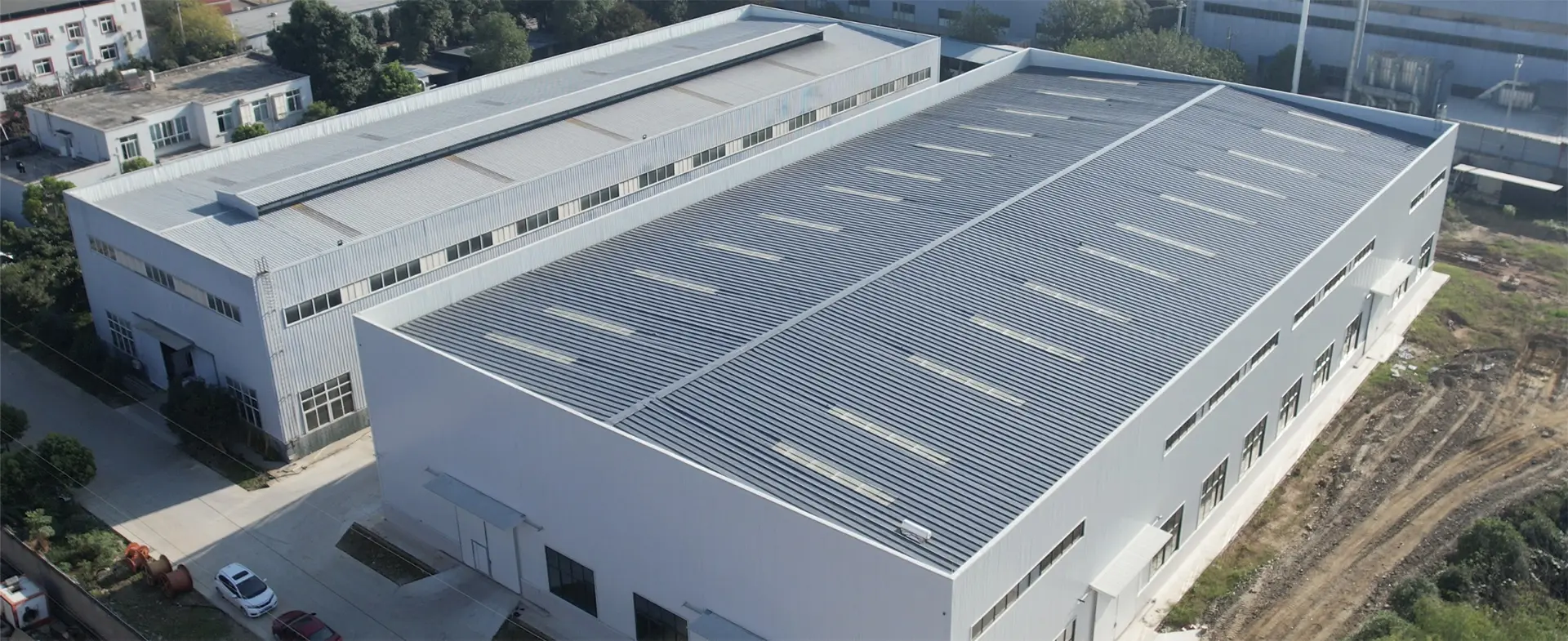
As a leader in the industry, Chengdu Suchen Environmental Protection Materials Co., Ltd. always adheres to the concept of "green sustainable development." In the process of product research and development and production, we actively use environmentally friendly materials and advanced processes to ensure that our products meet international environmental standards, helping our customers achieve green production. We believe that only through a sustainable business model can we establish and grow in the global market.
Our Vision: Our vision is to become a globally recognized supplier of environmental materials and new energy components, driving the green transformation of the global manufacturing industry. To this end, we are committed to technological innovation and market development, striving to enhance product performance and market competitiveness to meet the growing demands of our customers. We serve multiple Fortune 500 companies and have received consistent praise from our clients.
Building long-term partnerships through integrity, collaboration, and customer-first service.
We treat people with honesty to establish long-term cooperative relationships. Integrity is the foundation of our business operations, and we ensure transparency from materials sourcing to delivery.
We encourage teamwork and advocate for the sharing of knowledge and experience to achieve efficient integration and utilization of resources. We aim to create mutual success for our customers, suppliers, and partners.
We work to promote green initiatives while maintaining our "customer first" service philosophy, helping global partners build more sustainable futures.
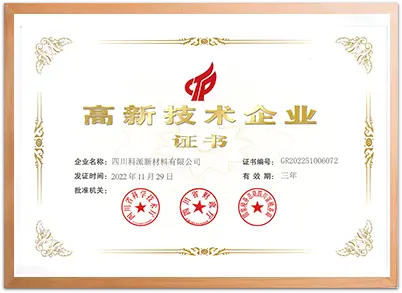
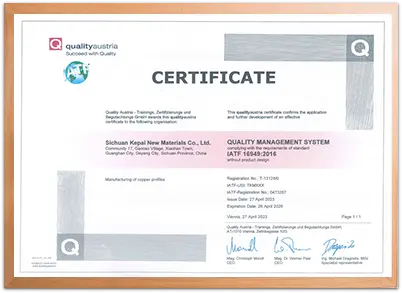
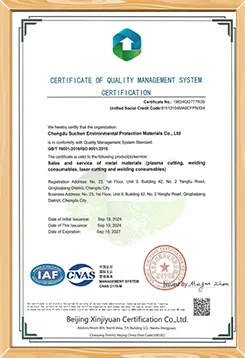
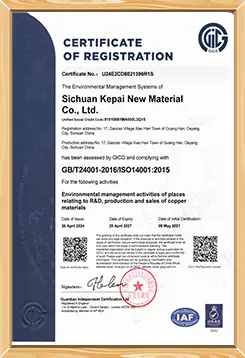
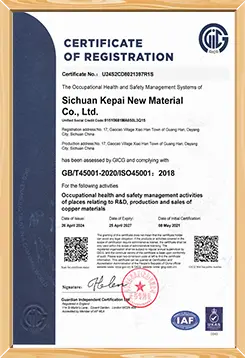
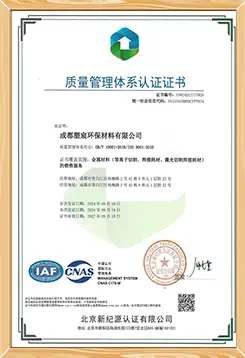
Our products and services comply with several international certifications, verifying safety, quality, and performance.

Get professional answers to common questions about selecting, applying, and buying HVDC relays.
Explore our precision laser cutting accessories, plasma shields, and custom nozzles manufactured at our Chengdu facilities.
 SUCHEN