 SUCHEN
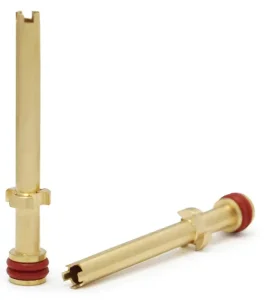
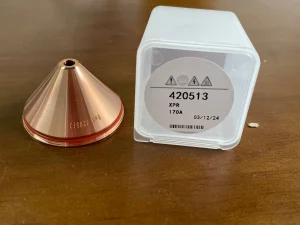
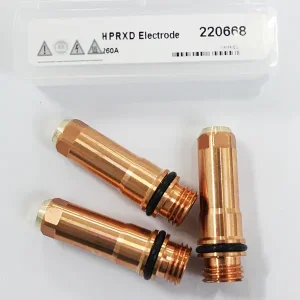
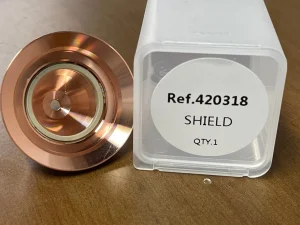
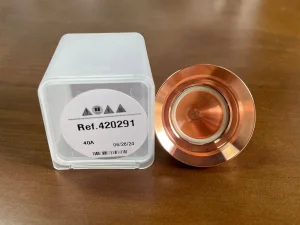
Introduction to Custom Trumpf Parts & Laser Processing Excellence
In modern industrial sheet metal fabrication, high-power CO2 and fiber laser systems are the standard for high-speed, high-accuracy cutting and welding. Among global manufacturers, Trumpf® systems represent the pinnacle of German engineering. However, maintaining these ultra-high performance systems requires regular component changes—such as specialized nozzles, protection lenses, ceramics, and water-cooling assemblies—to keep down-time to a minimum and ensure consistent edge-finish. Sourcing OEM parts directly can lead to high operating expenditure (OPEX) and lead-time constraints. This is where high-quality custom Trumpf parts suppliers and exporters offer a critical strategic bridge.
This white paper explores how advanced metallurgical engineering, optical fabrication, and smart logistics allow certified aftermarket manufacturers to supply high-precision components that meet or exceed OEM standards. By prioritizing E-E-A-T principles, this guide details how global enterprises can optimize their supply chain resilience through custom parts that ensure zero functional compromise.
“To maintain stable processing parameters at 10kW to 30kW fiber laser power, even minor dimensional deviations or material impurities in nozzles or optical protection lenses can result in beam shift, optical distortion, or component failure. Precision engineering of custom components is not an option—it is a necessity.”
Key Global Trends in Laser and Plasma Cutting Consumables
The industrial fabrication market is undergoing rapid evolution driven by three key micro-trends: the shift toward high-kilowatt fiber lasers, automated "lights-out" night-shift manufacturing, and the integration of multi-spectral process monitoring. Each of these trends places extreme physical demands on the machine’s consumables.
1. Ultra-High Power Output (12kW – 30kW+)
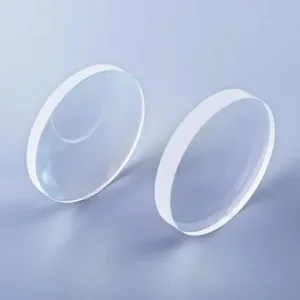
In past decades, 4kW or 6kW laser power was considered high. Today, 15kW, 20kW, and even 30kW fiber lasers are increasingly common on factory floors. High laser power results in immense thermal stress on protection lenses and nozzles. If a protection lens contains microscopic inclusions or lacks a high-damage-threshold anti-reflective coating, it will absorb heat, deform, and undergo thermal lensing—ruining the cut quality. Custom Trumpf parts manufacturers must use premium-grade fused silica substrate and multi-layered physical vapor deposition (PVD) coatings to withstand these demanding energy densities.
2. Intelligent and Adaptive Gas Flow Mechanics
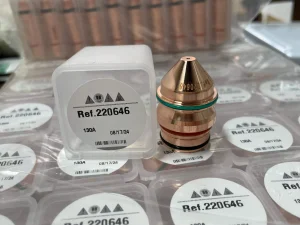
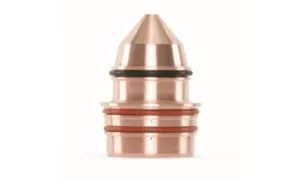
Nozzles are not simple copper cups; they are complex aerodynamic systems. When cutting with nitrogen (fusion cutting) or oxygen (flame cutting), the geometry of the nozzle tip governs the gas velocity and flow pattern. Modern custom Trumpf parts utilize CNC-machined internal profiles that prevent turbulence, ensuring clean melt expulsion and reducing slag formation. Innovations such as touchless sensing technology and optimized dual-flow nozzles are key components of Suchen's technical design portfolio.
Global Procurement Pain Points & Custom OEM/ODM Solutions
Purchasing directors and maintenance engineers in Europe, the Americas, and Southeast Asia face severe challenges when managing supply chains for high-volume laser cutting plants. These challenges include:
- Geopolitical Supply Shocks: Instabilities in shipping lanes and localized trade tariffs create unpredictability in component availability.
- Oversized Margins on OEM Consumables: Proprietary parts pricing often includes heavy markups that impact the cost-per-part calculations of contract fabricators.
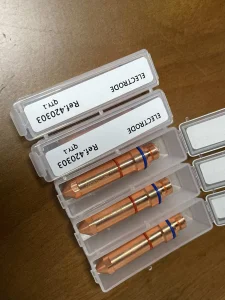
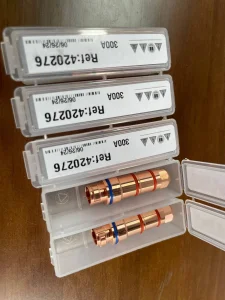
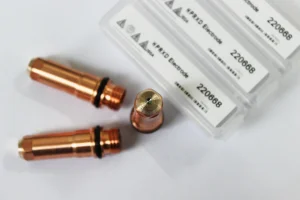
- Lack of Customization: In special applications (e.g., highly reflective non-ferrous metal cutting or thick-plate profiling), standard OEM geometries may not offer the absolute best yield. Custom-engineered nozzles or specialized brazed electrodes are often required.
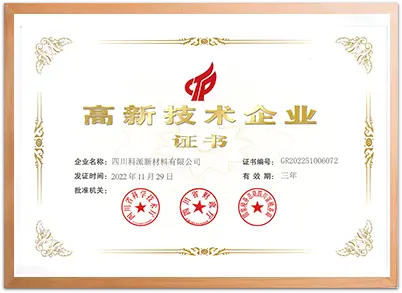
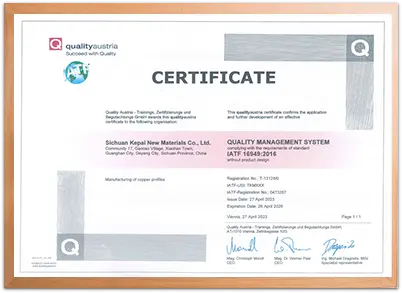
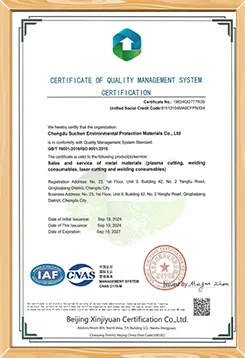
By partnering with a verified manufacturer and exporter like Chengdu Suchen Environmental Protection Materials Co., Ltd., global enterprises can leverage customized ODM and OEM solutions. Our engineering teams customize alloy compositions, modify dimensions for specialized setups, and optimize cooling channel paths to provide measurable performance gains in demanding scenarios.