 SUCHEN
1 / 1
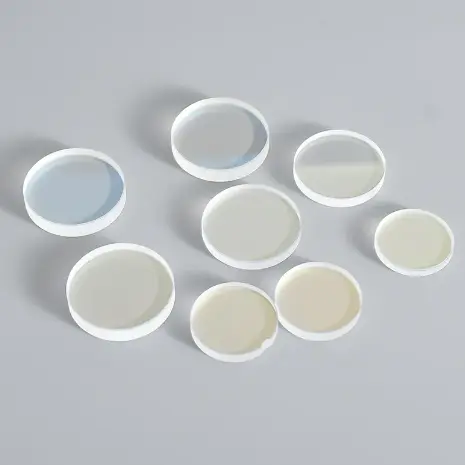
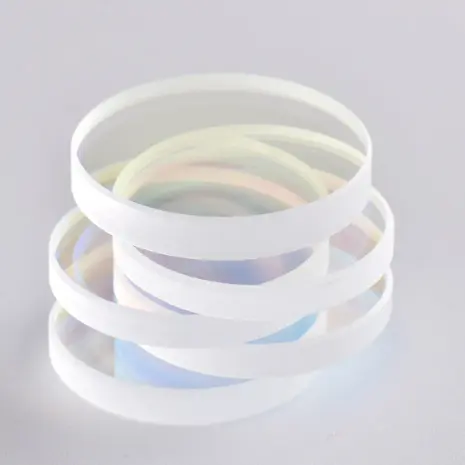
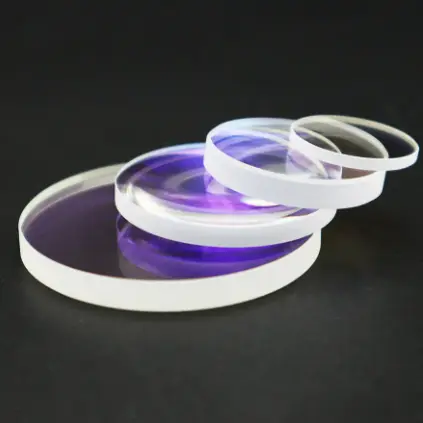
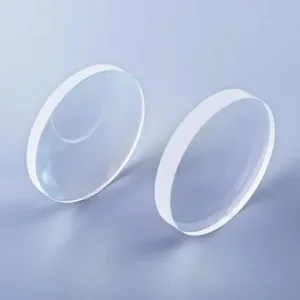
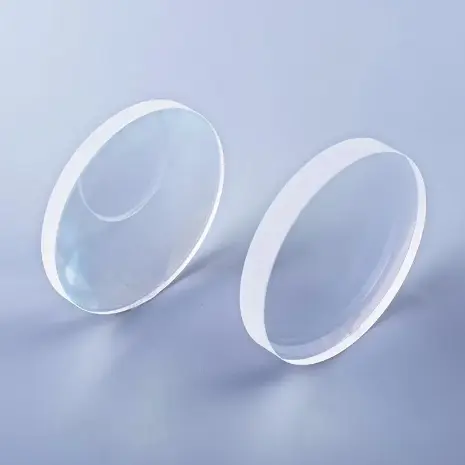
Laser cutting machine will produce a lot of dust, slag and metal spatter when working. If these impurities enter the laser head directly, they may contaminate or damage precision optical components such as laser lenses and focusing mirrors. As the first line of defense, the protective lens can effectively block these impurities and extend the service life of the optical system.
The protective lens has a high transmittance and a low scattering rate to ensure that the laser beam maintains a high quality transmission as it passes through. If the protective lens is damaged or contaminated, it will lead to laser energy loss or beam deformation, which will affect the cutting accuracy and efficiency.
In the long period of high-power laser cutting process, the protective lens can withstand high temperature and high pressure environment, maintain stable performance. Its presence can reduce equipment downtime caused by optical system contamination or damage and improve production efficiency.
The protective lens is a relatively vulnerable part of the laser cutting machine, but its cost is much lower than the focusing mirror or other optical components inside the laser head. Regular replacement of protective lenses can effectively avoid more expensive maintenance costs and reduce the overall maintenance cost of the equipment.
Protective lenses are usually made of highly heat-resistant, corrosion-resistant materials (such as quartz or optical glass) and can adapt to different working environments, including high temperature, high humidity or high dust environments.
By protecting the protective role of the lens, the core optical system of the laser cutting machine can avoid direct exposure to harsh working environments, thereby extending the service life of the equipment and ensuring long-term stable cutting performance.
Since protective lenses are susceptible to contamination or damage during laser cutting, they need to be inspected and replaced regularly. Here are some common maintenance suggestions:
Regular cleaning: Use special lens cleaning tools and cleaners to avoid scratching the lens surface.
Timely replacement: When the protective lens has scratches, cracks or serious pollution, it should be replaced in time to avoid affecting the cutting quality.
Correct installation: When replacing the protective lens, ensure that the installation direction is correct to avoid laser beam deviation or energy loss due to installation errors.