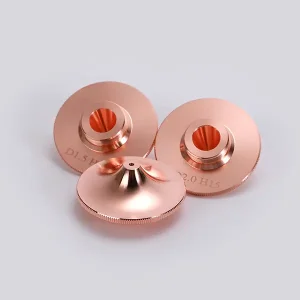
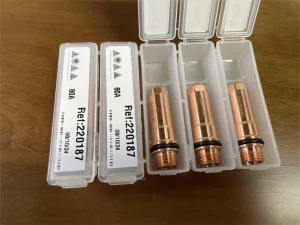
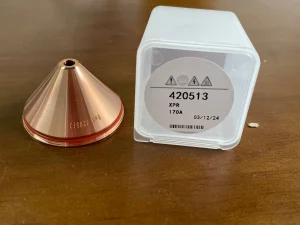
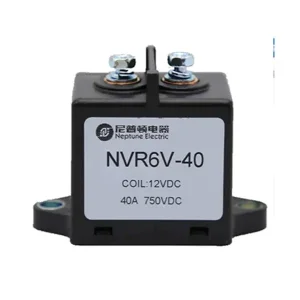
In modern manufacturing, thermal processing—spanning laser beam cutting, plasma arc cutting, and specialized gas metal arc welding—demands absolute mechanical precision. The welding nozzle, electrode, and shield cap represent the final boundary of process energy delivery. A deviation of a few microns in nozzle orifice concentricity can cause turbulent gas flow, resulting in severe dross formation, excessive kerf width, and accelerated consumable degradation. As industrial production lines transition towards full automation and smart cyber-physical systems, the reliance on high-durability, premium thermal cutting consumables has grown exponentially.
Our primary operational objective is to address the global B2B procurement demand for zero-defect consumables that integrate directly with leading international platforms, ensuring prolonged uptime, optimal heat transfer, and reduced process variation. This white paper serves to outline the technological paradigms of thermal consumables design, material advancements, and critical components performance metrics.
"Thermal processing efficiency is determined at the nozzle orifice. Achieving consistent gas dynamics and maintaining arc integrity under extreme temperatures (exceeding 20,000K in plasma processes) is not merely a manufacturing objective—it is a material science imperative."
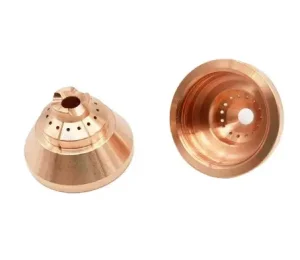
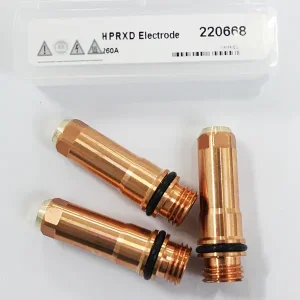
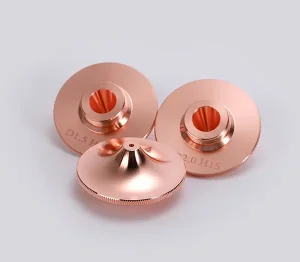
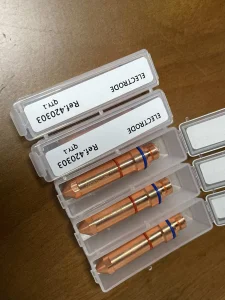
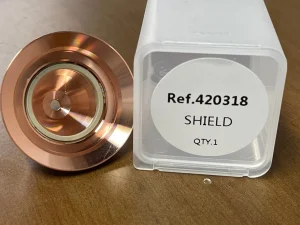
By analyzing fluid dynamics, mechanical tolling, and metallurgical integration of oxygen-free copper and hafnium inserts, this document details how Suchen's manufacturing standards elevate the lifetime and precision of consumables like the OEM 420172 Shield Cap, the OEM 220668 Plasma Electrode, and customized laser cutting optics.
The international welding and thermal cutting marketplace is undergoing a profound structural evolution. Driven by infrastructure investments in North America, high-tech automotive tooling in Europe, and heavy industrial automation throughout East Asia, factories are demanding consumable components that offer extended duty cycles. In high-power fiber laser systems and high-current mechanized plasma processes, standard aftermarket products often fail prematurely due to micro-cracking and thermodynamic stress.
Continuous robotic integration requires electrode inserts and shielding components to withstand intense thermal shocks without shifting the arc center or causing gas turbulence.
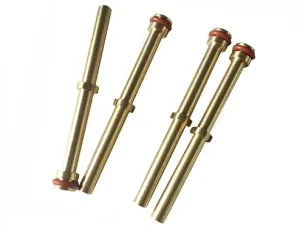
From water cooling tubes supporting 400A cutting processes (e.g., OEM 220521 water cooling tube) to protection lenses in kilowatt laser heads, precise engineering guarantees alignment with OEM machinery.
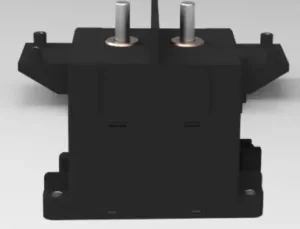
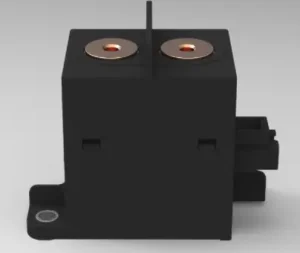
The transition to New Energy Vehicles (NEVs) introduces demands for specialized High-Voltage DC (HVDC) relays, which manage battery disconnect units and heavy-power distribution grids safely.
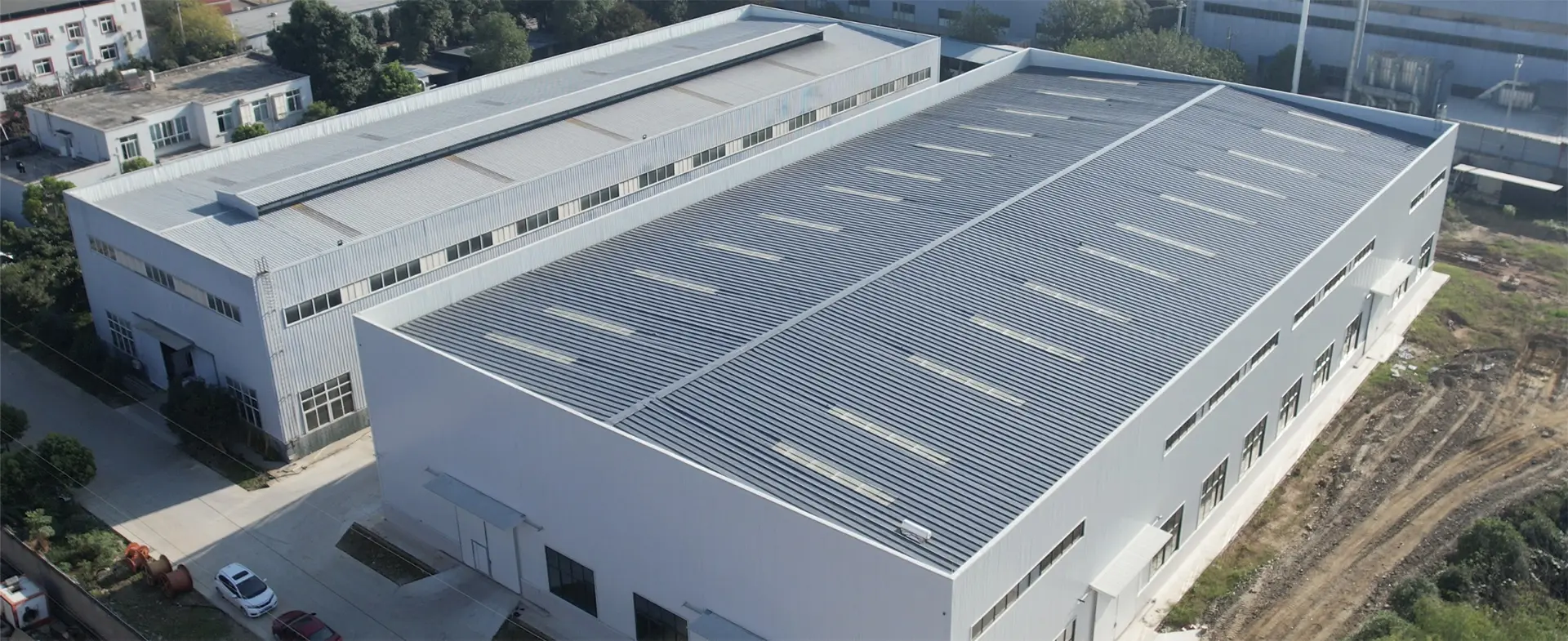
Established in 2010 in the Qingbaijiang District of Chengdu, Chengdu Suchen Environmental Protection Materials Co., Ltd. has grown into a leading manufacturer specializing in high-performance consumables for industrial thermal processing, and components for green energy infrastructure. Strategically positioned near the Chengdu International Railway Port, Suchen leverages the Belt and Road logistics corridor to export rapidly to key markets across Europe, the Americas, and Southeast Asia.
Our 14-year production heritage has enabled us to achieve exceptional quality control. We utilize high-precision Swiss-type CNC lathes, specialized micro-drilling systems, and advanced metallurgical bonding techniques. This ensures every nozzle, electrode, and protection lens meets strict dimensional tolerances within ±0.005mm.
Our commitment to green sustainable development ensures our manufacturing footprint reduces chemical emissions and utilizes fully recyclable raw metals, matching RoHS and REACH requirements.
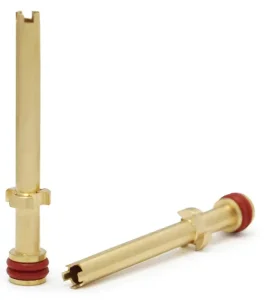
The operational environment of a plasma nozzle or laser nozzle is severe. During mechanized high-amperage plasma arc cutting, the electrode insert (typically Hafnium for oxygen-assisted processes, or Tungsten for nitrogen/argon setups) must sustain a high-density electrical arc. Because the insert operates near its melting point, heat dissipation must be handled immediately by surrounding copper structures. This requires high-thermal-conductivity copper alloys, often combined with precision-aligned water cooling tubes, such as the OEM 220340 Water Cooling Tube.
| Consumable Category | Key Material Components | Critical Tolerances | Principal Degradation Factor | Optimized Replacement Cycle Benefit |
|---|---|---|---|---|
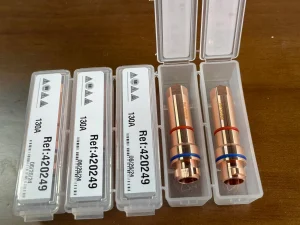
| Plasma Electrodes (e.g. 220668, 420249) | Oxygen-free High Conductivity (OFHC) Copper & Hafnium | ±0.005 mm Concentricity | Hafnium pit depth erosion (>1.5 mm) | Maintains clean pilot arc strike, limits nozzle damage |
| Plasma Nozzles & Shields (e.g. 420172, 420513) | Deoxidized Tellurium Copper, High-temp Silicon Rings | ±0.01 mm Orifice Alignment | Double-arcing and splash back slag buildup | Protects cutting kerf shape, prevents bevel errors |
| Laser Protection Lenses | Fused Silica (Suprasil), Anti-Reflective (AR) Coating | Surface Quality 20/10 scratch-dig | Thermal lensing due to particulate contamination | Maintains focal point stability during high-power cutting |
| High-Voltage DC Relays (e.g. NVR6V-500) | Oxygen-free Copper Contacts, Ceramic Hermetic Seals | Contact Resistance < 0.3 mΩ | Electrical wear, contact pitting during load break | Ensures high-voltage isolation in NEV battery systems |
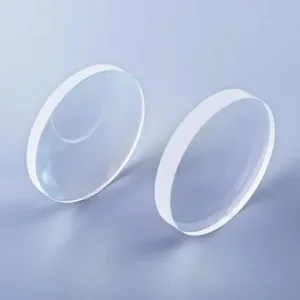
In laser cutting optics, the challenge shifts to optical purity and thermal lensing prevention. A protection lens (such as the **High-Quality Laser Cutting Protection Lense**) must exhibit absorption rates of less than 10-5 per centimeter. Suchen's optical lenses are produced from premium fused silica substrates and finished with double-sided antireflective coatings to withstand high kilowatt power outputs without shifting the focal point, ensuring long-term cutting precision.
As a modern, diversified enterprise, Chengdu Suchen operates on robust business principles designed to create long-term shared value for clients, partners, and the global industrial ecosystem.

To become a globally recognized provider of high-grade environmental materials and new energy components. By prioritizing technological innovation and expanding our market footprint, we actively drive green transformations across global industrial manufacturing networks.

Built on the foundation of "integrity, cooperation, and win-win." Suchen recognizes integrity as the primary cornerstone of development. We prioritize teamwork, standard operating procedures, and collective knowledge-sharing to maximize resource utilization and yield high-value output.

Upholding a strict "customer first" philosophy. We are dedicated to providing responsive, tailored technical support, optimizing supply chain logistics, and ensuring seamless aftermarket support to minimize down-time for our worldwide industrial partners.

Our business philosophy hinges on sustainable practices. Throughout our development and manufacturing workflows, Suchen utilizes advanced eco-friendly alloys, minimizes non-compliant processing fluids, and operates energy-efficient machinery. This mitigates the carbon footprint of our operations, supporting our customers in achieving green manufacturing milestones. We believe that integrating ecological stewardship with advanced manufacturing is essential for sustainable growth in the global market.
In addition to thermal cutting consumables, Suchen has established a robust design and manufacturing footprint in high-voltage direct current (HVDC) electromagnetic relays. High-Voltage DC relays (such as the Wholesale NVR6V-500 DC Relay and ODM NVR6V-250C Relay) are critical safety and control components in Battery Management Systems (BMS), Electric Vehicle (EV) fast-charging infrastructure, and photovoltaic energy storage platforms.
These components must safely isolate high voltages (up to 1000V DC and above) and clear fault currents without catastrophic failure. Inside Suchen’s hermetically sealed relays, advanced gas-filling techniques (typically hydrogen-nitrogen mixtures) suppress electrical arcing within milliseconds. This prevents contact welding, ensures low contact resistance, and delivers robust, long-term reliability under mechanical vibration and temperature fluctuations.
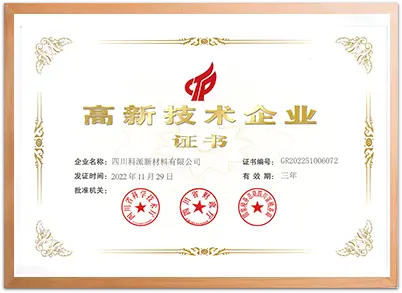
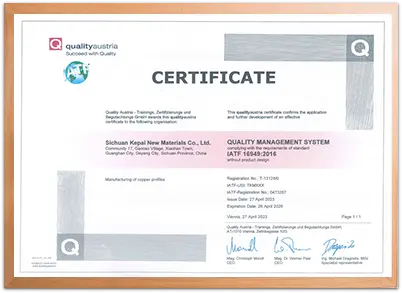
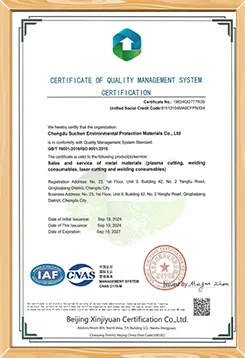
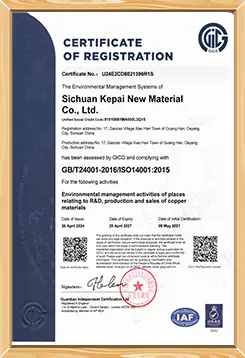
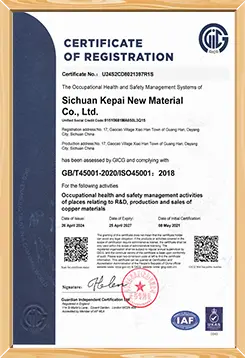
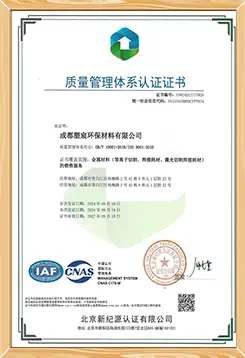
To operate as a trusted global exporter, Suchen ensures all production workflows conform to strict international standards. Our manufacturing facilities are audited according to ISO 9001:2015 quality management principles. Our product offerings have passed CE and RoHS testing, guaranteeing safety compliance, chemical restriction compliance, and electrical reliability across various target markets.
Whether you are sourcing replacements for specialized high-power plasma torches or looking for high-performance laser nozzles, our certifications assure consistent, reliable quality that matches or exceeds OEM specifications.


For global purchasing directors, component suppliers, and system integrators, selecting the correct replacement parts involves checking key parameters to avoid downtime. When ordering laser and plasma consumables, use the following engineering checklist to verify compatibility and optimize service lifetimes:
Expert answers to technical queries regarding plasma consumables, laser optics, and industrial electrical components.
 SUCHEN