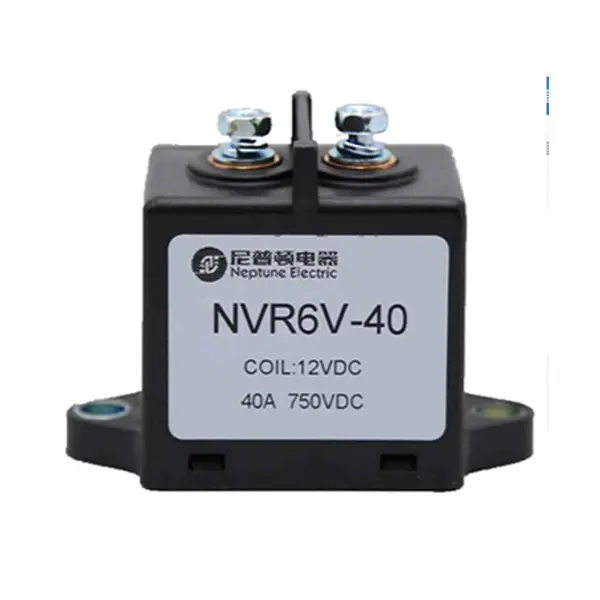
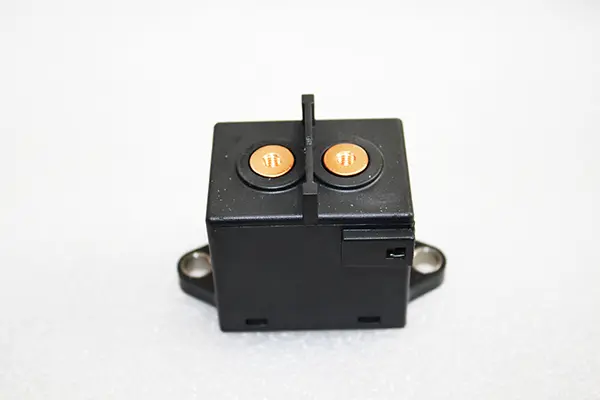
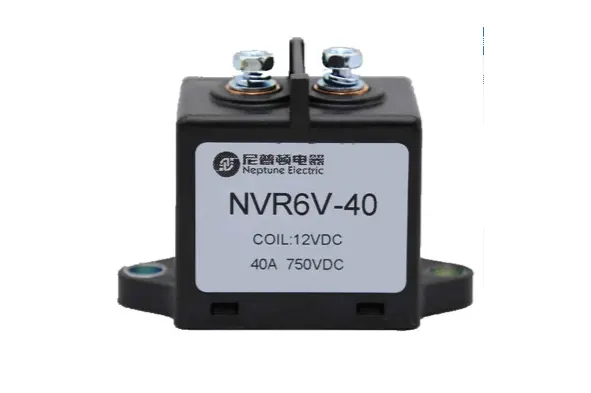
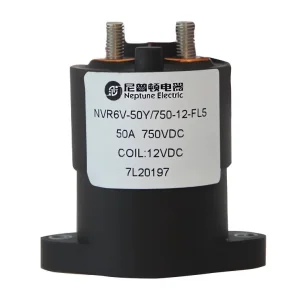
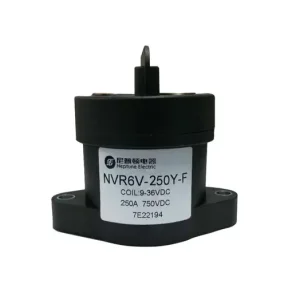
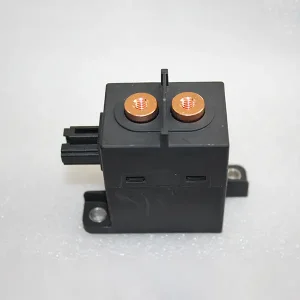
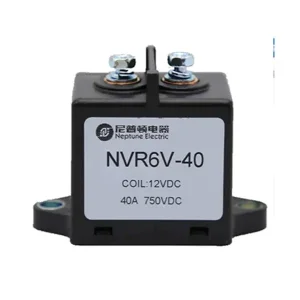
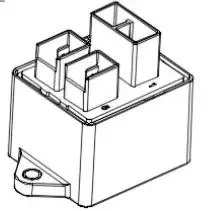
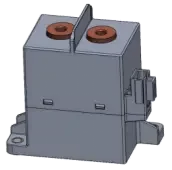
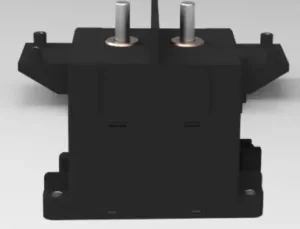
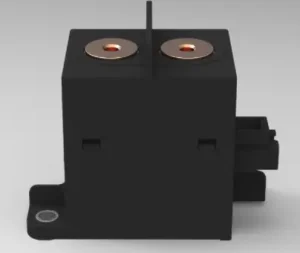
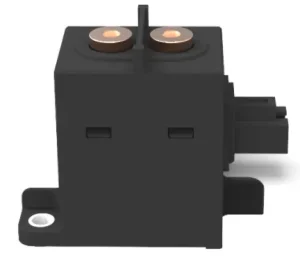
Custom High Voltage DC Electromagnetic Relay Manufacturer, Factory

High Voltage DC Electromagnetic Relay (HVDC relay) is a kind of switching device used to control high voltage direct current circuit, its core working principle is through the electromagnetic force to drive the mechanical contact to achieve the circuit on and off. Compared with AC relays or low-voltage DC relays, HVDC relays are unique in design and performance, especially in HVDC environments, which need to solve key issues such as arc, insulation and voltage resistance.

Product Description

Working Principle

The core components of HVDC electromagnetic relay include electromagnetic coil, iron core, armature and mechanical contact. When the coil is energized, the generated electromagnetic force attracts the armature, driving the mechanical contact to close or break, thus controlling the circuit on and off. Due to the constant current direction in the high voltage direct current circuit, the contact is prone to produce a continuous arc when it is disconnected, so the high voltage direct current relay usually requires a special arc extinguishing design.

Main Structure

Electromagnetic system: Composed of coils, iron cores and armature, it is responsible for converting electrical energy into mechanical energy and driving contact action.
Contact system: Including static contact and moving contact, usually made of arc resistant, high temperature resistant materials (such as silver alloy) to withstand arc erosion under high voltage direct current environment.
Arc extinguishing device: Because the arc in the high voltage direct current circuit is difficult to be extinguished naturally, the relay is usually equipped with an arc extinguishing device, such as magnetic blow out, vacuum arc extinguishing or gas arc extinguishing (such as SF6 gas).
Insulation system: Under high pressure environment, relays need to have good insulation performance, usually using high insulation materials such as ceramics and engineering plastics.
Shell: Used to protect the internal structure, usually with a sealed design to prevent dust, moisture and other external environment.

Technical Features

High voltage resistance: Can withstand thousands of volts or even higher DC voltage, suitable for high voltage DC system.
High current carrying capacity: Contacts are designed to carry large DC currents, typically ranging from a few amps to hundreds of amps.
Strong arc extinguishing ability: The use of special arc extinguishing technology can effectively inhibit the arc generated when the contact is disconnected, and extend the life of the relay.
High insulation performance: In high voltage environments, relays need to have excellent insulation performance to prevent breakdown or leakage.
Mechanical life: Due to the use of mechanical contacts, their life is usually limited to contact wear and arc erosion, generally between tens of thousands to hundreds of thousands of times.

Application Fields

Electric vehicles: For high-voltage DC circuits such as battery management systems (BMS), charging piles and motor control.
Energy storage system: Used to control the charge and discharge process of the battery pack.
HVDC transmission: Used for switches and protection devices in HVDC transmission systems.
Industrial equipment: Used in high voltage DC power supply, electroplating equipment, electrolytic equipment and other industrial occasions.
New energy field: High voltage DC control for solar power generation, wind power generation and other new energy systems.

Product Displays

Frequently Asked Questions
Q: How does an HVDC electromagnetic relay work?
It uses an electromagnetic coil to generate force when energized. This force attracts the armature, driving mechanical contacts to close or break and control the flow of the circuit.
Q: Why do high voltage DC relays require special arc extinguishing?
Since the current direction is constant in HVDC circuits, breaking the contact easily creates a continuous electrical arc. Special arc extinguishing mechanisms prevent damage and ensure safe shutdown.
Q: What materials are used for the contacts in these relays?
The contacts are typically made of high-temperature and arc-resistant materials, such as silver alloy, to withstand strong electrical erosion under high voltage.
Q: Where are HVDC electromagnetic relays commonly applied?
They are widely used in electric vehicles (BMS, charging piles), battery energy storage systems, industrial power supplies, HVDC transmission systems, and solar or wind power setups.
Q: What determines the mechanical life of these relays?
The life is primarily determined by contact wear and arc erosion during operation, typically ranging from tens of thousands to hundreds of thousands of switching cycles.

Related Products