 SUCHEN
1 / 3
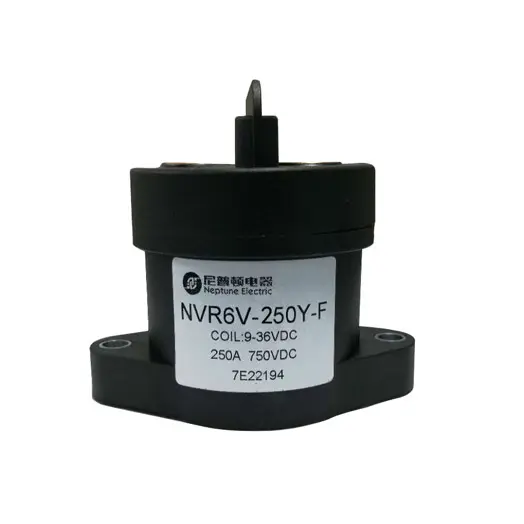

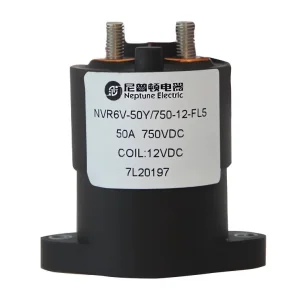
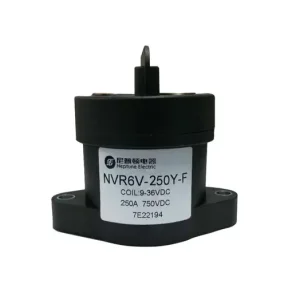
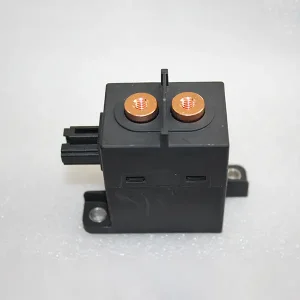
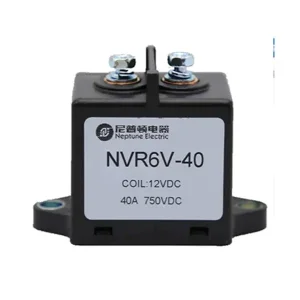
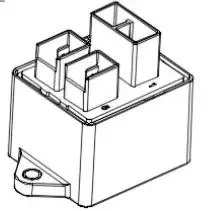
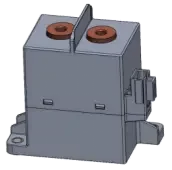
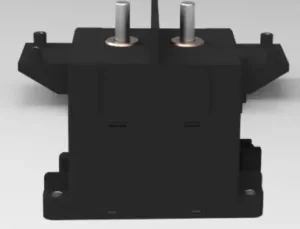
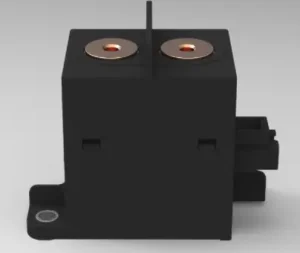
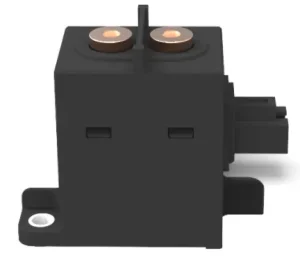
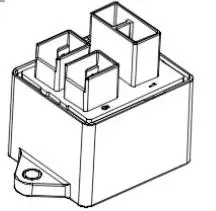
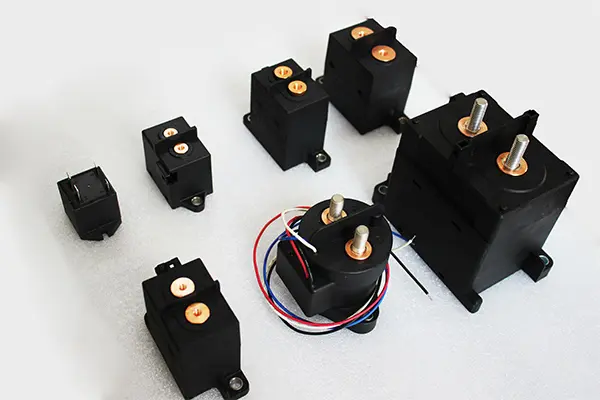
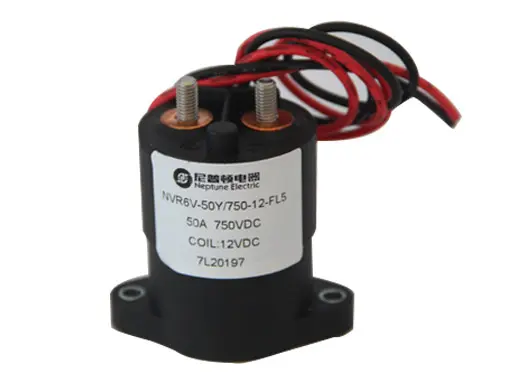
An electromagnetic relay consists of an electromagnetic coil (wound on an iron core to generate a magnetic field), a contact system (including normally open, normally closed, and convertible contacts), and auxiliary components like a spring for reset and a protective housing.
When the electromagnetic coil is energized, the iron core becomes magnetized. This magnet force attracts the armature, causing the contact to close and successfully switch the circuit on.
Relays are generally classified by current type (low power vs. high power), contact type (such as SPST or DPDT), and function (including time delay relays, thermal protection relays, and solid-state relays).
They offer high reliability due to their simple mechanical structure, fast response speeds in the millisecond range for automation, and excellent safety via electromagnetic isolation between input and output circuits.
Relays are widely implemented in power systems for circuit protection, industrial automation for production line control, automotive electronics (like lights and AC), communication equipment for signal isolation, and household appliances.