HVDC transmission: In HVDC transmission systems, HVDC relays are used to control converter valves, circuit breakers and other equipment.
New energy power generation: In the field of new energy such as solar power generation and wind power generation, HVDC relays are used to control inverters and energy storage systems.
Special equipment: In some special equipment that requires high voltage control, high voltage DC relays are also used.
High voltage DC relay features
Coil resistance is large: Because the control voltage is very high, the coil turns are very many, the resistance is very large, so the working current is very small.
Large contact capacity: HVDC relays can control very high-power loads, and the contact capacity is generally more than 50A.
Large volume: HVDC relays are very large and require special installation space and heat dissipation measures.
Expensive: The production process of HVDC relays is very complex and the price is very expensive.
Selection of HVDC relay
Control voltage: Select a relay that matches the voltage of the control circuit.
Coil resistance: Select the appropriate coil resistance according to the drive capability of the control circuit.
Contact capacity: Select the appropriate contact capacity according to the current and voltage of the load.
Installation mode: Select the appropriate relay installation mode according to the installation space, such as cabinet installation and bracket installation.
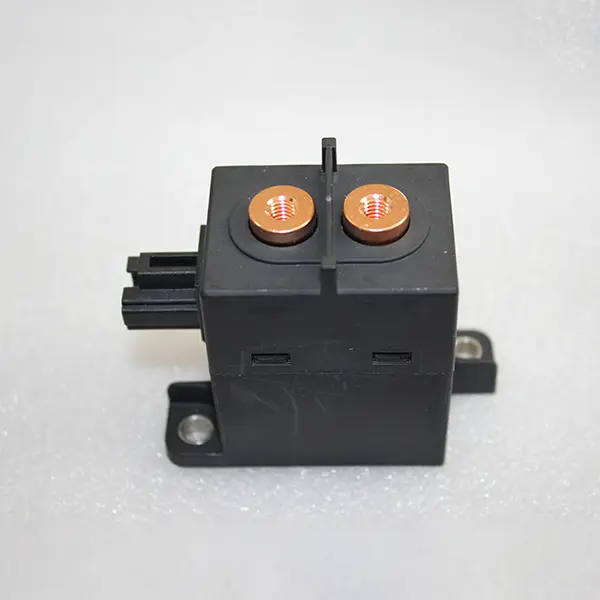
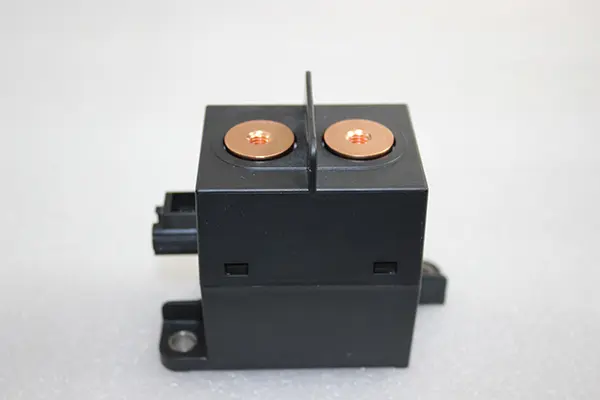
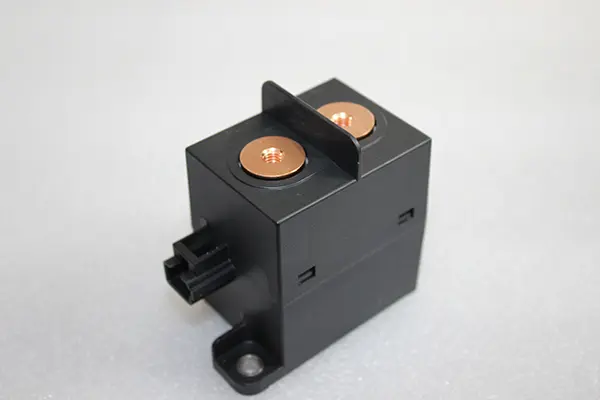
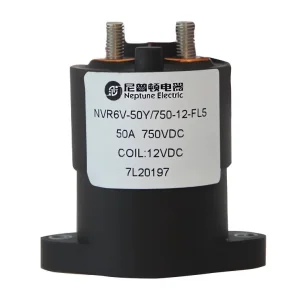
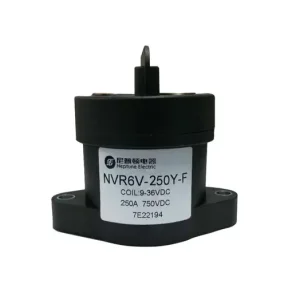
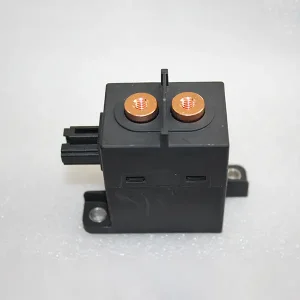
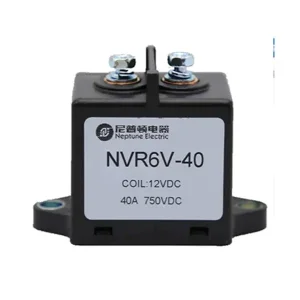
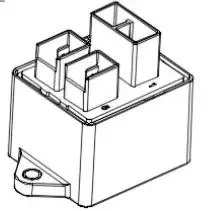
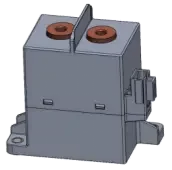
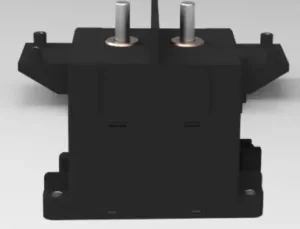
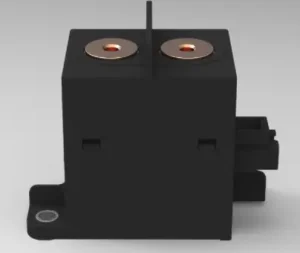
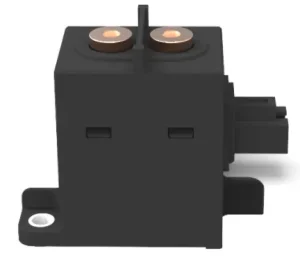
Product displays
FAQ
Q1: What are the main application areas for HVDC relays?
HVDC relays are primarily used in HVDC transmission systems, renewable energy sectors like solar and wind power, and specialized equipment requiring high voltage control.
Q2: Why do HVDC relays have such large physical dimensions?
They are designed to handle high-power loads and usually require significant internal components, as well as specific space for heat dissipation, leading to a larger physical volume.
Q3: How should I choose the right contact capacity for an HVDC relay?
The contact capacity should be selected based on the specific current and voltage requirements of your load to ensure safe and reliable operation.
Q4: What defines the coil resistance of an HVDC relay?
Due to the high control voltage, these relays have many coil turns, resulting in high coil resistance and a very small operating current.
Q5: Is it important to consider the installation mode?
Yes, you must choose an installation mode (such as cabinet or bracket mounting) that fits your specific space constraints and mechanical requirements.
 SUCHEN