 SUCHEN
1 / 1
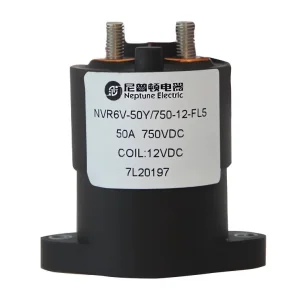
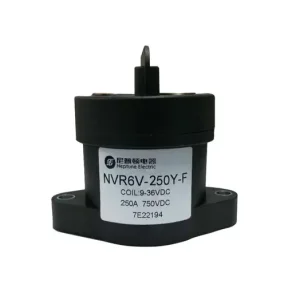
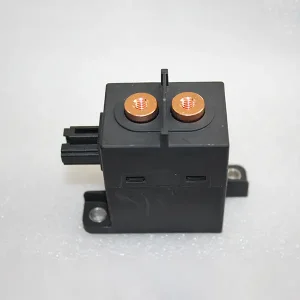
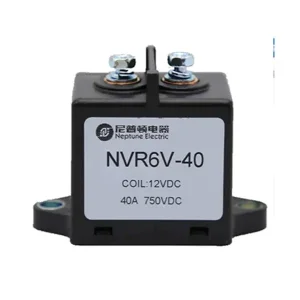
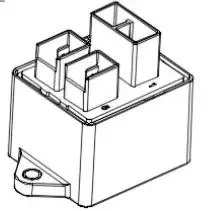
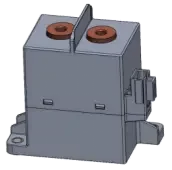
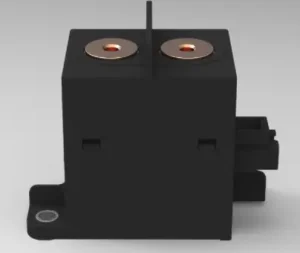
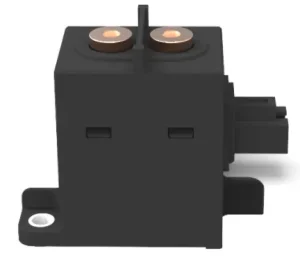
A high-power DC relay is a relay specifically designed to handle large load currents, typically between tens of amps and hundreds of amps. This kind of relay has a wide range of applications in power systems, motor control, welding equipment and other high-power occasions.
The structure of a high-power DC relay is relatively complex, mainly including an electromagnet, contact system, arc extinguishing device, and heat dissipation system.
Due to the need to handle large currents, the coil of the electromagnet is usually wound with thick wire, and the contacts are made of highly conductive, high-temperature resistant materials, such as copper or silver alloys. The arc extinguishing device quickly extinguishes arcs when contacts break to prevent ablation, while the cooling system dissipates heat generated during operation.
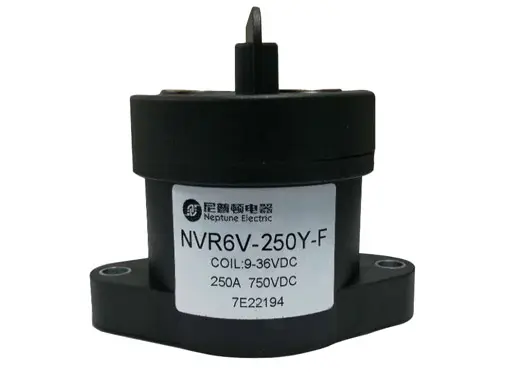
A high-power DC relay is specifically engineered to control and switch large electrical currents, typically ranging from tens to hundreds of amperes, in high-power applications.
When contacts break under heavy electrical loads, highly destructive electrical arcs are formed. The arc extinguishing device quickly suppresses these arcs to protect the contacts from burning or ablation.
They are widely utilized in power distribution and control systems, industrial motor starters, electric welding equipment, and temperature control elements in electric furnaces.
You should always choose a relay with a rated current higher than the normal operating load current, ensuring you also calculate and accommodate transient inrush or starting currents.
Key practices include regular checks for contact wear, keeping thermal management and heat dissipation systems clear, ensuring proper mechanical installation, and strictly avoiding overloading.
Yes, most high-power relays come equipped with safety systems such as overload and short-circuit protection to prevent damage to the relay and connected circuits.