 SUCHEN
1 / 1
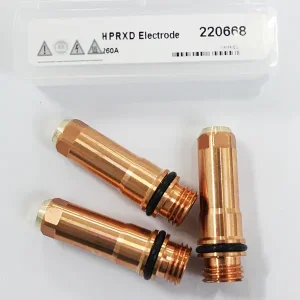
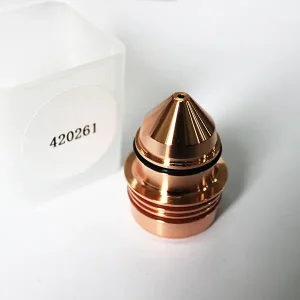
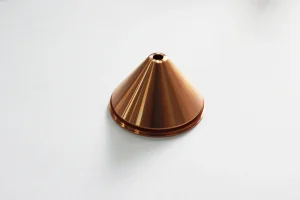
By forced convection, the temperature of the cutting torch is rapidly reduced to prevent key components such as electrodes and nozzles from being burned out due to high temperatures, thereby extending the lifespan of vulnerable parts.
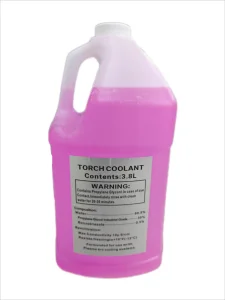
Prevent coolant from freezing in low-temperature environments to ensure the normal operation of the cooling system (for example, Kelbe PA-S70W coolant can withstand a low temperature of -15℃).
Inhibit the formation of scale, reduce corrosion to the copper gun body and pipelines, and prevent clogging of air holes or insulation failure.
Stabilizing the temperature helps maintain the stability of the plasma arc and cutting accuracy, reducing the unevenness of the cutting surface caused by thermal deformation.
Select the appropriate formula based on the power of different equipment (for example, Haibao MAX200 coolant is suitable for DC power supply) and working conditions (such as high temperature and high pressure).
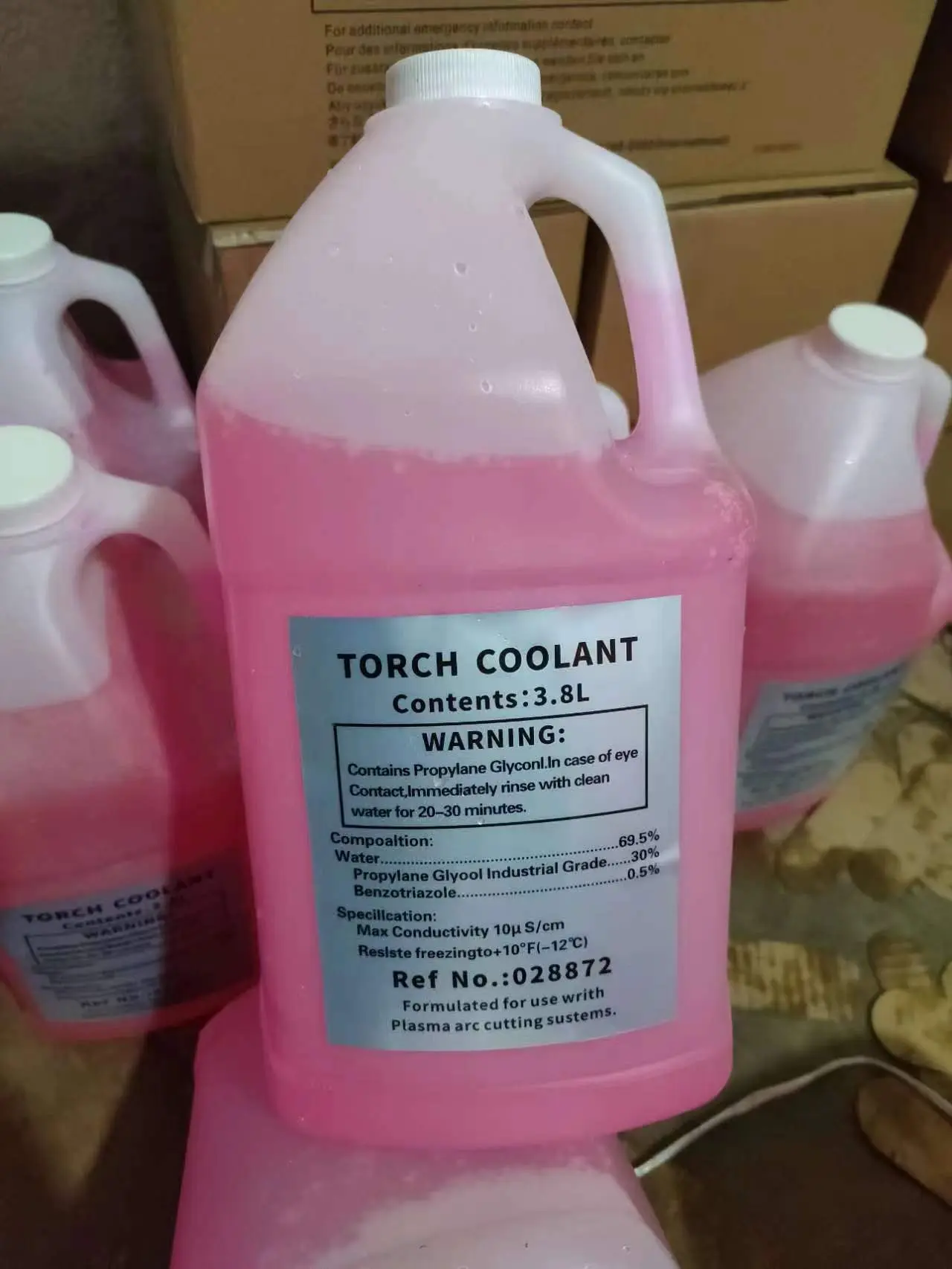
The dedicated coolant significantly reduces the risk of torch burnout and lowers maintenance costs by optimizing heat conduction and anti-corrosion performance.
Low electrical conductivity: Reduces the risk of short circuits caused by the conductivity of coolant.
High-temperature resistance: It remains stable in high-temperature environments, avoiding vaporization or decomposition (some products can withstand the instantaneous high temperatures generated by plasma arcs).
It complies with environmental protection standards (such as RoHS) and has no toxic residues. It has good compatibility with metals (such as aluminum, copper, stainless steel, etc.) and non-metallic materials (seals, pipelines), avoiding chemical corrosion.
Although the initial cost is relatively high, dedicated coolant offers significant long-term benefits by reducing the frequency of replacement of vulnerable parts (such as electrodes and nozzles) and downtime.
A: Through forced convection, the coolant rapidly lowers the temperature of the cutting torch. This protects critical parts like nozzles and electrodes from heat-induced failure, effectively extending their overall lifespan.
A: Yes, specialized coolants provide anti-freezing protection to keep the system running smoothly in cold conditions. For example, Kelbe PA-S70W coolant is designed to withstand low temperatures down to -15℃.
A: Low electrical conductivity minimizes the risk of internal short circuits that could be triggered by electrical currents flowing through the coolant during plasma arc operation.
A: Yes, it is formulated for broad compatibility with metals (such as copper, aluminum, and stainless steel) as well as non-metallic components like seals and pipelines to prevent chemical corrosion.
A: Yes, the dedicated coolant meets standard environmental regulations such as RoHS and leaves no toxic residues behind during or after operation.
A: Even though the initial purchase cost may be higher, it reduces maintenance costs, lowers the replacement frequency of electrodes and nozzles, and minimizes costly equipment downtime.