The acceleration of global energy transitions has propelled high-voltage direct current (HVDC) architectures from niche industrial networks into mainstream infrastructure ecosystems. In automotive engineering, solar photovoltaic distribution, utility-scale battery energy storage systems (BESS), and railway electrification systems, the ability to control high-energy circuits with precision is critical. Modern systems routinely exceed voltages of 800VDC to 1000VDC, which introduces physical phenomena that standard mechanical switching components cannot handle safely.
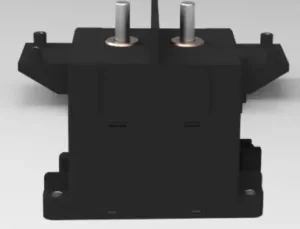
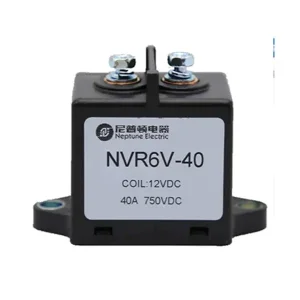
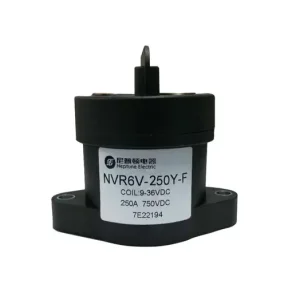
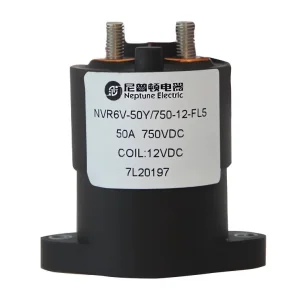
High-voltage DC relays are safety-critical interfaces that ensure safe operational cycles and prompt system isolation under electrical fault conditions. Unlike alternating current (AC), where periodic zero-crossings naturally suppress electrical arcs, continuous DC current paths require specialized arc-extinguishing mechanisms to prevent devastating contact erosion and potential system failures. Global tier-1 systems integrators and engineering firms now demand customizable ODM (Original Design Manufacturer) and OEM partners who can deliver robust, application-tested components that offer consistent performance over decades.
An engineering team evaluating an ODM partner's reliability needs to look closely at the interior physics of the relay housing. Our technical design approaches the challenges of high-voltage DC arcs through three core engineering frameworks:
To rapidly cool and extinguish high-energy arcs, our relays use a pressurized hermetically sealed chamber filled with high-thermal-conductivity gases, typically a specialized blend of Hydrogen (H₂) and Nitrogen (N₂). This combination accelerates the dissipation of plasma arcs during contact separation.
Permanent magnets are positioned strategically near the contacts to generate a strong magnetic field. This field produces a Lorentz force that stretches the electrical arc away from the contact surfaces and into cooling fins, reducing contact material transfer and preventing contact welding.
Using high-purity silver-based alloys (such as AgSnO₂ or AgNi) helps prevent localized thermal hot spots. The formulation is optimized to minimize contact resistance, keep temperatures low, and maintain stable contact behavior over thousands of electrical make-and-break operations.
| Relay Topology Class | Arc Extinguishing Medium | Contact Life Expectancy (Cycles) | Optimal Application Scenarios |
|---|---|---|---|
| Standard Gas-Filled HVDC Relays | H₂ / N₂ Gas Mix (Pressurized) | 100,000+ (Electrical) | Electric Vehicle Battery Packs, PDU, Auxiliary Systems |
| Magnetic Blowout Extended-Life Series | Dry Air / Gas Mix + NdFeB Magnets | 200,000+ (Electrical) | Fast Charging Stations, Industrial DC Converters |
| Vacuum Hermetically Sealed Relays | High Vacuum (< 10⁻⁴ Pa) | 300,000+ (Electrical) | Renewable Energy Microgrids, Marine Battery Storage |
Different regions and industries have distinct operating parameters, environmental pressures, and safety standards. Our high-voltage DC relays are engineered to meet these localized demands, offering reliable performance under a wide variety of field conditions:
In electric vehicles, relays manage battery isolation and pre-charge paths. Our designs are optimized to withstand high vibration, mechanical shock, and wide ambient temperature ranges (-40°C to +85°C), while preventing main contact fusion during sudden short-circuit faults.
Large-scale battery energy storage systems (BESS) experience continuous thermal cycling and must manage high fault currents. Our high-current DC relays protect battery modules from over-current damage, helping operator assets achieve their target 15-to-20-year lifespans.
Modern commercial solar setups operate at high DC voltages to reduce line losses. Our relays isolate solar strings during maintenance or emergencies, providing high dielectric isolation barriers to ensure personnel safety.
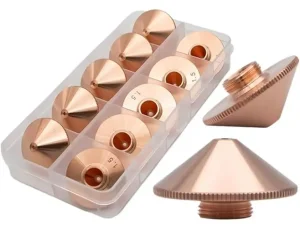
Established in 2010 in the Qingbaijiang District of Chengdu, Chengdu Suchen Environmental Protection Materials Co., Ltd. has grown over 14 years into a diversified group manufacturer. We specialize in three primary industrial business sectors: plasma cutting and welding consumables, laser cutting and welding consumables, and high-voltage DC relays.
Focusing on the international market, we design and manufacture high-performance components for demanding industrial and manufacturing sectors worldwide. We are proud to serve several Fortune 500 companies and have built a reputation for reliable delivery, product longevity, and robust technical support.
Our corporate philosophy is rooted in "green sustainable development." In our design, material sourcing, and manufacturing phases, we utilize environmentally friendly materials and advanced processes. Our goal is to ensure all finished products comply with international environmental criteria, helping our global clients achieve their own green production objectives.
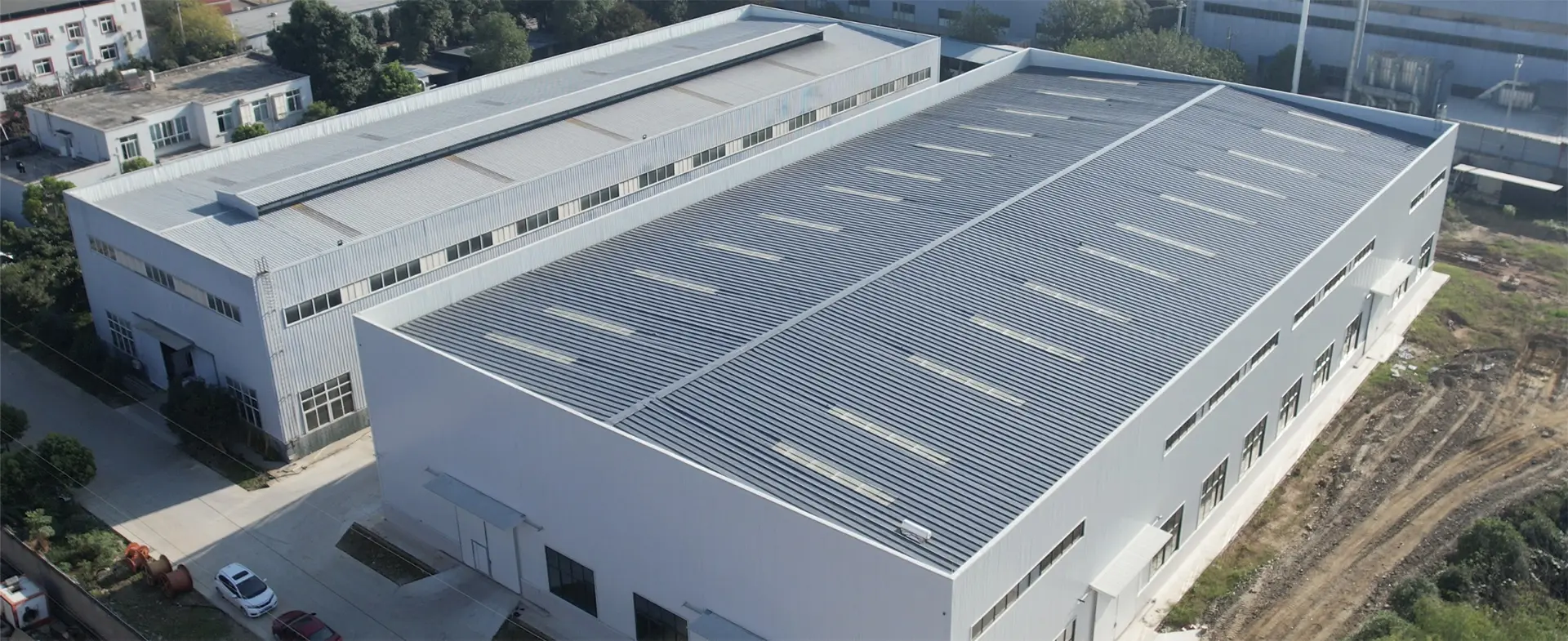
Industrial buyers prioritize reliability, manufacturing consistency, and predictable lead times. Suchen's manufacturing facility in the Qingbaijiang District of Chengdu offers structural logistics and supply chain advantages that directly benefit our international clients:
Our proximity to the Chengdu International Railway Port allows us to utilize the China-Europe Railway Express network. For European clients, this rail routing reduces shipping times by 50% compared to traditional maritime transport, while lowering carbon footprints compared to air freight.
Sichuan province features a robust industrial cluster with direct access to copper, raw metals, and high-performance polymer supplies. This local supply chain reduces domestic material shipping delays, helping us stabilize component costs during global market volatility.
We employ automated coil-winding, laser welding, and helium mass spectrometer leak detection systems. Automation minimizes human error in sealing critical gas chambers, ensuring every batch of relays meets high performance standards.

Our experience in three sectors—laser consumables, plasma cutting consumables, and high-voltage DC relays—creates valuable engineering synergies. The precision laser welding techniques we refine for our laser nozzles are directly applied to sealing our high-voltage DC relay gas chambers. Similarly, our research into thermal management for plasma cutting electrodes informs the thermal dissipation systems we design for our relay contacts.
This cross-disciplinary engineering approach allows us to deliver high-quality, long-lifespan components that help our clients optimize their operations.
Quality control is central to our manufacturing process. Every high-voltage DC relay undergoes a multi-stage testing protocol before leaving the factory. Our testing routine includes:
We test dielectric breakdown limits across open contacts to ensure they can handle high voltage spikes without leakage.
We use high-sensitivity helium mass spectrometers to inspect every sealed chamber, ensuring the gas mixture remains intact over the relay's operating life.
We measure contact resistance under load to verify that thermal losses remain within specified tolerances, preventing localized overheating.
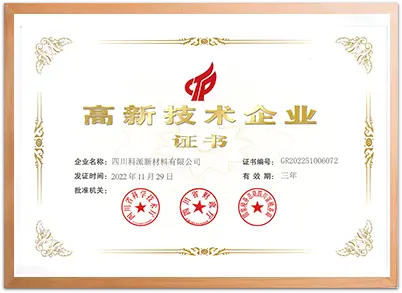
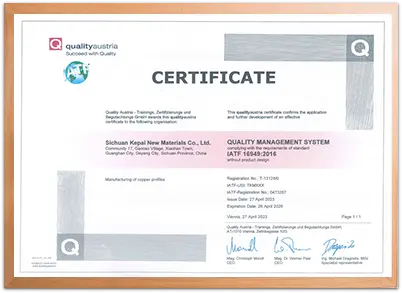
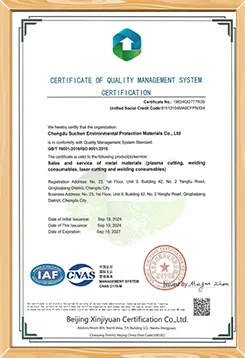
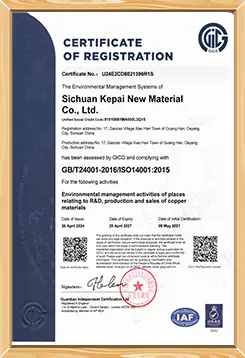
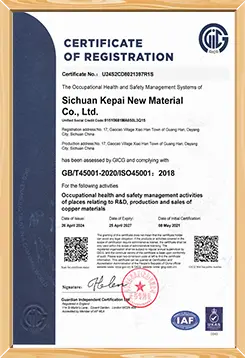
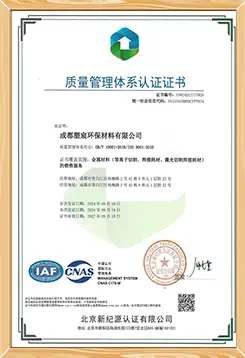
Our factory processes and products meet rigorous international standards for safety, performance, and environmental sustainability:


As system voltages continue to rise in solar, battery, and automotive applications, Suchen's engineering team is developing new switching technologies to meet these future demands:
We are working to combine the high galvanic isolation of electromechanical contacts with the fast response times and wear-free switching of semiconductor solid-state systems.
We are designing built-in sensors for real-time contact temperature, resistance, and wear tracking. This enables predictive maintenance data to be shared directly with the system controller.
In line with our focus on sustainability, we are researching alternative, non-toxic gas mixtures that maintain excellent arc-suppression performance with minimal environmental impact.
 SUCHEN