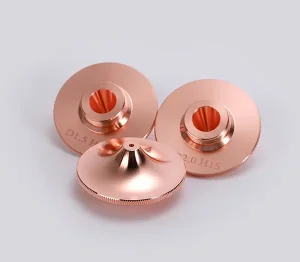
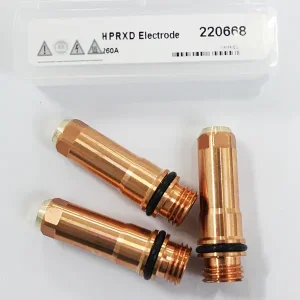
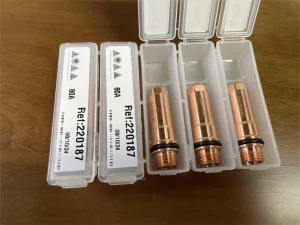
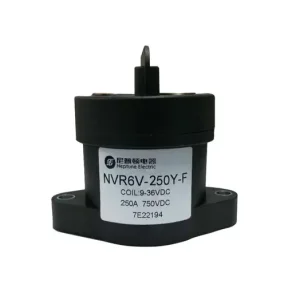
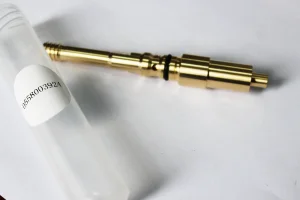
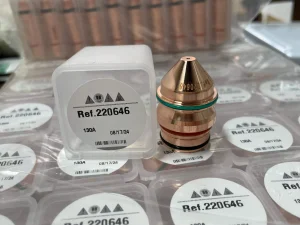
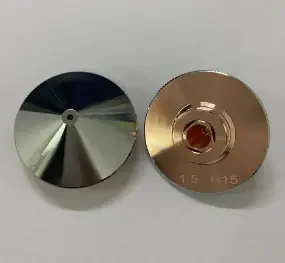
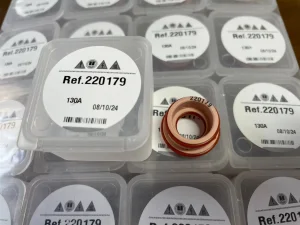
Direct factory integration delivering certified high-precision parts designed for demanding industrial operations.
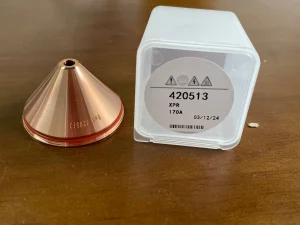
In high-precision plasma arc cutting systems, specifically those utilizing Hypertherm high-definition designs, the Retaining Cap operates as a critical structural and thermodynamic interface. Far from a simple mechanical fastener, it is engineered to construct and maintain the precise alignment of the internal electrode, swirl ring, and nozzle stack. By holding these critical parts in place, it ensures an absolute coaxial alignment, which is the foundational variable controlling arc stability, shielding gas dynamics, and overall life expectancy of the consumables.
A precision-manufactured OEM-standard retaining cap performs several simultaneous functions. First, it establishes the pressurized path for the plasma and shield gases, channeling them under laminar conditions to avoid turbulence that can deflect the arc. Second, it facilitates optimal thermal dissipation away from the high-temperature zone near the nozzle tip. For this reason, high-precision machining, accurate material selection, and rigorous physical testing are required during production. Even sub-millimeter deviation in retaining cap concentricity can cause rapid nozzle deterioration, severe beveling of cut parts, and costly downtime in robotic or CNC manufacturing environments.
Industrial manufacturing centers globally—spanning North America, the European Union, and rapidly growing steel fabrication hubs in Southeast Asia—are facing intense pressure to reduce their Total Cost of Ownership (TCO) while sustaining round-the-clock production cycles. In high-duty cycle sectors such as shipbuilding, structural steel fabrication, agricultural machinery, and automotive chassis assembly, plasma cutting machines operate continuously. In this environment, the consumable supply chain represents a significant operational risk.
Global procurement directors are actively shifting away from single-source OEM models toward verified high-efficiency OEM-equivalent factories. Working with a dedicated manufacturing partner like Chengdu Suchen Co., Ltd. allows purchasing teams to reduce material costs by 30% to 50% without compromising on the tight tolerances needed for advanced torches. By verifying that every batch undergoes strict quality control—conforming precisely to Hypertherm's performance benchmarks—manufacturers can optimize their supply chain buffer, lower stockouts, and protect their automated machinery from unexpected failures.
Modern high-amp retaining caps are no longer simple metal rings. High-temperature composites and engineered engineering plastics (such as Vespel® or high-grade fiberglass-reinforced thermosets) are integrated to provide maximum electrical insulation. This prevents secondary arcing and protects the main torch body from destructive feedback currents.
With the release of high-amperage systems like the Hypertherm XPR300 and XPR400, retaining caps now feature complex internal water channels. These channels guide cooling water right to the edge of the shield cap, significantly extending the life of the consumable stack during continuous plate-piercing processes.
Using computational fluid dynamics (CFD), retaining cap designs are optimized to stabilize gas flow. They balance secondary shield pressure to constrict the plasma jet, ensuring the cleanest cut edge and reducing dross buildup on the bottom of the cut part.
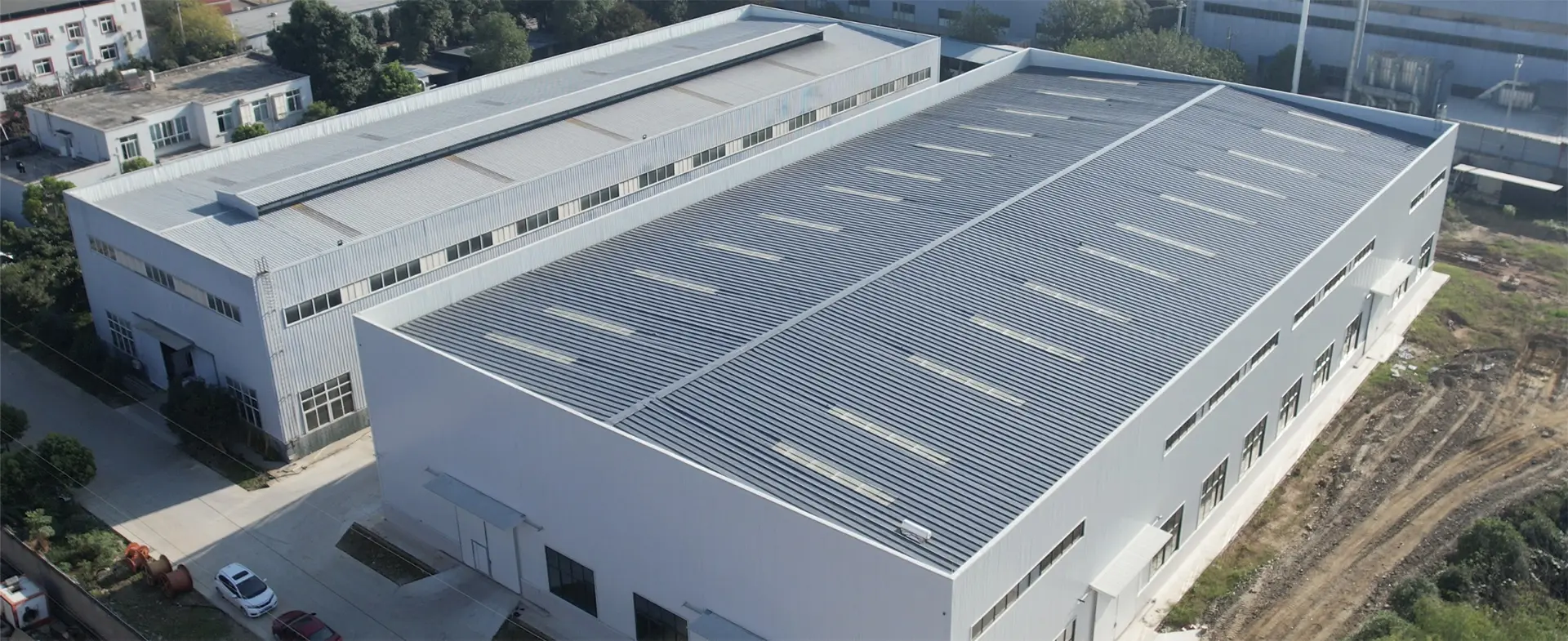
Founded in 2010 • Qingbaijiang District, Chengdu, China
Established in 2010, Chengdu Suchen Environmental Protection Materials Co., Ltd. has grown into a leading industrial developer. Operating out of the industrial Qingbaijiang District of Chengdu, the company manages three advanced business units: plasma cutting and welding consumables, laser cutting and welding systems, and high-voltage DC relays. With a primary focus on the international market, we supply high-performance parts to manufacturing facilities, metal service centers, and distributors worldwide.
Our business philosophy centers on "green sustainable development." In our design and production processes, we use eco-friendly materials and energy-efficient machining processes. This ensures all Suchen products comply with international environmental directives (such as RoHS and REACH), allowing our customers to achieve cleaner production. Our long-term partnerships with Fortune 500 enterprises demonstrate our reliability, quality, and technical expertise.
At Chengdu Suchen, our manufacturing facility adopts Industry 4.0 standards to improve supply chain resilience and deliver consistent precision. By combining multi-axis CNC machines, automated handling systems, and real-time environment controls, we keep machining tolerances within +/-0.01mm. This high level of precision is critical for the gas-delivery paths and threads of replacement retaining caps.
Our digital supply chain integration allows us to respond quickly to market changes and fluctuating shipping costs. By maintaining raw material stocks of high-grade copper alloys, aerospace-grade polymers, and high-purity insulating ceramics, we minimize raw material risks. For international buyers, this means reliable delivery schedules, consistent quality, and a stable supply of parts during global market disruptions.

 Our Vision
To become a globally recognized provider of environmental materials and key energy components, supporting the green transition of the manufacturing industry. We innovate continuously to serve several Fortune 500 companies with high-performance parts.
 Corporate Culture
Guided by "integrity, cooperation, and win-win." We build honest, long-term partnerships, encourage teamwork, and share knowledge to optimize manufacturing resources and achieve mutual success.
 Service Concept
We prioritize customer requirements. We work closely with our partners to support clean, efficient operations, offering engineering support and reliable shipping to keep global workshops running smoothly.
OEM-grade retaining caps are used in several demanding industrial environments, showing high durability and performance under harsh operating conditions:
In structural steel fabrication, where materials are often thick and cutting runs are long, maintaining arc consistency is vital. Our retaining caps resist dross adhesion and maintain dimensional stability under high temperatures, reducing bevel variations on critical weld preparations.
Shipbuilding involves corrosive salt air and high humidity. Suchen's specialized surface treatments and composite selections resist material corrosion, preventing oxidation from blocking critical gas-swirl holes.
Automotive components require high speed and repeatable accuracy. Our caps ensure the plasma arc remains focused and stable, allowing robotic cutting arms to perform rapid profiles with minimal edge deviation.
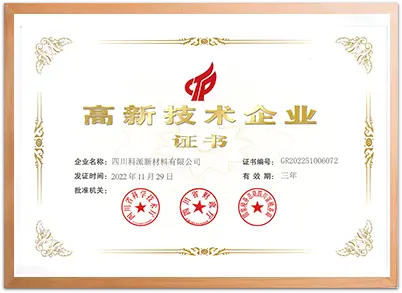
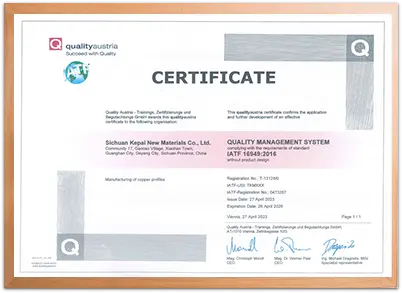
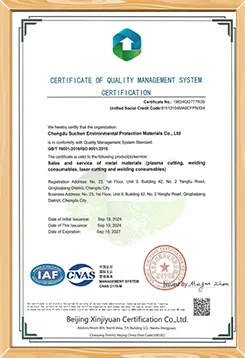
Our manufacturing systems and finished products comply with international standards, verifying our material selection, safety protocols, and operational quality control.

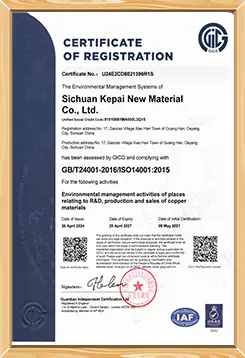
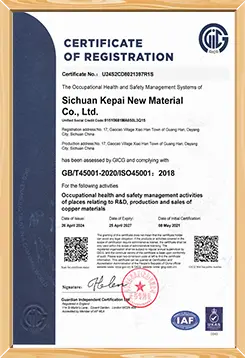
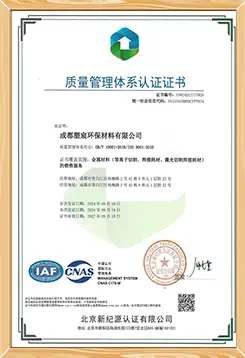

Detailed answers to common questions about plasma cutting retaining caps, troubleshooting, and maintenance.
Look for three main warning signs: visible wear or damage to the internal threads, cracks in the insulating composite body, and deformation of the gas exit holes. If the inner threads show damage, the nozzle may tilt, leading to uneven gas flow, severe beveling, and accelerated wear on the electrode and nozzle.
Yes, provided they are sourced from a verified factory utilizing modern CNC machinery and strict quality control. Chengdu Suchen's manufacturing processes reproduce the original dimensions, tolerances, and material properties, ensuring identical gas flow dynamics and structural fit at a lower operational cost.
The retaining cap secures and aligns the nozzle and electrode. If the cap is worn or loose, the nozzle can shift out of center. This misalignment causes the pilot arc to erode one side of the nozzle orifice, leading to a wider kerf, increased dross, and poor cut angularity.
The retaining cap must isolate the high-voltage electrode from the outer shield cap. High-grade composite materials prevent electrical shorts between these parts. Without proper electrical isolation, the arc could jump directly to the shield cap, destroying the consumables and potentially damaging the torch head.
Regularly inspect the cap for metal spatter buildup. Gently clean the surface with a non-abrasive pad to remove slag, and check that the gas ports remain clear. Never use harsh metal tools or files that could alter the cap's dimensions or scratch the gas distribution sealing surfaces.
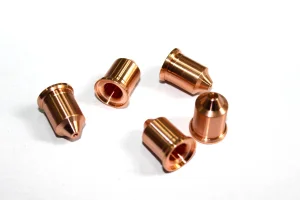
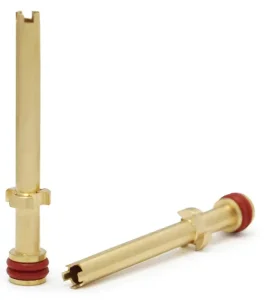
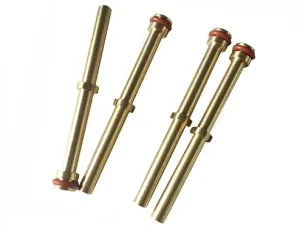
Expand your operational durability with our verified collection of electrodes, holders, nozzles, and swirl rings.
 SUCHEN