Explore our custom OEM & ODM compatible solutions designed for extreme durability and reduced downtime.
Established in 2010 in the heavy industrial Qingbaijiang District of Chengdu, China, Chengdu Suchen Environmental Protection Materials Co., Ltd. has developed into a multi-disciplinary manufacturing giant. Over the past 14 years, our engineering divisions have specialized in three critical high-tech industrial fields:
Our dedication to precision metallurgy and strict quality standards enables us to support global heavy machinery manufacturing, automated shipyards, new energy logistics systems, and precision fiber laser fabricators with high-durability consumables.
Explore Suchen Capabilities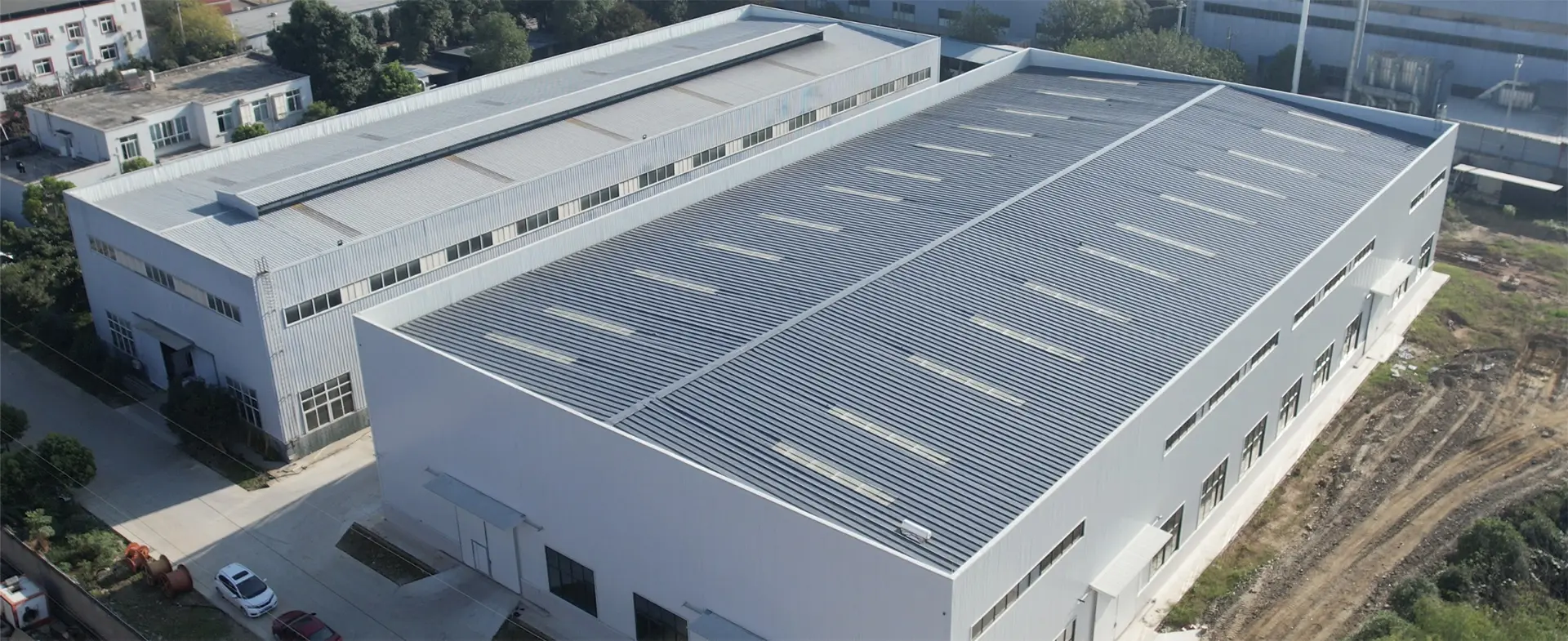
Analyzing the shifts in supply chains and the engineering demands for high-precision ESAB-compatible assemblies.
In the heavy-duty metal fabrication landscape, thermal cutting (specifically automated plasma arc cutting and high-power fiber laser cutting) serves as the primary gateway for production lines. The global demand for high-performance aftermarket consumables compatible with major systems like ESAB has escalated. Traditional fabricators no longer rely solely on basic replacement parts. Heavy industries now demand prolonged lifecycle reliability, consistent kerf profile quality, and lower total cost of ownership (TCO).
As automation and robotic cells take over structural steel and shipyard operations, manual intervention must be minimized. A standard CNC plasma table running at 200A to 400A operates under high thermal stress. The slightest variation in electrode erosion, silver-hafnium interface deterioration, or nozzle orifice deformation causes scrap parts. Consequently, modern factories require custom engineering partners who can modify gas swirl dynamics and metallurgical compositions to align with their specific material thicknesses and gas purity levels.
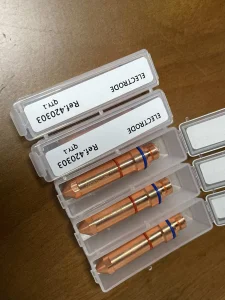
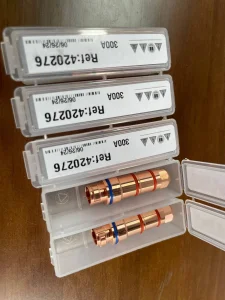
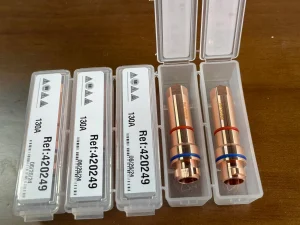
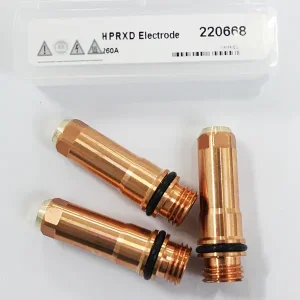
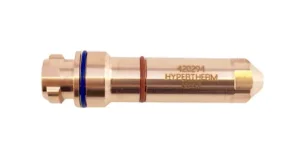
The performance of a plasma cutting electrode depends heavily on its core insert material—Hafnium. Operating under plasma arc core temperatures exceeding 10,000°C, the hafnium insert must withstand severe thermal shock while maintaining stable electron emission.
Chengdu Suchen Environmental Protection Materials Co., Ltd. adheres to a "green sustainable development" model. In the process of product research and development, we use environmentally friendly materials and advanced, low-emission processes.
By optimizing the wear life of our copper electrodes and high-voltage DC electromagnetic switches, we reduce metal waste by up to 30%. This helps our global manufacturing clients lower their environmental footprints while maintaining high cutting efficiency.

Detailed comparison showing why custom engineered solutions outlast standard aftermarket parts.
| Performance Indicator | Standard Aftermarket Competitors | OEM Standard Specifications | Suchen Custom Engineered Series |
|---|---|---|---|
| Concentricity Tolerance | ±0.05 mm | ±0.01 mm | ±0.005 mm (Swiss CNC Precision) |
| Hafnium Insert Bonding Method | Mechanical Press-Fit | Standard Silver-Copper Interface | Vacuum Co-Extrusion & Diffusion Bonding |
| Electrode Operating Temp | Higher than 320°C | Approx. 260°C | Below 220°C (Optimized Water-Cooling) |
| Average Arc Starts (Standard Cycle) | 150 - 200 cycles | 400 - 450 cycles | 550 - 650 cycles (Enhanced Metallurgy) |
| Environmental Certification | None | Standard Compliance | ISO 14001 Compliant, Lead-Free Alloys |
Our organizational pillars are structured around technical innovation, green chemistry, and client support.
To become a globally recognized supplier of environmental materials and new energy components, driving the green transformation of the global manufacturing industry. We enhance product performance to serve multiple Fortune 500 companies, receiving consistent praise from our global clients.
Advocating "integrity, cooperation, and win-win." We treat clients and partners with transparency to establish long-term relationships. We encourage teamwork, using mutual knowledge sharing to optimize resources and create shared value.
Operating under a "customer first" philosophy. We support green initiatives and provide technical assistance to ensure our components fit seamlessly into your existing production processes.
How Chengdu Suchen consumables perform under heavy duty cycles across global industrial sectors.
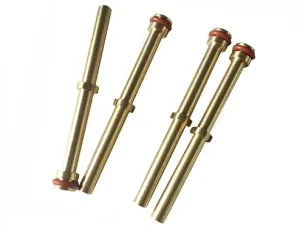
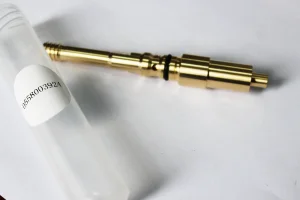
Thick structural steel plates require high-amperage plasma cutting (typically 200A to 400A). Suchen's specialized water cooling tubes and high-performance electrodes manage excessive thermal loads, maintaining high cutting speeds in marine environments.
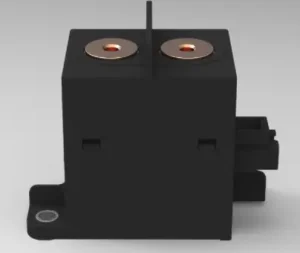
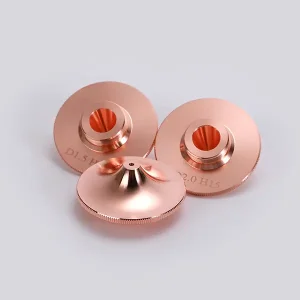
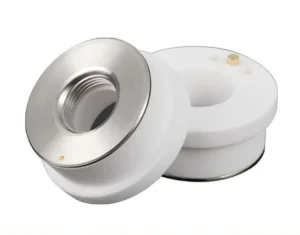
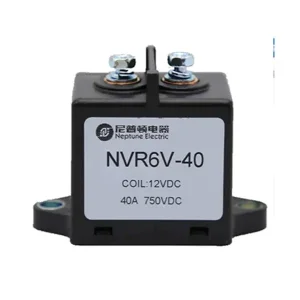
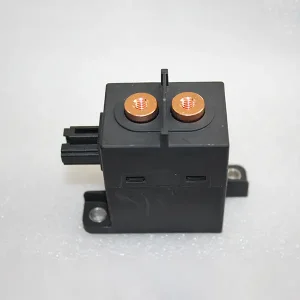
In the EV space, Suchen's High-Voltage DC relays (e.g., NVR6V-250C) provide safe electrical isolation. In addition, our high-precision laser cutting nozzles ensure exact, dross-free edge finishes on light-weight aluminum and steel components.
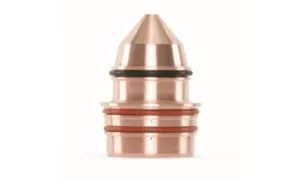
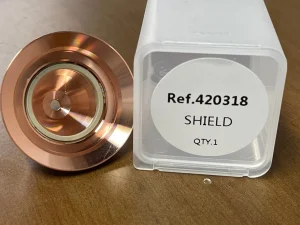
Fabricating thick structural plates requires consistent bevel angles to ensure strong weld joints. Using Suchen's ultra-concentric nozzles and wear-resistant shields prevents arc deviation and reduces the need for secondary grinding.
Suchen's custom HVDC electromagnetic relays isolate and protect high-voltage battery storage installations and DC fast-charging terminals, ensuring safe operation under heavy current loads.

To address the demands of next-generation automated metal fabrication, Suchen is actively developing advanced materials and cooling designs:
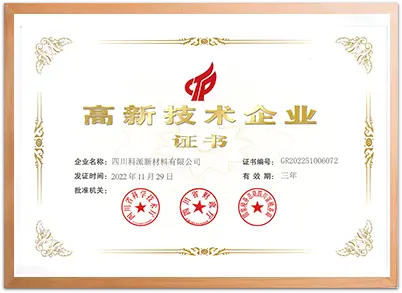
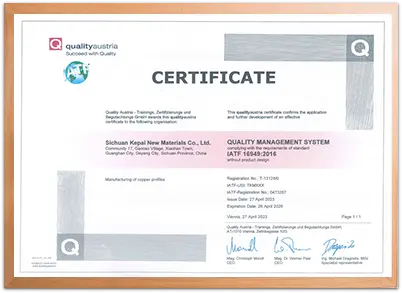
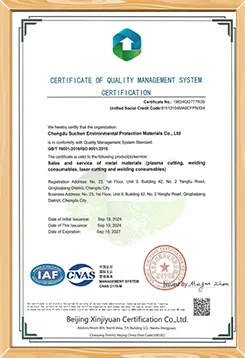
Our manufacturing processes are certified to international standards, ensuring consistent quality and performance.
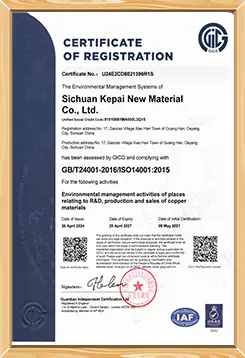
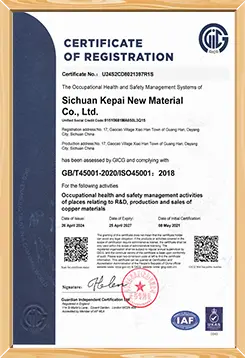
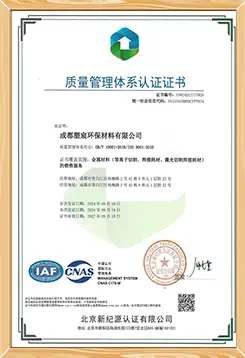

Answering common questions on thermal cutting consumables, metallurgy, and HVDC system integrations.
Complete your tooling systems with our custom manufactured high-voltage relays, electrodes, and ceramic assemblies.
 SUCHEN