 SUCHEN
1 / 1
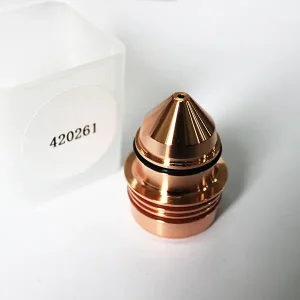
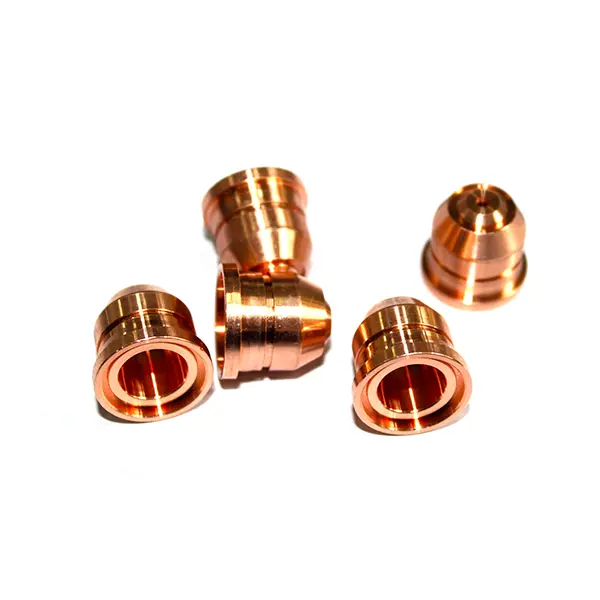
Plasma cutting is to guide arc plasma to the surface of the workpiece and use the high temperature and high energy of the plasma to complete cutting, perforation and other processing processes. The nozzle is a device used to guide and control the plasma gas flow.
It's usually made of wear-resistant and high-temperature-resistant materials, such as copper, copper alloys or ceramics. They have suitably shaped nozzles to facilitate the injection and concentration of plasma gas.
Different plasma cutting machine models and manufacturers may use different nozzle designs, which can be roughly divided into two categories: jet type and focused type. Jet-type nozzles are suitable for large-area cutting and mass production, with high jet speed and wide cutting width; focused-type nozzles are suitable for fine cutting and high-precision processing, with smaller cutting width and more concentrated jet flow.
One of the main advantages of the plasma nozzle is its versatility. It can be used for a wide range of applications, including cutting, welding, and brazing. This makes it an indispensable tool for a variety of industries, including automotive, aerospace, and manufacturing.
Another advantage of the plasma nozzle is its efficiency. This tool is designed to operate at high speeds and with great precision, which means it can produce a clean and accurate cut or weld in a fraction of the time it would take with other tools. This not only saves time but also increases productivity and reduces waste.
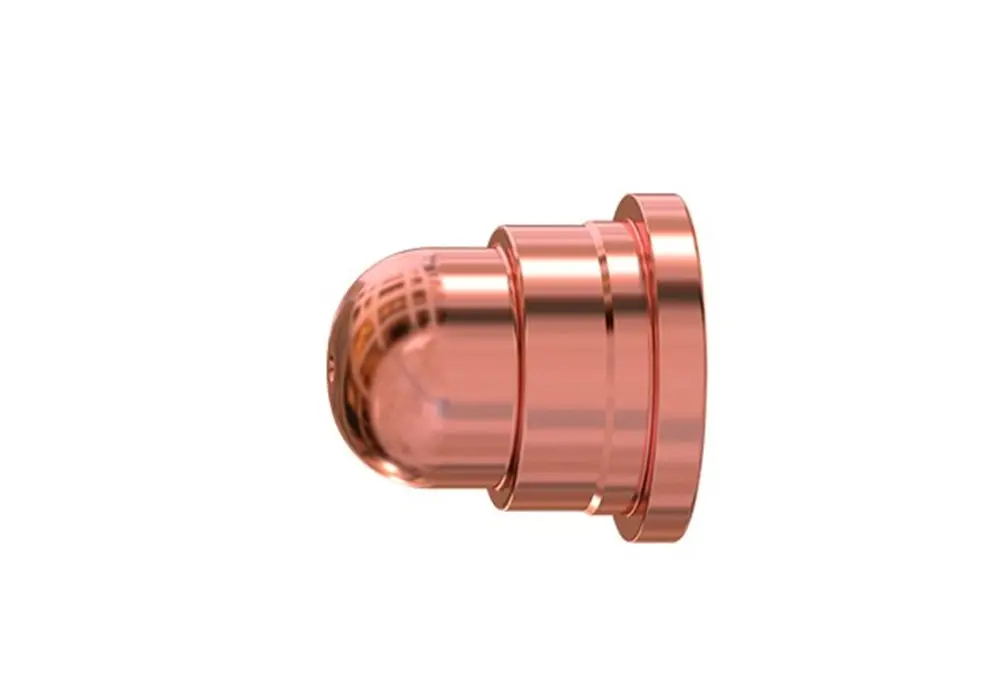
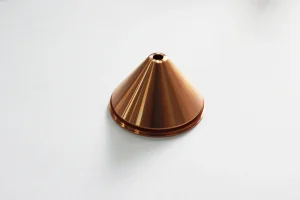
The nozzle is a device used to guide and control the plasma gas flow. It focuses the arc by funneling gas flow to facilitate the injection and concentration of plasma gas.
They are typically made of wear-resistant and high-temperature-resistant materials, such as copper, copper alloys, or ceramics.
Nozzle designs can be divided into jet type (suitable for large-area cutting with high speed and wide width) and focused type (suitable for fine, high-precision processing with a smaller width and concentrated flow).
The key advantages are versatility (it is used for cutting, welding, and brazing across automotive, aerospace, and manufacturing fields) and efficiency (operating at high speeds with great precision to save time and reduce waste).
You should change your nozzle whenever you see notching, an orifice that isn't round, or rounded edges during your regular inspection.
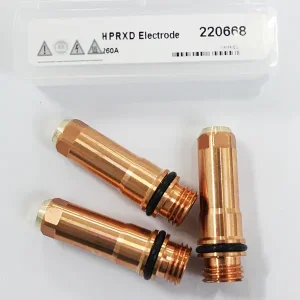
It is recommended that when a nozzle wears out, the electrode is replaced, and when an electrode is replaced, the nozzle should also be replaced to keep cuts consistent and precise.