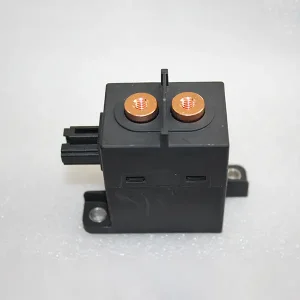
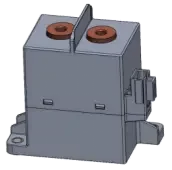
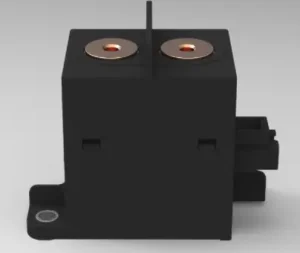

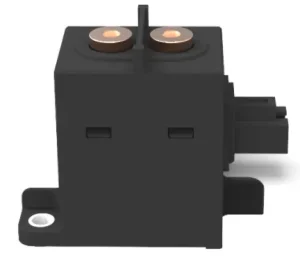
The global transition to high-voltage architectures—accelerated by fast-charging Electric Vehicles (EVs) running at 800V to 1000V, utility-scale Battery Energy Storage Systems (BESS), and decentralized photovoltaic networks—has radically transformed the requirements for power circuit protection. At the core of these high-voltage infrastructures lies the High-Voltage Direct Current (HVDC) Relay, a crucial safety and control mechanism engineered to isolate and break enormous DC circuits safely under load.
As a leading Chinese industrial engineering collective, Chengdu Suchen Environmental Protection Materials Co., Ltd. has optimized production pathways to deliver world-class ODM HVDC relays that match strict European and North American reliability benchmarks. In this comprehensive guide, we dissect the core materials science, manufacturing dynamics, and strict certifications required for reliable deployment of high-voltage DC protection systems.
Unlike alternating current (AC) power distribution systems, which naturally cross a "zero voltage" point twice per cycle, direct current (DC) arcs do not naturally extinguish. When contacts open under load, a high-voltage plasma arc is formed across the separating gap. Unless suppressed, this arc will persist, generating temperatures in excess of 5,000K, vaporizing copper contacts, and inducing catastrophic failures.
To tackle this challenge, China factories employ advanced design methods:
The global dominance of Chinese high-voltage DC relay manufacturing lies in localized raw materials integration. Over 85% of critical raw components—including high-purity copper, ceramic matrices, silver-nickel alloys, and rare-earth neodymium permanent magnets—are sourced, processed, and assembled within domestic economic clusters. This integration minimizes shipping overheads and shields production timelines from global geopolitical disruptions.
Additionally, Chinese production centers leverage high-volume automation lines utilizing optical inspection systems, robotic coil winders, and vacuum brazing furnaces. This automation ensures high mechanical tolerances and repeatable quality across thousands of units, providing consistent quality and cost advantages.
When international procurement engineers evaluate ODM HVDC relay factories, key parameters determine viability:
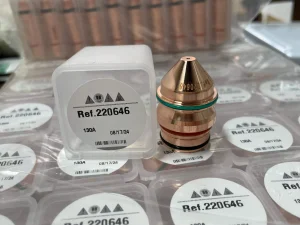
Established in 2010 and nestled within the strategic Qingbaijiang District of Chengdu, Chengdu Suchen Environmental Protection Materials Co., Ltd. is a diversified industrial manufacturer. We have built three pillars of technological excellence: plasma cutting and welding consumables, laser cutting and welding consumables, and our rapidly expanding new energy high-voltage DC (HVDC) relays line.
Our operation is geared towards international markets, ensuring that our products meet high global performance and compliance standards. From mechanical precision to materials science, Suchen works to build a greener, safer industrial landscape.
Learn More About Suchen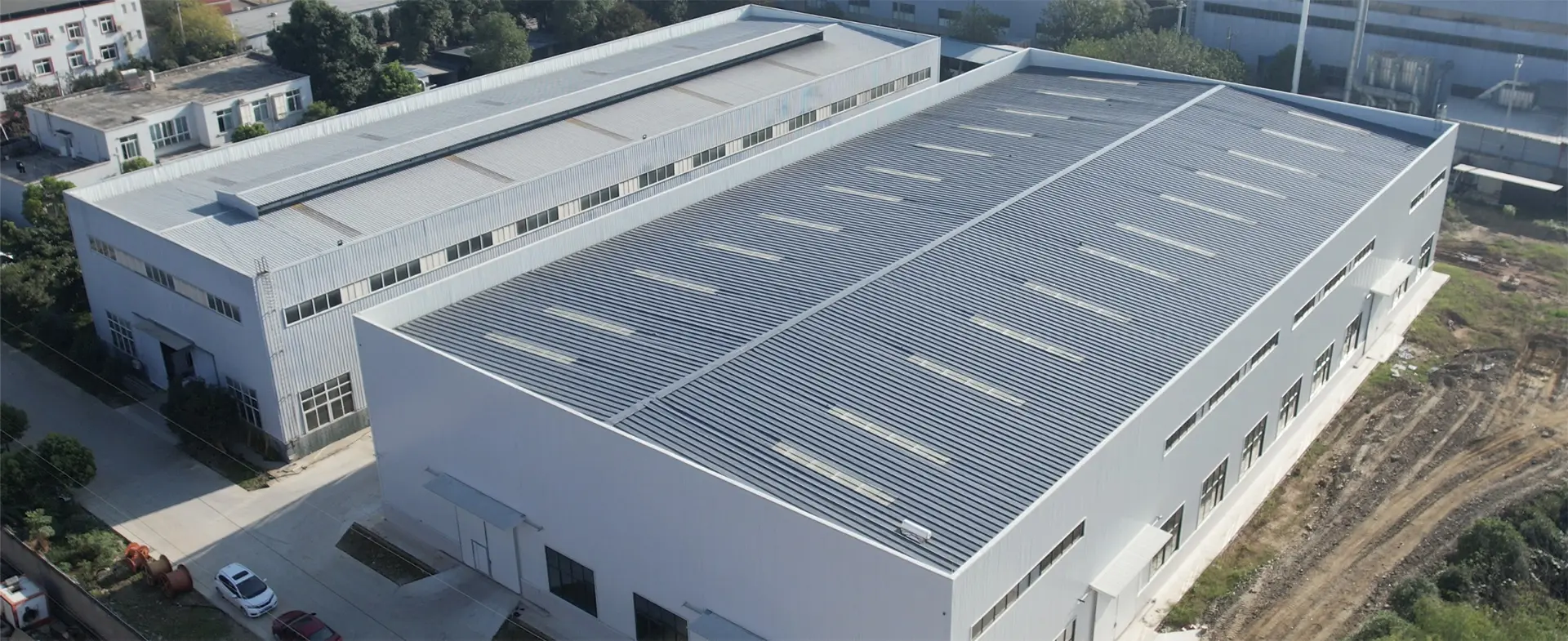

To become a globally recognized supplier of environmental materials and new energy components, driving the green transformation of the global manufacturing industry. We support multiple Fortune 500 enterprises with components that maintain system safety.

Suchen champions the core values of "integrity, cooperation, and win-win." We operate on transparent transaction structures, strict supply agreements, and shared technological progress to create mutual benefit for all stakeholders.

Upholding "customer first," we offer high-voltage engineering consulting, design reviews, electrical verification testing, and proactive logistics mapping. We partner with clients to streamline localized deployment.

As an industry leader, Chengdu Suchen Environmental Protection Materials Co., Ltd. integrates environmental sustainability with technical development. In our manufacturing and research, we use eco-friendly materials and energy-efficient processes to meet global green requirements, helping our customers achieve sustainable manufacturing.
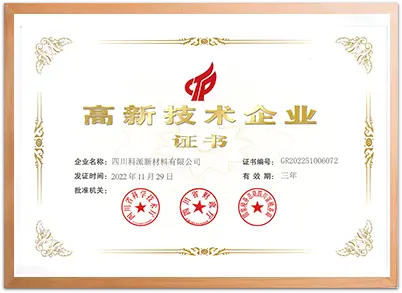
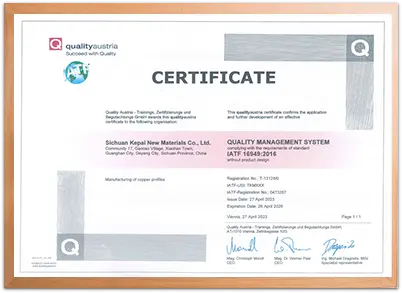
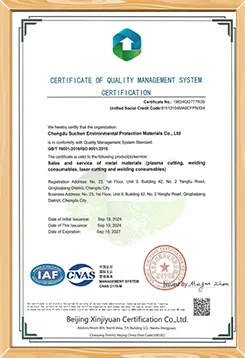
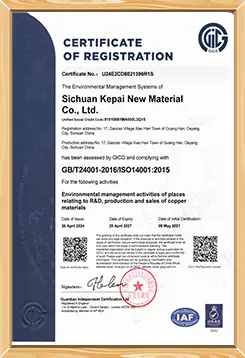
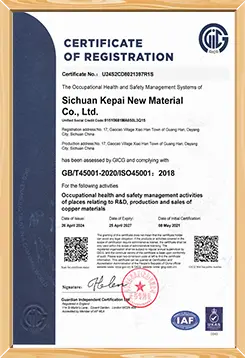
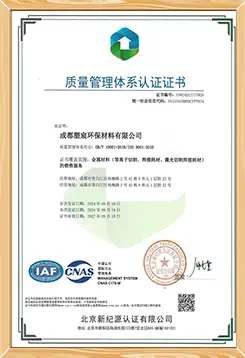
Our products and production processes undergo strict testing by international certification bodies. These credentials verify our compliance with global safety, environmental, and performance standards.


Used in commercial, industrial, and utility-scale containerized energy storage systems. Our relays act as the primary safety switch between battery stacks and power conversion systems (PCS).
Crucial components in 350kW+ liquid-cooled fast chargers, safely managing fast connection and isolation for EV batteries during the high-current charging phase.
Installed in utility central solar inverters and balance-of-plant distribution panels to isolate high-voltage solar strings during maintenance or systemic grid faults.
High-pressure hydrogen-nitrogen gas blends are used because hydrogen has high thermal conductivity. It transfers heat away from the electrical arc rapidly when contacts part. This gas helps cool the plasma arc, preventing contact erosion and keeping the break action clean and swift.
Relays require a strong initial inrush current to close the spring-loaded contacts. Once closed, the current needed to keep them in place (holding current) is much lower. A coil economizer switches the coil supply from high pull-in power to lower holding power, reducing thermal stress on the relay and saving system energy.
Contact resistance (typically measured under 0.3 milliohms) determines how much energy is dissipated as heat at the contact junction when carrying high currents. Low contact resistance is vital to prevent thermal runaway, keep local temperatures down, and ensure long term performance in systems handling 100A to 400A continuous currents.
Polarized relays use permanent magnetic blowouts to drive the arc in a specific direction. They require DC current to flow in one direction to function correctly. Non-polarized designs can break current in both directions, making them suitable for systems with bidirectional current flow, such as battery charging and discharging systems.
IATF 16949 is the global quality management system standard for the automotive industry. It requires strict process control, failure mode and effects analysis (FMEA), and complete component traceability. It ensures that relays intended for electric vehicles meet automotive-grade safety and reliability requirements.

 SUCHEN