Discover our leading selection of high-durability plasma cutting and laser processing consumables designed for continuous industrial operations.
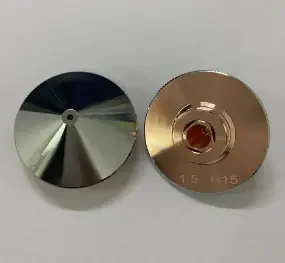
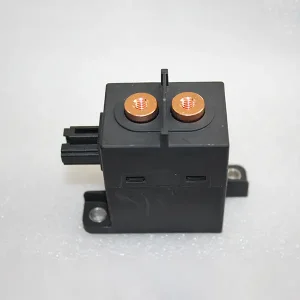
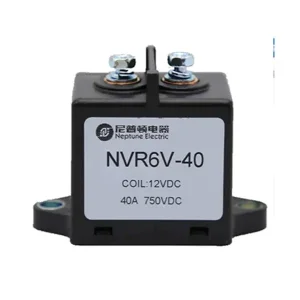
Understanding the physics of plasma arc stability and why consumable quality defines metal fabrication efficiency.
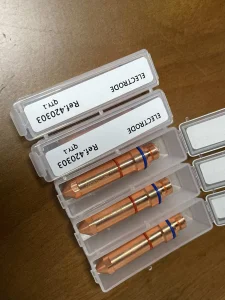
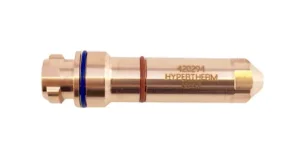
In the realm of advanced thermal cutting, the OEM 420303 electrode serves as the focal point of energy transfer. Operating within current thresholds of 40A, 60A, and 80A, this consumable is engineered to withstand extreme thermal stress, violent gas dynamics, and high-frequency electrical ignition cycles. For global steel fabricators, shipbuilding yards, and automotive assemblers, the reliability of the plasma torch depends almost entirely on the metallurgical structural integrity of this electrode.
A plasma cutting system relies on a compressed gas—such as air, nitrogen, oxygen, or argon-hydrogen mixtures—being ionized into a high-temperature plasma state. This process requires a steady electrical pathway between the electrode (cathode) and the workpiece (anode). The 420303 electrode is specifically configured to guide this pilot arc, constrict the plasma jet, and sustain high-density energy currents without premature thermal degradation. When sourcing these consumables, procurement managers must evaluate factors beyond upfront costs, analyzing the Total Cost of Ownership (TCO) governed by arc lifetime, kerf quality, and cut precision.
The science of high-purity tellurium copper bodies and precision-embedded hafnium cores.
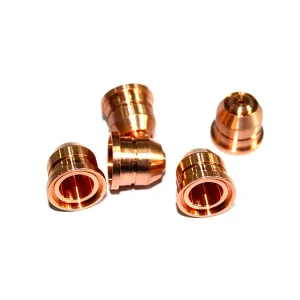
The performance of the 420303 electrode lies in its material composition and manufacturing precision. A high-quality electrode consists of two primary elements: the copper body and the emissive insert. The body is typically machined from premium-grade Tellurium Copper (C14500) or similar alloys. This material provides exceptional thermal and electrical conductivity, which is vital for rapidly dissipating heat away from the torch head. If the heat is not dissipated efficiently, the electrode body will soften, leading to gas flow disruptions and catastrophic torch failure.
Embedded at the tip of the electrode is the emissive element, which, for plasma cutting systems handling non-ferrous and carbon steels, is made from high-purity Hafnium (Hf). Hafnium has a high melting point and a low work function, meaning it easily emits electrons when subjected to high electrical fields. During operation, the hafnium insert melts at its center, forming a molten pool that stabilizes the electric arc. The manufacturing process must ensure a void-free mechanical and thermal bond between the hafnium wire and the surrounding copper body. Even microscopic air gaps can lead to localized thermal resistance, causing the hafnium to eject prematurely, commonly referred to as "blowout."
The 420303 electrode is designed to cover a versatile range of cutting currents. Each level corresponds to different plate thicknesses and cutting speeds:
How regional manufacturing centers depend on high-quality consumables for global supply chain stability.
Across the globe, the industrial demand for plasma cutting consumables is expanding. According to recent market reports on manufacturing equipment, the metal fabrication industry is experiencing a transition towards automation. Automated CNC plasma tables operating 24/7 require highly consistent consumables. In North America and Europe, heavy machinery manufacturers, transport equipment builders, and structural engineering firms run automated lines where downtime is measured in thousands of dollars per minute. In these regions, a faulty batch of electrodes can cause production backlogs and compromise supply chain schedules.
In the Asia-Pacific region, rapid infrastructure development and shipbuilding projects demand high-current plasma systems. The 420303 electrode is highly sought after by heavy engineering projects across Southeast Asia and India. Because these projects often operate in harsh environments—characterized by high humidity, temperature fluctuations, and variable power grid qualities—the consumables must have a built-in safety margin. Premium OEM-grade 420303 electrodes offer this reliability, showing resilient performance even under sub-optimal operating conditions.
| Current (Amps) | Typical Plate Thickness (Carbon Steel) | Recommended Plasma Gas | Key Industrial Applications |
|---|---|---|---|
| 40A | 1.0 mm – 4.0 mm | Compressed Air / Nitrogen | HVAC Ducting, Automotive Body Repair, Precision Sheet Metal |
| 60A | 3.0 mm – 10.0 mm | Air / Oxygen | Agricultural Equipment Manufacturing, Tank Fabrication, Railcar Repair |
| 80A | 8.0 mm – 20.0 mm | Oxygen / Nitrogen / Air | Shipbuilding, Heavy Structural Steel Frames, Pressure Vessel Construction |
Connecting high-performance manufacturing with green sustainable business models.
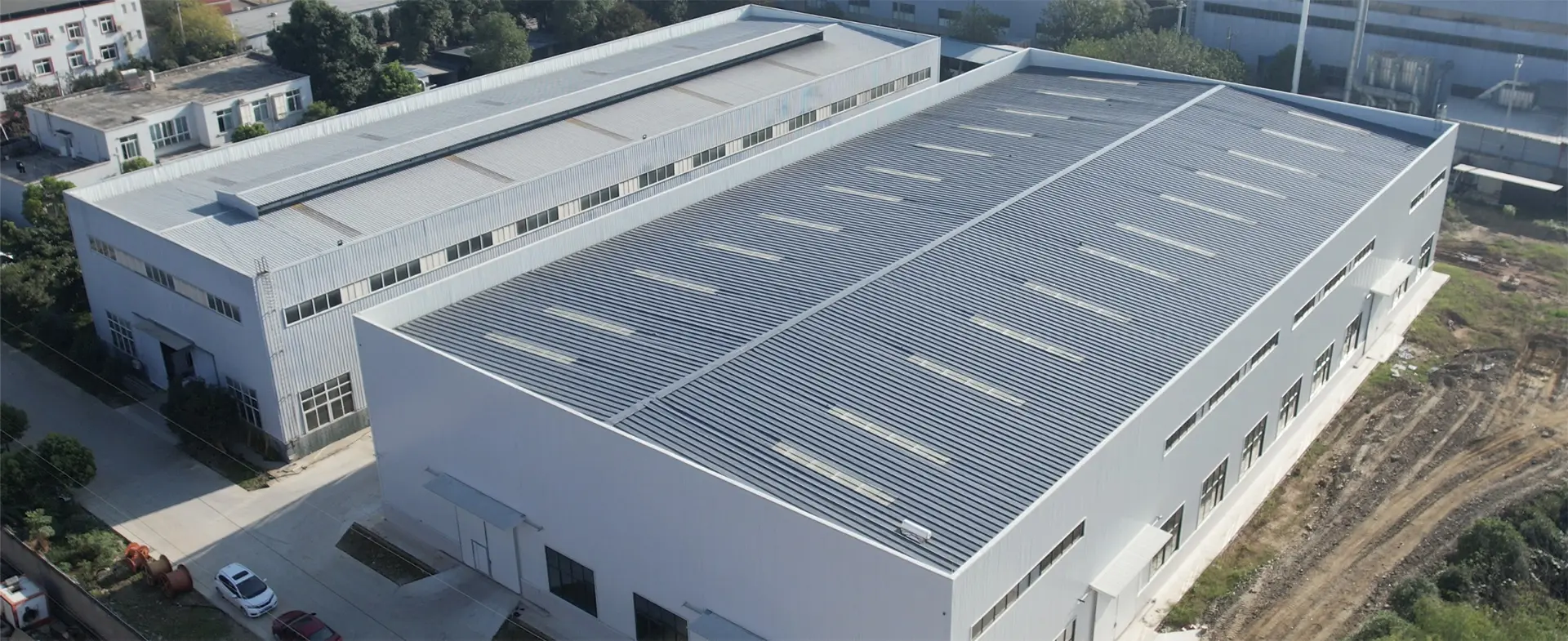
Established in 2010 and located in the Qingbaijiang District of Chengdu, China, Chengdu Suchen Environmental Protection Materials Co., Ltd. has grown into a diversified group company. Over the past 14 years, we have built a reputation as a trusted partner in three main business sectors: plasma cutting and welding consumables, laser cutting and welding consumables, and high-voltage DC relays. Our primary focus is serving the international market, providing high-performance products and quality services to global customers across various industrial and manufacturing sectors.
By leveraging advanced logistics, high-precision manufacturing, and robust quality control, Suchen delivers components that meet or exceed original equipment manufacturer specifications. We ensure that our global partners receive consistent, premium-grade items that help maintain production uptime and reduce operational costs.
Explore Our Consumables
As a player in the industrial manufacturing sector, Chengdu Suchen Environmental Protection Materials Co., Ltd. adheres to the concept of "green sustainable development." We understand that industrial efficiency should not come at the expense of environmental health. Throughout our research, development, and manufacturing stages, we use eco-friendly materials and energy-efficient processes to ensure that our operations align with international environmental standards.
We work to help our clients achieve green production goals by minimizing hazardous materials in our manufacturing chain. We believe that long-term success in the global market is built on sustainable practices, responsible material sourcing, and clean production technologies.
 Our Vision
To become a globally recognized supplier of environmental materials and new energy components, driving the green transformation of the global manufacturing industry through continuous innovation.
 Corporate Culture
We advocate "integrity, cooperation, and win-win." Integrity is our cornerstone, teamwork is our driver, and creating mutual value with our partners is our goal.
 Service Concept
Upholding a "customer-first" philosophy, we are dedicated to helping our clients streamline their manufacturing processes with highly reliable, long-lasting products.
The technical factors that allow Chinese factories to deliver high-precision products at scale.
China's manufacturing sector has transitioned from large-scale assembly to high-precision engineering. The production of complex plasma cutting consumables, such as the 420303 electrode, benefits from this industrial ecosystem. Chengdu Suchen leverages this regional infrastructure to maintain high product quality while optimizing production costs.
Several key factors drive the efficiency and quality of our manufacturing process in China:
This manufacturing ecosystem allows Chengdu Suchen to provide high-quality consumables that offer an alternative to high-cost OEM brand names, helping global buyers optimize their supply chains.
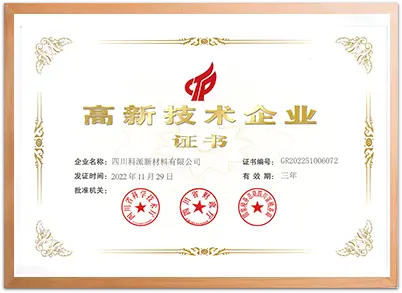
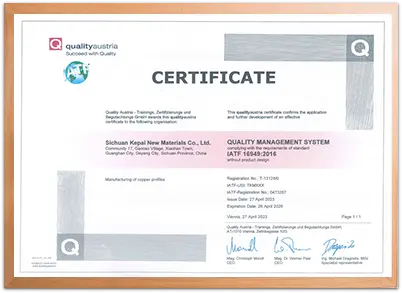
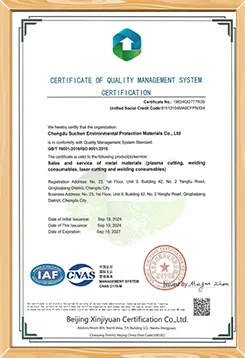
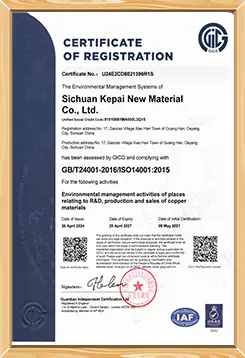
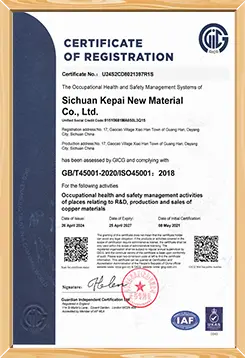
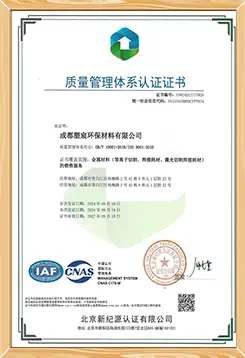
Our commitment to international quality and safety standards is verified by authoritative certification bodies.


The convergence of IoT, predictive maintenance, and next-generation power electronics in modern cutting systems.
The plasma cutting industry is undergoing a digital transformation. One key trend is the integration of smart sensors and IoT connectivity in modern power sources. CNC machines can now monitor parameters such as arc voltage variations, pilot arc ignition times, and gas pressure in real-time. By tracking these variables, the control system can forecast when an electrode is reaching its wear limit, alerting operators to replace it before it fails and damages the torch head. The 420303 electrode plays a role in this system, as its predictable wear profile allows the software to accurately calculate remaining life.
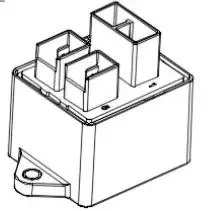
Another notable trend is the shift toward green cutting practices. Inverter-based plasma power supplies are replacing older, energy-intensive transformer designs. These systems require high-precision power switching components, such as high-voltage DC electromagnetic relays. By integrating advanced relays, systems can manage the high currents needed for arc initiation and cutting with lower power consumption. This synergy between plasma cutting consumables and advanced relay technologies aligns with Chengdu Suchen's dual focus on high-durability electrodes and new energy DC relays.
Key metrics for managing supply risk, assessing consumable quality, and optimizing total cost of ownership.
For B2B procurement managers, purchasing plasma consumables involves evaluating supplier capability, logistics reliability, and product quality. Here are the core factors to consider:
Technical answers to help you optimize the performance and lifetime of your plasma consumables.
Select from our range of high-performance replacement parts for plasma systems, laser cutting equipment, and power control relays.
 SUCHEN