Premium plasma cutting and laser consumables engineered to exact specifications.
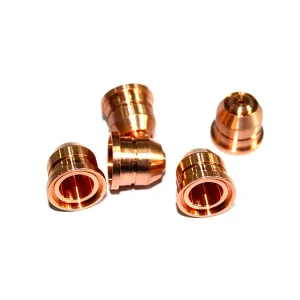
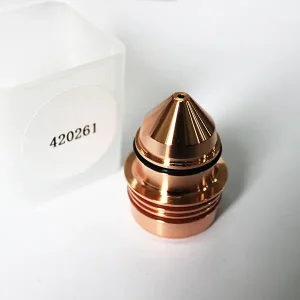
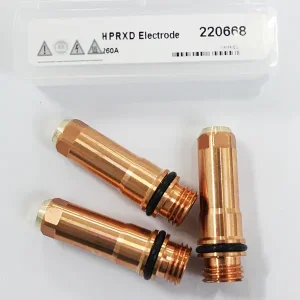
Within high-amperage CNC plasma cutting systems, the electrode plays a critical role in generating and sustaining the high-velocity plasma jet. An electrode is not simply a machined copper part; it is a highly engineered thermodynamic component. It functions as the electrical terminal for the pilot and main cutting arcs, channeling current densities that frequently exceed 30,000 Amperes per square inch.
At the center of every professional-grade plasma electrode is the emitter insert, typically composed of hafnium for oxygen-based cutting (used for carbon steel) or tungsten for nitrogen/argon-hydrogen processes (used for stainless steel and non-ferrous metals). Hafnium possesses a very low work function, allowing it to emit electrons readily when heated. However, during operation, the hafnium tip reaches temperatures upwards of 3,000°C, causing it to melt and crater. Managing this wear is the principal engineering challenge for OEM manufacturers.
To prevent premature burnouts, our advanced manufacturing processes utilize a proprietary solid-state cold welding technique. This ensures direct contact between the hafnium insert and the surrounding Oxygen-Free High Conductivity (OFHC) copper body, maximizing thermal conductivity and preventing air gaps that trigger early catastrophic failure.
High-current applications (exceeding 200A) require liquid cooling. We incorporate deep-hole gun-drilling and computerized concentricity checking to verify that water flow wraps symmetrically around the electrode core, eliminating thermal gradients that cause uneven erosion and erratic arc shapes.
The internal dimensions and mechanical tolerances of the electrode are engineered down to ±0.005mm. This extreme precision ensures that gas swirl distributions inside the torch head remain laminar, extending nozzle life and minimizing the formation of dross on the workpiece.
Data-driven outcomes proving the E-E-A-T credentials of Suchen's production facilities.
For global procurement departments, evaluating replacement parts for systems like Hypertherm, Kjellberg, Esab, or Trumpf involves balancing cost-per-part against operational uptime. China has evolved from a basic outsourcing hub into an advanced material science capital. The Chengdu Qingbaijiang industrial corridor offers a highly integrated supply chain for metal alloying and precision CNC fabrication.
Our OEM manufacturing facility leverages several strategic advantages:
By sourcing premium hafnium directly from major domestic refining operations, we verify purity levels to ≥99.98%. Trace impurities in the emitter material, such as zirconium or iron, can cause rapid thermal cracking. Direct raw material sourcing eliminates supply chain variance.
Our facility houses high-efficiency, multi-spindle Swiss CNC turning centers and automated inspection systems. This reduces labor overhead while guaranteeing dimensional consistency over production runs of 100,000+ units.
Aligned with green development mandates, we integrate waste copper reclamation and vacuum extraction systems. This minimizes environmental impact, supports carbon neutrality initiatives, and protects the health of our workers.
The industrial cutting landscape is evolving rapidly. High-speed fiber lasers have gained market share, yet plasma cutting remains dominant for heavy structural plates ranging from 15mm to 100mm. The focus of plasma R&D has shifted toward reducing the cost-per-meter of cut. The primary technological advancements shaping current OEM procurement requirements include:
Electrodes do not operate in a vacuum. Different working environments impose unique stresses on the consumable parts. As an OEM manufacturer, we design solutions customized for specific heavy industries:
Operating in coastal areas often exposes cutting gas supplies to moisture. Moisture causes rapid electrode wear and severe double-arcing. We supply reinforced shielding configurations and specialized electrode metallurgy to withstand humid conditions.
Structural fabrication requires long duty cycles with minimal downtime. Our high-amperage, water-cooled electrodes ensure consistent bevel angles and smooth cut surfaces, reducing the need for post-cut grinding before welding.
Automobile chassis and heavy excavator frames demand highly repeatable cutting profiles. Our precision-engineered nozzles and electrodes guarantee consistent cut quality, ensuring parts fit perfectly on automated welding lines.
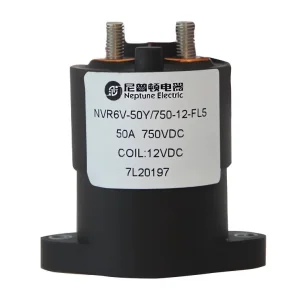
Established in 2010 in the Qingbaijiang District of Chengdu, Chengdu Suchen Environmental Protection Materials Co., Ltd. has developed into a diversified group company. We specialize in three primary business sectors: plasma cutting and welding consumables, laser cutting and welding consumables, and high-voltage DC relays.
Operating under the philosophy of "Green Sustainable Development," we integrate environmentally conscious materials and processes across our manufacturing lines to meet international environmental standards. We support global industrial manufacturing sectors, including multiple Fortune 500 enterprises, by providing reliable products that meet stringent quality and environmental requirements.
Explore Our OEM Consumables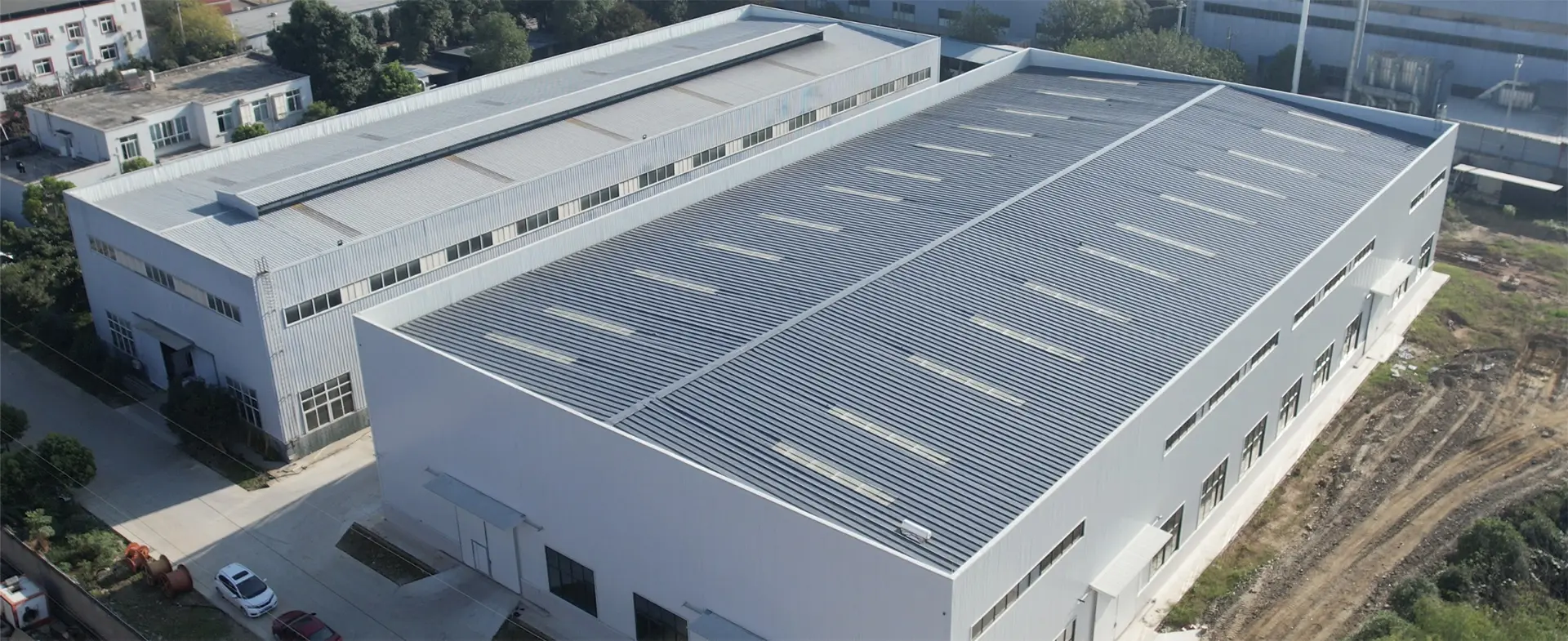

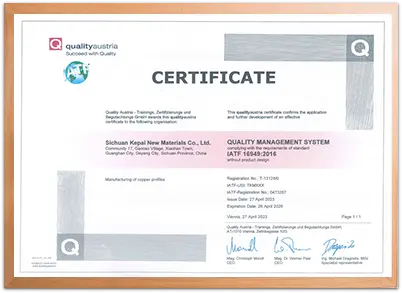
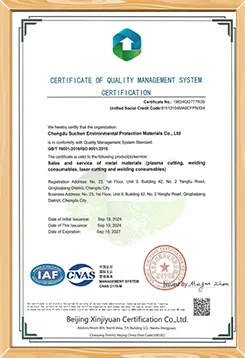
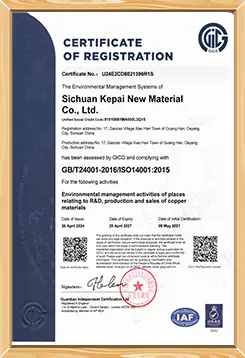
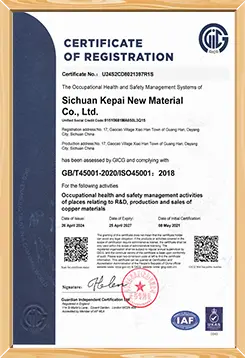
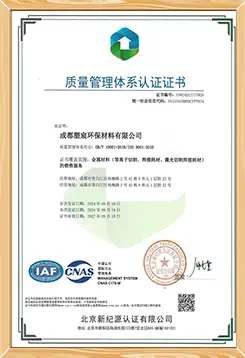
Our operational philosophy centers on environmental integrity, customer service, and certified quality.

To serve as a globally recognized supplier of eco-friendly industrial consumables and new energy components, driving green transformations within manufacturing. We continually refine our manufacturing processes to meet the demands of global partners and Fortune 500 corporations.

Built on the principles of integrity, cooperation, and mutually beneficial relationships, Suchen emphasizes transparent business practices. We build long-term partnerships through consistent delivery and shared technical expertise.

Maintaining a "Customer-First" service philosophy, we assist our partners in navigating complex international trade requirements, offering responsive technical support and reliable product delivery schedules.
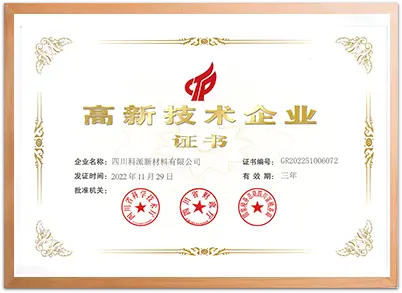
Our products comply with relevant international quality and environmental directives, ensuring trouble-free importation and regulatory alignment across North American, European, and Asian markets.


Answers to common technical inquiries regarding OEM plasma consumables integration and troubleshooting.
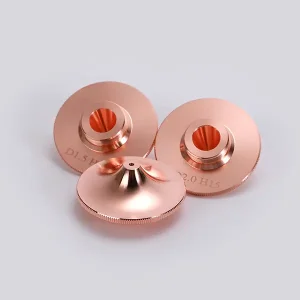
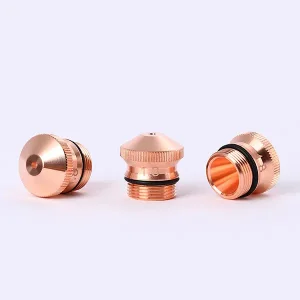
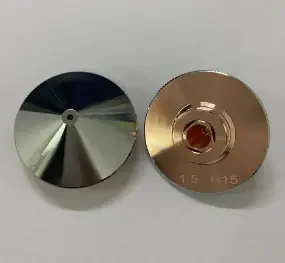
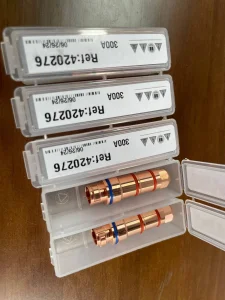
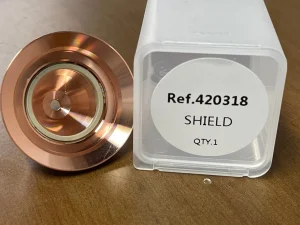
Browse our selection of specialized replacement parts, shields, nozzles, and cutting torch components.
 SUCHEN