 SUCHEN
Industrial Whitepaper: Optimization & Evolution of Laser & Plasma Cutting Technology
1. Global Sourcing Demands and Industry Trends
The global manufacturing landscape is undergoing a massive shift towards high-speed automation, high-power fiber lasers, and precise heavy-duty plasma setups. According to global logistics and industrial indices, procurement agents are prioritizing supplier consistency, material purity, and long-term performance. In an era where 10kW to 40kW fiber lasers are becoming standard, thermal characteristics and copper purity determine the operational lifespan of nozzle assemblies.
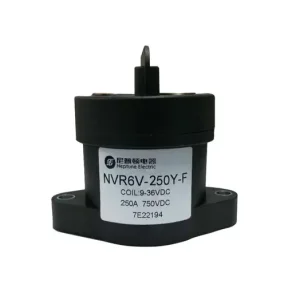
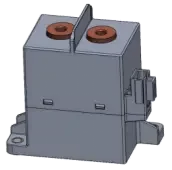
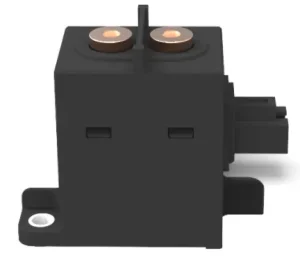
Simultaneously, the transition toward green energy platforms has led to a surge in demand for reliable high-voltage components. In electric vehicles (EVs), photovoltaic systems, and battery storage infrastructures, High-Voltage DC Relays act as safety critical devices that prevent catastrophic electrical failures. System integrators now require dual-competency partners capable of delivering high-grade mechanical parts alongside electronic components.
Information Gain: High-power laser systems operating above 12kW require copper components with a purity greater than 99.9% (Oxygen-Free High Conductivity copper). Using sub-standard material leads to unstable gas dynamics, premature heat wear, and degradation of the focusing optics, increasing cost-per-cut ratios by up to 45%.
2. The Mechanics of Laser & Plasma Consumable Wear
In modern fabrication settings, nozzles and electrodes are exposed to harsh conditions, including high thermal stresses, chemical oxidation, and high velocity gas dynamics.
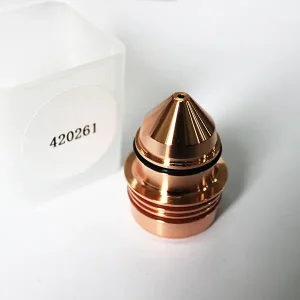
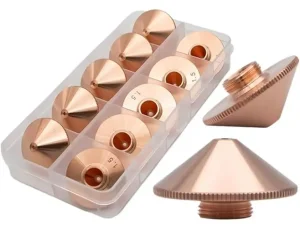
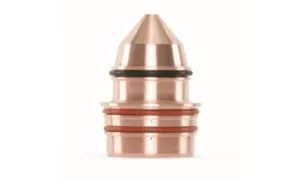
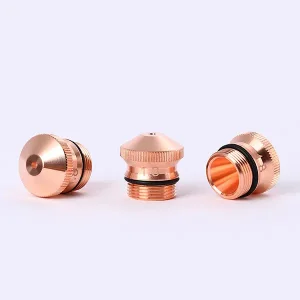
- Laser Cutting Nozzles (e.g., D28 single/double layer): The nozzle handles gas direction, matches electrical capacitance, and guards the laser optics. Minor variations in interior wall roughness disrupt gas flow, causing turbulence that degrades cut quality.
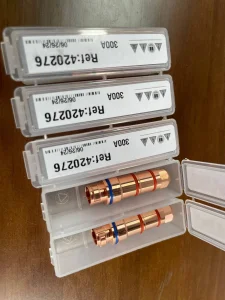
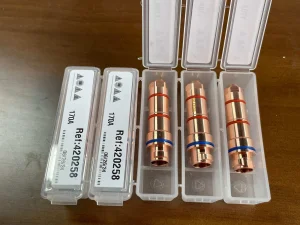
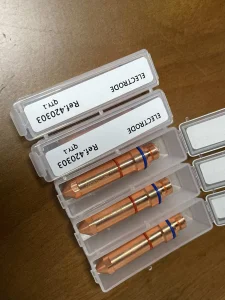
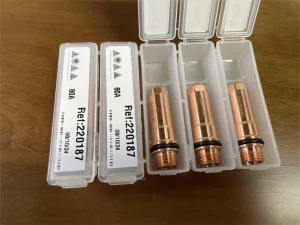
- Plasma Electrodes (e.g., 420303, 220187): Standard plasma torches rely on high-purity hafnium inserts combined with silver or copper bodies. Ensuring proper mechanical bonding between the hafnium insert and the copper body prevents thermal bottlenecks and premature failures.
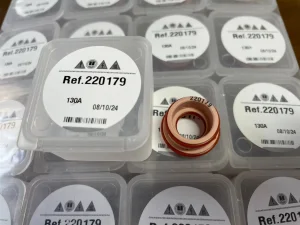
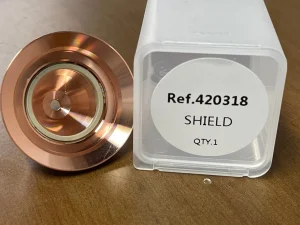
- Swirl Rings & Shields (e.g., 220179, 420318): These components direct the gas flow to compress and stabilize the arc. Thermal expansions can cause deformation, distorting the arc column and producing irregular kerfs.

Our Business Philosophy
We operate on the foundation of "green sustainable development." In our R&D and manufacturing processes, we utilize environmentally friendly materials and low-emission production systems. By improving the service life of our nozzles, ceramic rings, and electrodes, we reduce industrial waste and help customers meet strict carbon emission targets.
Through resource efficiency and material circularity, we establish long-term partnerships with clients looking to build clean, sustainable supply chains.