Explore our highly integrated high voltage DC relays, precise consumables, and advanced engineering ceramics designed for global industrial applications.
In the rapidly evolving landscape of clean energy transition and industrial automation, high voltage Direct Current (HVDC) systems have emerged as the foundational architecture for power distribution. From battery energy storage systems (BESS) running at 1500VDC to modern electric vehicles (EVs) utilizing 800V fast-charge systems, the demand for safe, reliable, and durable circuit switching is at an all-time high.
Unlike Alternating Current (AC) systems where the current periodically passes through zero, allowing natural arc extinguishment, Direct Current arcs are sustained and physically challenging to extinguish. This requires high voltage DC relays (also known as DC contactors) built with exceptional materials and precise mechanical design. The design must accommodate extreme thermal loads, prevent contact welding, maintain gas-sealed integrity over years of operations, and safely handle emergency disconnect events under full system loads.
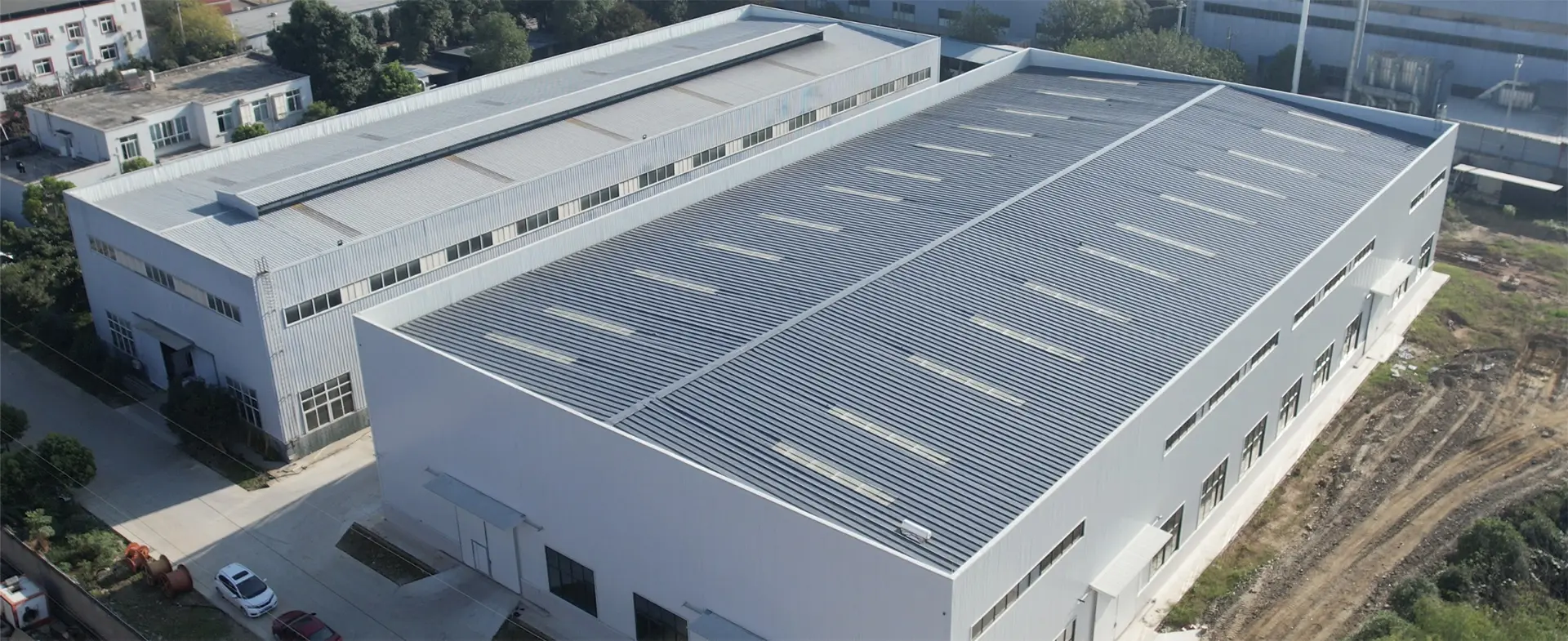
A multi-disciplinary industrial components group dedicated to green sustainable development and global export operations.
Established in 2010 and nestled within the strategic industrial zone of Qingbaijiang District, Chengdu, Chengdu Suchen Environmental Protection Materials Co., Ltd. has grown into a leading diversified group. For over 14 years, the company has operated at the nexus of materials science and electrical engineering, focusing on three core business sectors:


We aim to be a premier global supplier of clean energy parts and environmental materials, actively pushing forward the green transformation of international manufacturing systems. We maintain deep strategic partnerships with several Fortune 500 corporations.

We foster a collaborative culture built around integrity and mutually beneficial outcomes. We treat partners with transparency to forge reliable, multi-decade relationships in global sourcing networks, sharing key breakthroughs to enhance collective performance.

Operating under a strict "customer-first" mindset, we combine deep technical support with highly optimized logistics. Our focus is helping global clients scale their green infrastructure platforms safely and with low total cost of ownership.
A comprehensive examination of materials science, arc control mechanics, and structural design factors that define "better quality" relays.
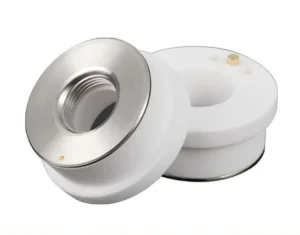
The performance threshold of a high voltage DC relay is fundamentally dictated by its sealing technology. High-quality relays utilize a ceramic-to-metal brazed chamber (often using specialized ceramic rings). This structure is hermetically sealed and backfilled with high-dielectric gases, typically a pressurized mixture of hydrogen (H2) and nitrogen (N2).
Epoxy-resin encapsulated relays, while cost-effective, suffer from gas permeability and thermal degradation over time. Under high temperature cycling, the contact interface of an epoxy relay degrades, leading to loss of pressurized gas and subsequent failure to extinguish arcs. Ceramic seals maintain hermetic stability up to 500°C, ensuring consistent contact resistance and dielectric strength over a service life of 20+ years.
In DC switching, the primary failure mode is contact deterioration caused by the intense heat of electrical arcs. To combat this, advanced HVDC relays are equipped with permanent blowout magnets.
When the contacts split open, the magnetic field exerts a Lorentz force on the current path, lengthening the arc and shifting it toward cooling barriers inside the ceramic chamber. By stretching the arc, the system drops the local voltage drop below the minimum ionization potential, forcing the arc to collapse within milliseconds.
The contact surface is subject to massive thermal shocks during in-rush currents (e.g., pre-charging capacitive systems). Suchen's engineering department selects premium silver-tin oxide (AgSnO2) compounds. This material balances electrical conductivity with extreme resilience against mechanical wear and welding.
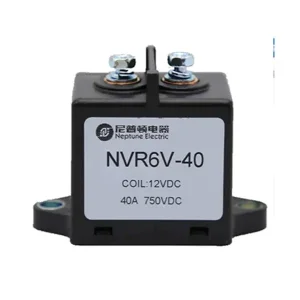
| Technical Parameters | Standard Epoxy Relays | Suchen Ceramic Hermetic Relays (e.g., NVR6V Series) | Industrial Performance Impact |
|---|---|---|---|
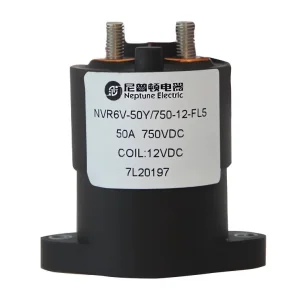
| Sealing Method | Epoxy Resin Seal | Ceramic-to-Metal Brazing (Hermetic) | High temperature resistance, zero gas leakage |
| Gas Chamber Fill | Air / Argon Blend | Pressurized Hydrogen (H2) + Nitrogen (N2) | Extreme cooling of arcs, higher dielectric breakdown |
| Contact Resistance | < 2.0 mΩ (unstable over time) | < 0.3 mΩ (stable over entire lifecycle) | Lower heat generation, minimal power losses |
| Max. Short-Circuit Carry | 1000A / 10ms | Up to 5000A / 10ms (system protection) | Protects battery systems during short-circuit faults |
| Mechanical Lifespan | 100,000 operations | 1,000,000+ operations | Extended life cycle for automated platforms |
How high-voltage relays operate across diverse regulatory environments, industries, and extreme physical environments.
In passenger EVs and commercial electric fleets, HVDC relays function as the "Main Contactors" within the Battery Junction Box (BJB) or Power Distribution Unit (PDU). They must instantly isolate the high-voltage pack (up to 1000V) in case of crash sensor inputs, while operating with minimal coil power consumption. Fast-charging stations rely on these contactors to handle sustained high currents (200A to 500A continuous) during quick charge sessions.
Utility-scale solar installations and large-scale Battery Energy Storage Systems (BESS) are transitioning to 1500VDC to reduce current transmission losses. Isolating these arrays for maintenance or grid disruptions requires relays capable of breaking high voltages repeatedly without degrading, mitigating thermal runaways in sensitive solar farms.
For compliance in North America (UL, CSA), Europe (CE, TUV), and Asia (CCC), relays must undergo severe creepage and clearance distance testing. Chengdu Suchen designs its components with wide spatial clearances, guaranteeing they meet regional safety layouts without necessitating custom system footprints.
Leveraging central China's material networks and industrial hubs to guarantee consistent global delivery.
The global supply chain disruptions of recent years highlight the value of manufacturing hubs with direct access to basic materials, skilled engineering, and reliable transport. Chengdu, located in southwest China, has evolved into a premier high-tech manufacturing, logistics, and electronics center.
By basing our manufacturing in the Qingbaijiang District of Chengdu, Suchen operates adjacent to massive raw material networks (such as high-grade alumina ceramics and precision magnetic metals). This integration yields a distinct triple-action supply chain benefit:
Direct integration with domestic suppliers of high-purity alumina ceramics (for relay housing rings) and silver-alloy contacts allows Suchen to bypass global raw-metal bottlenecks.
As a major hub of the China-Europe Railway Express, Chengdu provides rapid, low-carbon rail shipping across Central Asia directly to EU logistics hubs, cutting transport time compared to standard ocean freight.
Our facility runs comprehensive QA testing, including hermeticity testing, mechanical impact testing, coil consumption analysis, and contact voltage drop mapping before shipping.
This localized vertical integration protects global customers from price shocks and delivery delays, ensuring stable OEM/ODM supplies even under challenging economic conditions.
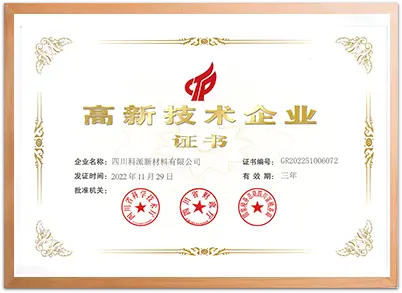
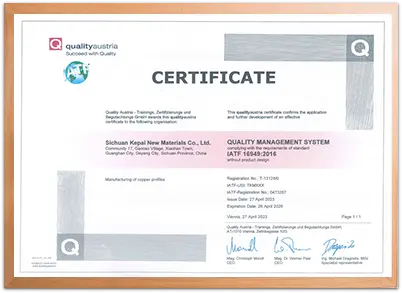
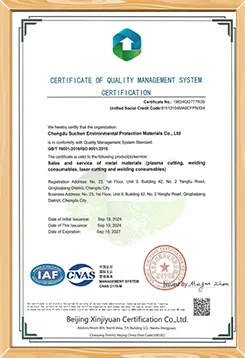
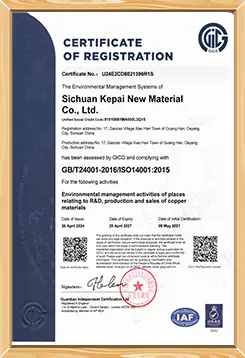
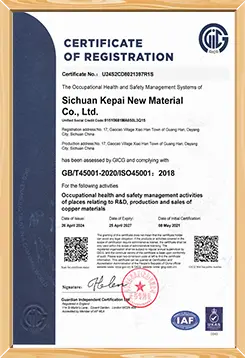
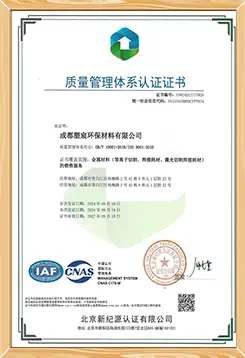
Quality is not merely a slogan at Chengdu Suchen; it is documented through rigorous certifications. Our factories operate under strict environmental and quality management systems to meet global compliance rules.
Our relay and laser/plasma consumable product lines have cleared multiple testing metrics, reflecting international safety, manufacturing process efficiency, and environmental responsibility parameters. We follow green manufacturing practices to limit carbon output and chemical waste across our production lines.


Crucial engineering and procurement answers for high-voltage direct current switching components.
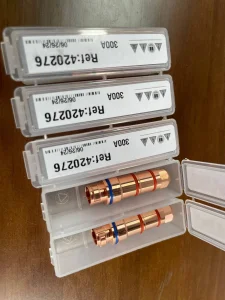
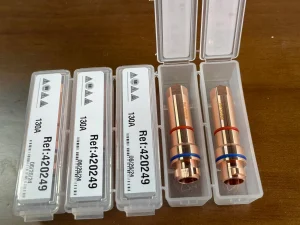
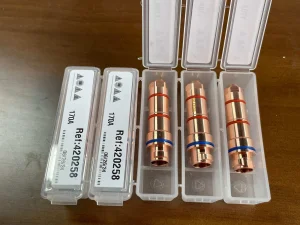
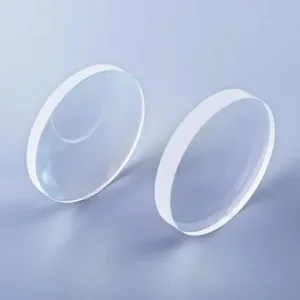
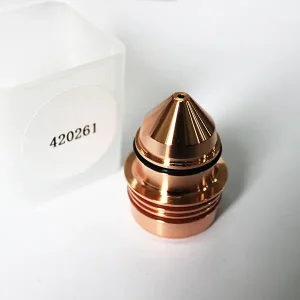
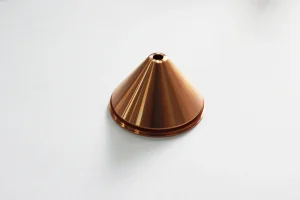
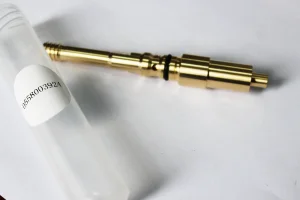
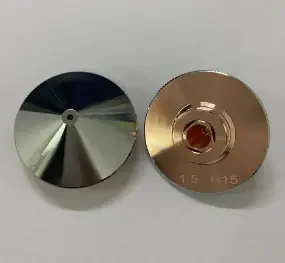
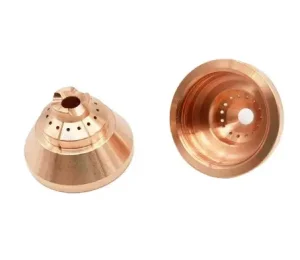
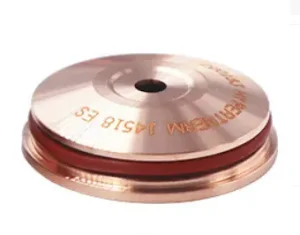
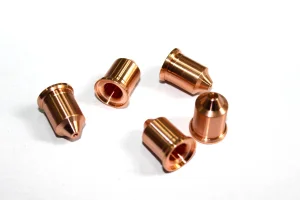
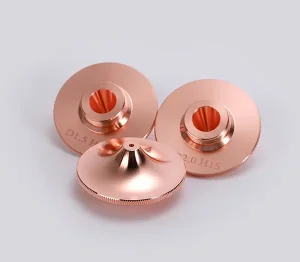
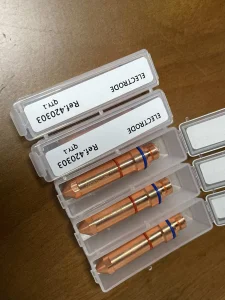
Complete your supply chain with our global-standard laser and plasma cutting parts, electrodes, and related high-power accessories.
 SUCHEN