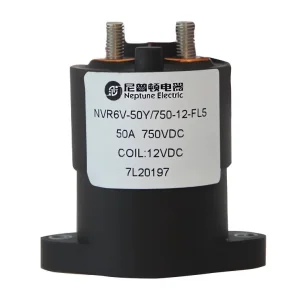
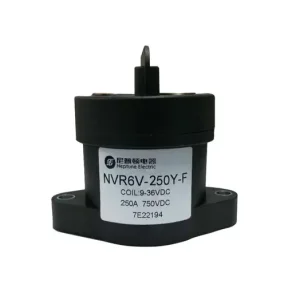
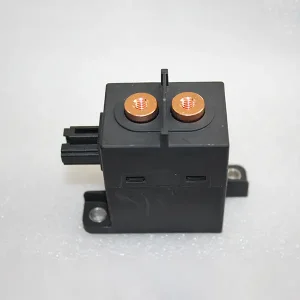
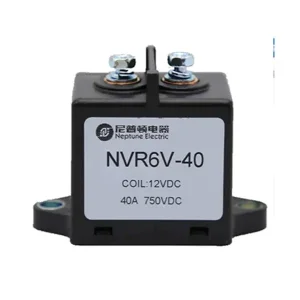
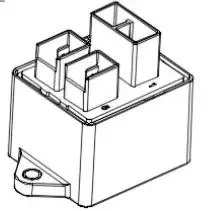
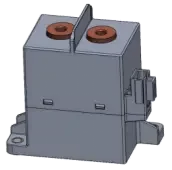
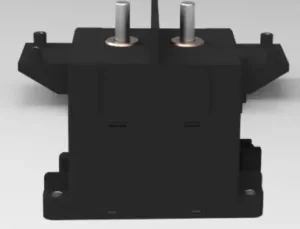
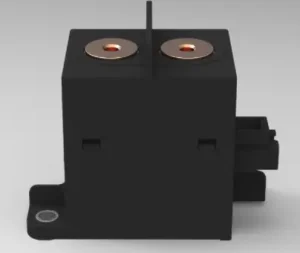
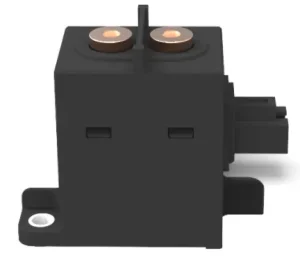
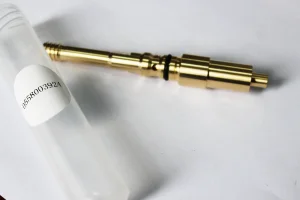
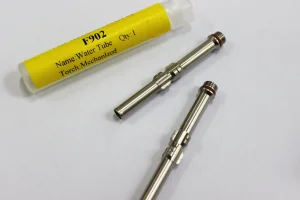
Designed specifically for solar installations, EV charging infrastructure, and severe-duty industrial applications in South Africa. Explore our primary series below:
South Africa is navigating an unprecedented energy transition. The combination of chronic load shedding, the restructuring of national power grids, and an urgent push toward decarbonization has placed severe pressure on municipal and utility distribution frameworks. As a direct result, there is a massive surge in the deployment of Commercial & Industrial (C&I) solar photovoltaic (PV) installations and utility-scale Battery Energy Storage Systems (BESS) across major economic hubs, including Gauteng, KwaZulu-Natal, and the Western Cape.
In these high-voltage systems, direct current (DC) circuits are the standard. Unlike alternating current (AC), DC arcs do not have a natural zero-crossing point, making them exceptionally difficult to extinguish. This is where high-quality DC contactors become the linchpin of electrical safety and control. They act as high-frequency safety switches that isolate battery banks, PV arrays, and EV charging interfaces during routine operations and catastrophic fault conditions. Sourcing reliable switching apparatus is paramount to safeguarding South Africa’s new energy architecture.
Production Experience
The global demand for high-voltage DC contactors is scaling exponentially, driven by the electric vehicle (EV) revolution and green energy transitions. However, South African industrial sites exhibit distinct localized needs.
Internationally, standard DC systems have migrated from 600VDC to 1000VDC and 1500VDC architectures to maximize efficiency and reduce conductor weights. Manufacturers are utilizing advanced gas-filling (nitrogen/hydrogen mixes) and magnetic blowout designs to sustain high lifecycle cycles under continuous load switching.
South African operations operate in extremely harsh physical and electrical environments. Frequent grid fluctuations, high ambient operating temperatures in areas like the Northern Cape, and heavy dust/humidity contamination in deep mining shafts mean that entry-level components suffer premature thermal breakdown and contact welding.
Because load shedding triggers multiple cycles of battery charging and discharging daily, DC contactors in South African backup installations endure three to four times the switching cycles compared to Western European setups, demanding premium alloy construction and hermetic seals.
Understanding the physics of direct current interruption highlights the difference between cheap imports and engineering-grade relays. When contacts open, the high system voltage continues to jump the physical gap, creating an electric plasma arc that can exceed 5,000 Kelvin. Without controlled suppression, this arc will melt the contact pads, resulting in permanent failure or fire.
Modern DC contactors deploy three critical defense mechanisms:
Implementing components without mapping to local environmental parameters leads to high maintenance overheads. We customize our systems for key South African sectors:
In large-scale solar farms across the Northern Cape and Free State, 1500VDC strings require heavy-duty isolation switches. Suchen contactors ensure reliable circuit interruption for central inverters and string combiner boxes, adapting to rapid solar irradiance swings.
In Johannesburg's deep gold and platinum mining sectors, DC contactors are widely deployed in underground electric haulage systems, heavy pumps, and ventilation safety backups, where ambient dust levels and vibrational loads are extreme.
As enterprises integrate containerized BESS setups to survive load shedding, our heavy-power DC relays act as the master breaker inside battery management systems (BMS), preventing catastrophic thermal runaway events.
South African telecom giants like MTN and Vodacom use hybrid generator-battery setups at cellular towers. Low-loss DC contactors ensure seamless, low-maintenance automatic transfer switching between fuel cells, solar, and grid lines.
Choosing the right factory to secure specialized components reduces project deployment risk. Suchen guarantees a structured, end-to-end process:
We map the maximum operating voltage (Voc), nominal currents, ambient temperatures, and duty cycles (DC-1, DC-3, or DC-5) of your project.
Suchen utilizes precision laboratories to manufacture customized high-voltage relays tailored to your specific mechanical envelopes and terminal setups.
Prototypes undergo rigorous dielectric isolation, life cycle, and thermal rise testing, conforming directly to IEC 60947-4-1 standards.
Direct factory-to-port dispatch services to Durban, Cape Town, and Port Elizabeth, with ongoing electrical advisory services.
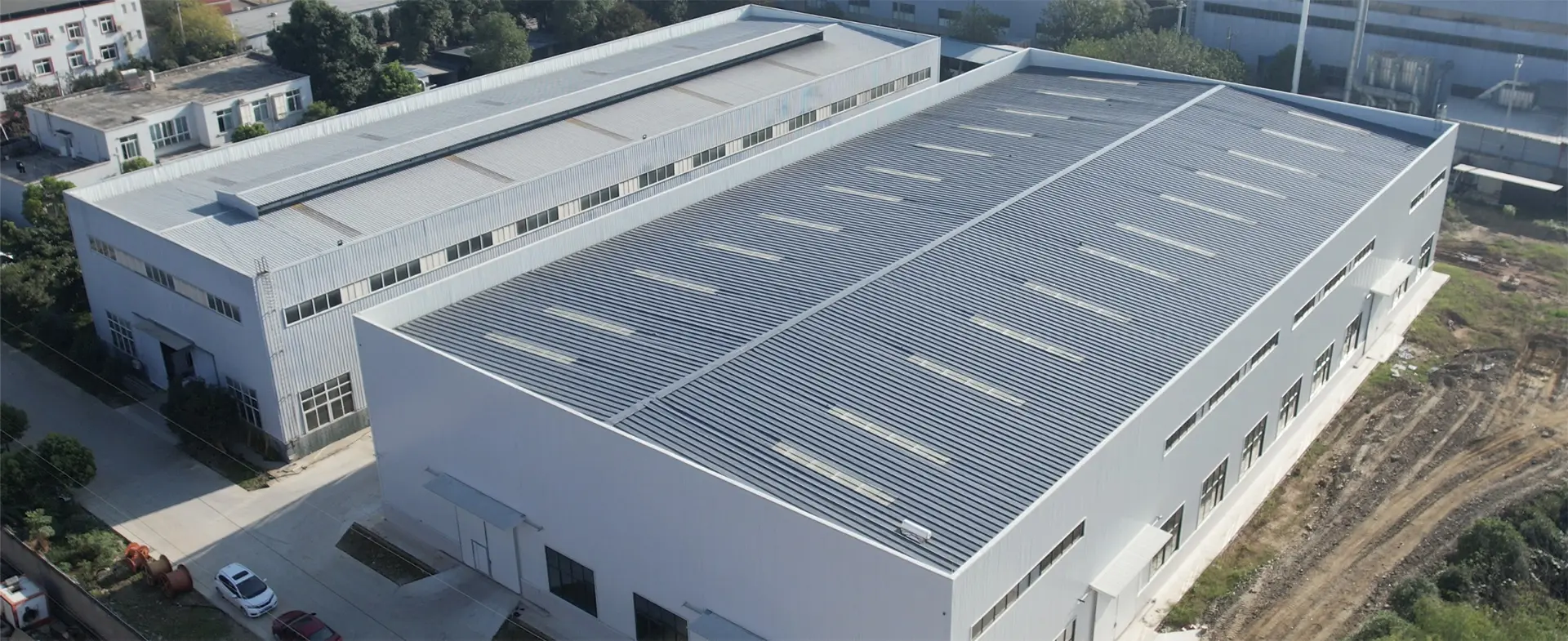
Established in 2010 in the Qingbaijiang District of Chengdu, Chengdu Suchen Environmental Protection Materials Co., Ltd. is a diversified group company. We focus on three main business sectors: plasma cutting and welding consumables, laser cutting and welding consumables, and high-voltage DC relays. Our primary sales target is the international market, and we are committed to providing high-performance products and quality services to global customers, serving various industrial and manufacturing sectors.
As an industry leader, Suchen always adheres to the concept of "green sustainable development." In our product research, development, and manufacturing processes, we actively use environmentally friendly materials and advanced engineering to ensure that our products meet international environmental standards, helping our customers achieve sustainable production. We serve multiple Fortune 500 companies and have received consistent praise from our global clients.
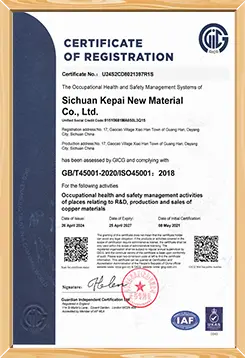
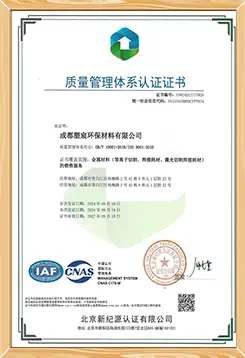
Our products and services have passed a number of international authoritative certifications, verifying that our quality, safety, and performance meet advanced international levels.
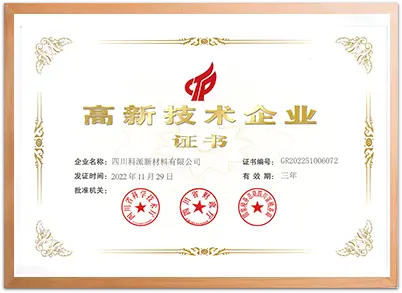
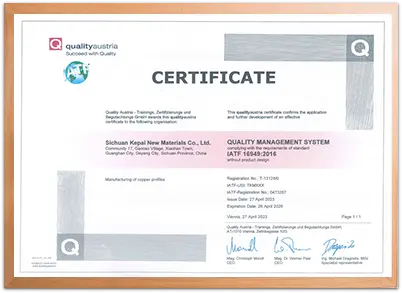

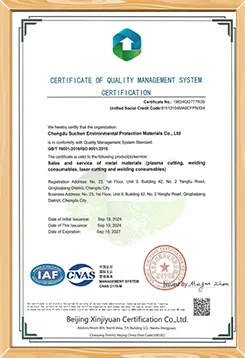
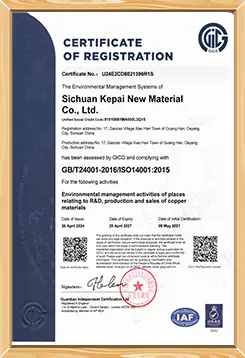

As energy densities in batteries increase and operating voltages approach 2000VDC to reduce current heat losses, the requirements on DC switching safety are tightening. In response, Chengdu Suchen's technical roadmap focuses on three major development horizons:
Integrating micro-sensors within the contactor shell to feed real-time measurements of internal gas pressure, temperature, and contact erosion back to the cloud. This facilitates predictive maintenance before electrical failure occurs.
Developing optimized contact geometry and symmetric magnetic blowouts that quench arcs with equal efficacy regardless of current flow direction. This is critical for modern BESS charging/discharging loops.
Deploying dual-winding coils with electronic economizers that reduce holding current consumption by up to 90%, mitigating thermal dissipation in enclosed spaces.
Review our secondary switching assemblies and associated high-power components certified for international and South African electrical markets:
Connect directly with Chengdu Suchen's technical engineering department. Get specialized component matching, tailored configurations, bulk price quotes, and full logistical support for South African ports.
Send Inquiry Now SUCHEN