A comprehensive whitepaper examining high-precision coolant dynamics, fluid mechanics, thermal boundaries, and structural alignment inside high-amperage plasma torch chambers.
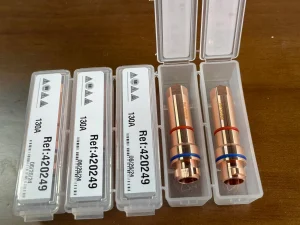
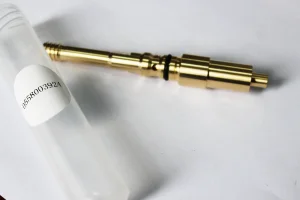
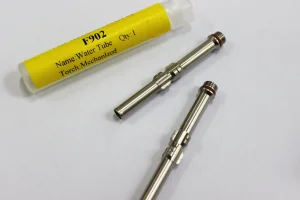
Modern plasma arc cutting processes achieve core temperatures exceeding 20,000°C (36,000°F). Without structural heat dissipation mechanisms, the electrode insert (most commonly hafnium or tungsten) and the copper housing would melt in milliseconds. High-performance water tubes (also recognized in industrial sectors as coolant tubes) act as the vital artery of the system.
These tubes sit deep within the core of the plasma torch structure, positioning the inlet coolant just fractions of a millimeter away from the internal surface of the electrode tip. Under high-velocity turbulated flow, the coolant captures local heat flux, suppressing premature cathodic erosion and maintaining the geometric integrity of the electrode's emissive center.
In high-amperage systems, concentric accuracy is paramount. A deviation of just 0.05 mm in the alignment of the water tube relative to the electrode creates an asymmetrical cooling profile. The resultant temperature differential shifts the emission point of the arc, resulting in an unstable, wandering arc column, increased kerf taper, and drastically shortened consumable life.
Furthermore, poorly engineered water tubes suffer from high surface roughness, leading to hydrodynamic cavitation at key bend radiuses. Cavitation bubbles imploding near the inner walls cause localized erosion, metal fatigue, and eventual pinhole leaks that allow coolant to escape directly into the plasma gas stream, completely destroying the torch head.
| Performance Dimension | Standard Coolant Tubes | Suchen High-Performance Water Tubes | Direct Operational Benefit |
|---|---|---|---|
| Base Alloy Composition | Common C36000 Brass / Standard Copper | Enhanced Silver-Bearing Copper / Premium Phosphor Bronze | Up to 35% higher thermal conductivity & superior wear life. |
| Dimensional Tolerances | ±0.05 mm | ±0.01 mm (Strict Micro-Machining Control) | Eliminates micro-misalignment, ensuring arc concentricity. |
| Hydrodynamic Profiling | Basic Drilled Outer Cavities | CNC Chamfered and Deburred Inlet Channels | Reduces flow turbulences and prevents cavitation erosion. |
| Cathodic Erosion Cycle | Standard Degradation (approx. 20 hrs) | Optimized Thermal Curve (up to 45 hrs) | Doubles overall electrode lifespan under high load. |
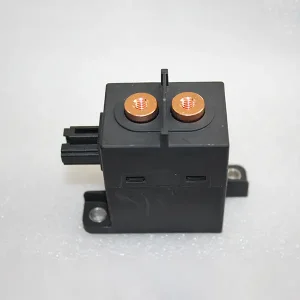
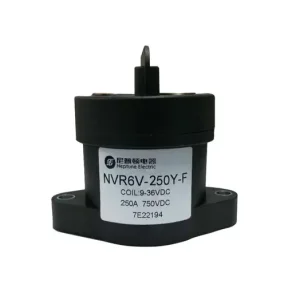
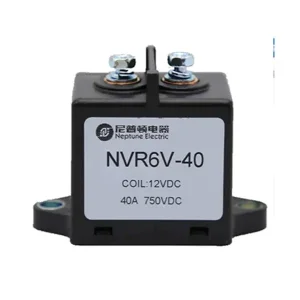
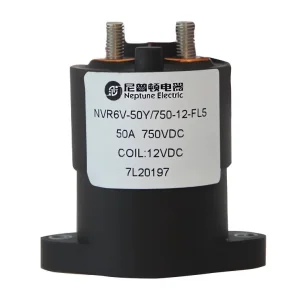
Established in 2010 in the heavy-industrial hub of Qingbaijiang District, Chengdu, Chengdu Suchen Environmental Protection Materials Co., Ltd. is a diversified, technology-oriented enterprise specializing in high-performance consumable components. Our catalog comprises three primary pillars: plasma cutting and welding consumables, laser cutting and welding consumables, and advanced high-voltage DC relays.
We target the high-demand export market, tailoring products to meet strict international standards (CE, ISO, RoHS). Our commitment to technological integration and material science allows us to manufacture components that regularly outperform OEM specifications, ensuring that global fabrication lines continue to operate smoothly with minimal downtime.
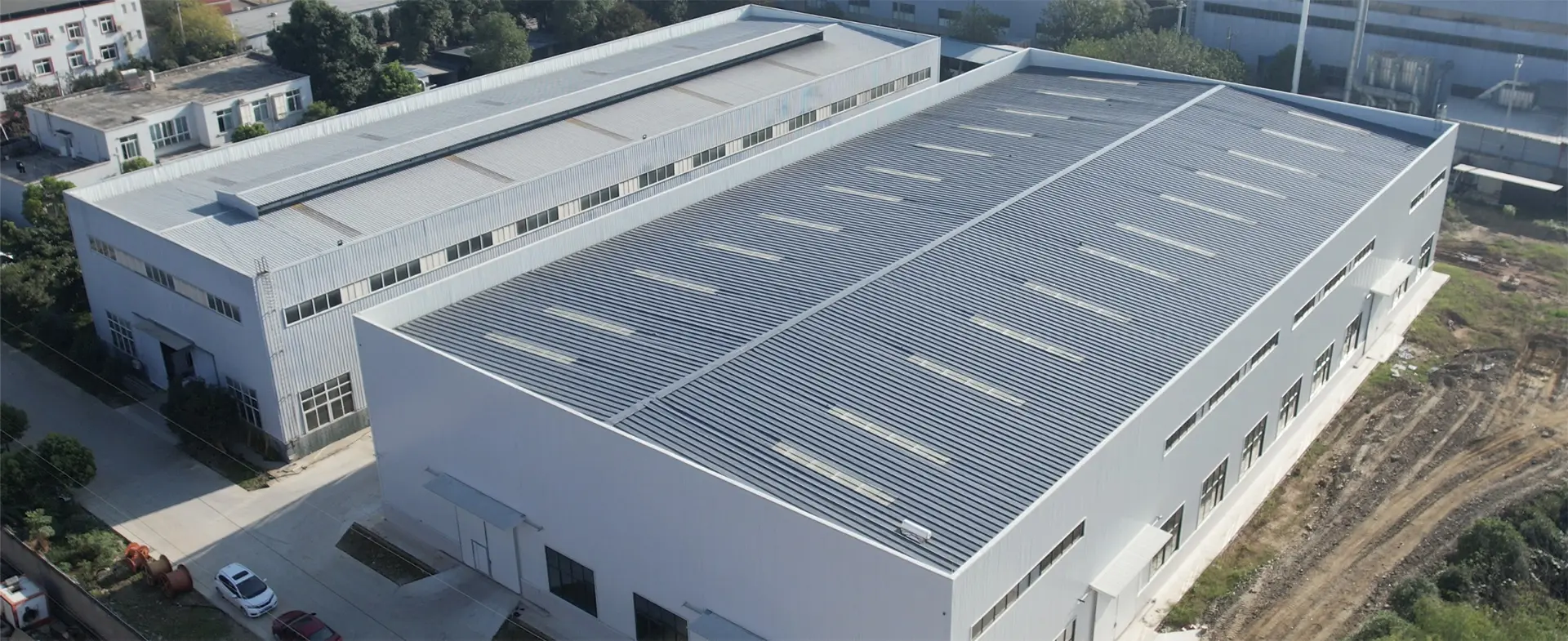

Analyzing how different global industrial clusters leverage our specialized plasma cooling consumables to optimize their manufacturing workflows.
In high-speed production lines fabricating chassis parts and battery trays for electric vehicles, any cut-quality drop halts assembly. The high-performance water tube ensures the electrode remains stable over long operational shifts, maintaining a vertical cut angle and saving automotive manufacturers millions in secondary rework costs.
Shipyards cutting thick high-tensile structural plates require continuous high-amperage plasma runs (often 400A and above). Standard water tubes fail prematurely due to high-temperature thermal cycle fatigue. Suchen's specialized alloy composition resists thermal degradation, allowing heavy structural steel cuts to be completed without mid-process consumable swaps.
How Chengdu Suchen integrates modern logistical infrastructure with local manufacturing efficiency to provide reliable worldwide delivery.

To become a globally recognized benchmark supplier of environmental materials and new energy components. Through structural innovation and advanced metallurgy, we support the digital and green transformation of the global manufacturing industry.

We operate on the principles of "integrity, cooperation, and mutual growth." By building open relationships with global buyers and engineering departments, we establish reliable custom parts pipelines with guaranteed quality.

Adhering to a strict "customer first" philosophy. Suchen provides technical design evaluations, tailored packaging, fast shipping pathways, and thorough troubleshooting assistance to ensure uninterrupted production cycles.
A projection of how plasma torch cooling systems are evolving to meet the demands of Industry 4.0 and advanced laser-plasma hybrid applications.
Future plasma torches will utilize water tubes designed with complex inner micro-grooves. These micro-channels increase the total contact surface area between the coolant and the tube walls without raising the physical footprint of the torch. This advancement is expected to increase heat transfer efficiency by an additional 25%, paving the way for compact, super-high-density torches.
Integration of flow and temperature sensors in the return path of the coolant loop will allow real-time diagnostic systems to identify micro-variances in pressure. This diagnostic data will detect the early stages of water tube wear or physical deformation, advising operators of needed maintenance *before* a blowout occurs, minimizing unplanned assembly line shutdowns.
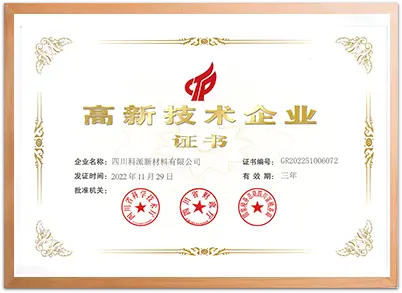
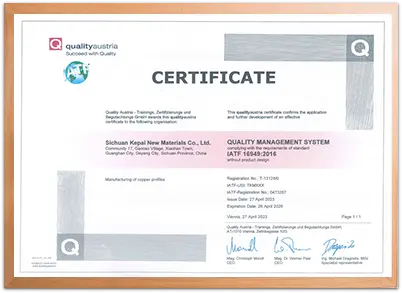
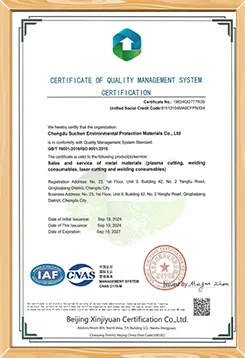
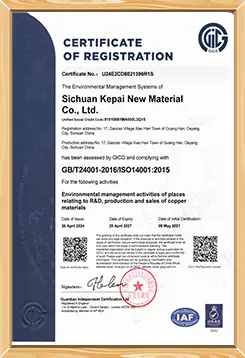
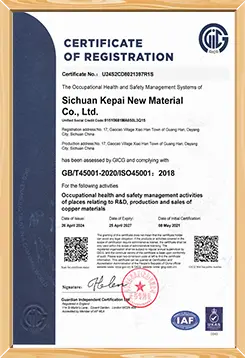
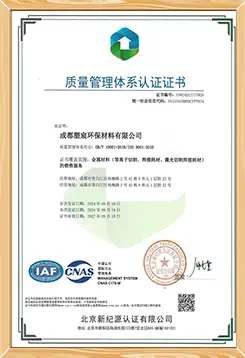
Chengdu Suchen's dedication to quality is backed by international certifications that validate the safety, longevity, and high structural reliability of our products.


Read detailed engineering and procurement insights regarding high-performance water tubes and plasma consumables.
The water tube sits directly inside the hollow core of the electrode. If the outer diameter is off-center even by hundredths of a millimeter, the coolant fluid channel becomes asymmetrical. This results in one side of the electrode tip overheating. Under thermal duress, the hafnium insert will erode unevenly, causing arc deviation (unstable cutting angle) and rapid degradation of both nozzle and shield cap.
Signs include: visible oxidation or blackening on the outer surface, localized corrosion spots (often near the O-ring seal grooving), micro-cracks along the tube body, and cut-quality degradation (such as an increased bevel angle). In high-duty cycle shops, it is recommended to inspect the water tube every 5 to 10 electrode changes to avoid disastrous torch head burnouts.
Using standard tap water leads to scale buildup (calcium carbonate deposits) inside the micro-channels of the water tube. This acts as an insulating layer, severely reducing heat transfer. Additionally, tap water contains ions that promote galvanic corrosion between the copper electrode and brass water tube. Using pure, deionized water with dedicated anti-corrosive plasma coolants prevents this breakdown.
Yes. With our advanced multi-spindle CNC machining infrastructure in Chengdu, we can produce customized water tubes based on detailed technical drawings or physical samples. We provide precise internal threading, custom length configurations, and specialized O-ring groove dimensions for high-amperage systems.
Located in the Qingbaijiang District of Chengdu, we are directly integrated into the Chengdu International Railway Port and China-Europe Express Train routes. This logistics network allows us to provide rapid, cost-effective overland and sea-air shipping options to our partners in Europe, the Middle East, and the Americas.
 SUCHEN