Pioneering High-Voltage Power Distribution Systems & Smart Electromagnetic Switching Technologies for Europe's Green Industrial Architecture
Engineered for High-Voltage EV Fleets, Renewable Energy Grids, and Automated Systems in Hamburg
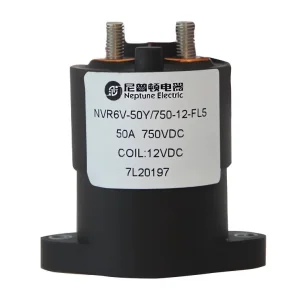
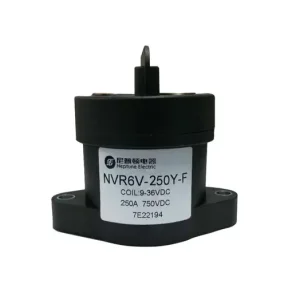
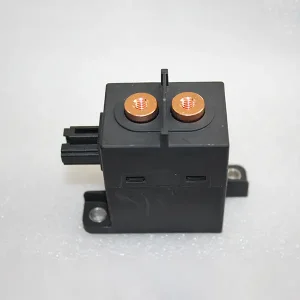
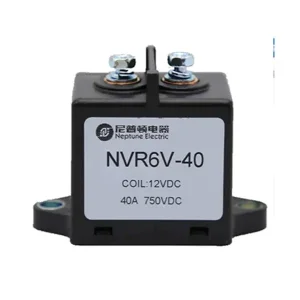
Hamburg is not only Germany's gateway to the world via its massive historic port, but it is also the driving engine behind Europe’s modern renewable energy networks and electrified maritime logistics. Under the mandate of the German Climate Action Act, the Hamburg metropolitan region is actively phasing out fossil-fuel reliance. Consequently, municipal grids, port infrastructure, and industrial parks are transitioning to High-Voltage Direct Current (HVDC) systems, which require robust and precise DC contactors to manage safe circuit interruption.
DC contactors operate as heavy-duty electrical switches, managing circuits up to 1500VDC. Unlike Alternating Current (AC) networks where the voltage naturally passes through zero-points twice per cycle, Direct Current does not offer a natural zero crossing. When a high-current DC circuit is interrupted, a highly destructive and continuous plasma arc forms between the contact points.
To combat this, the engineering of our DC contactors utilizes magnetic blowouts and inert gas-shielded chambers to quickly stretch, cool, and extinguish the electric arc, protecting critical components in local Hamburg installations.
Providing rugged high-voltage solutions compliant with strict European standards (CE, VDE) for offshore wind converters and regional battery storage plants.
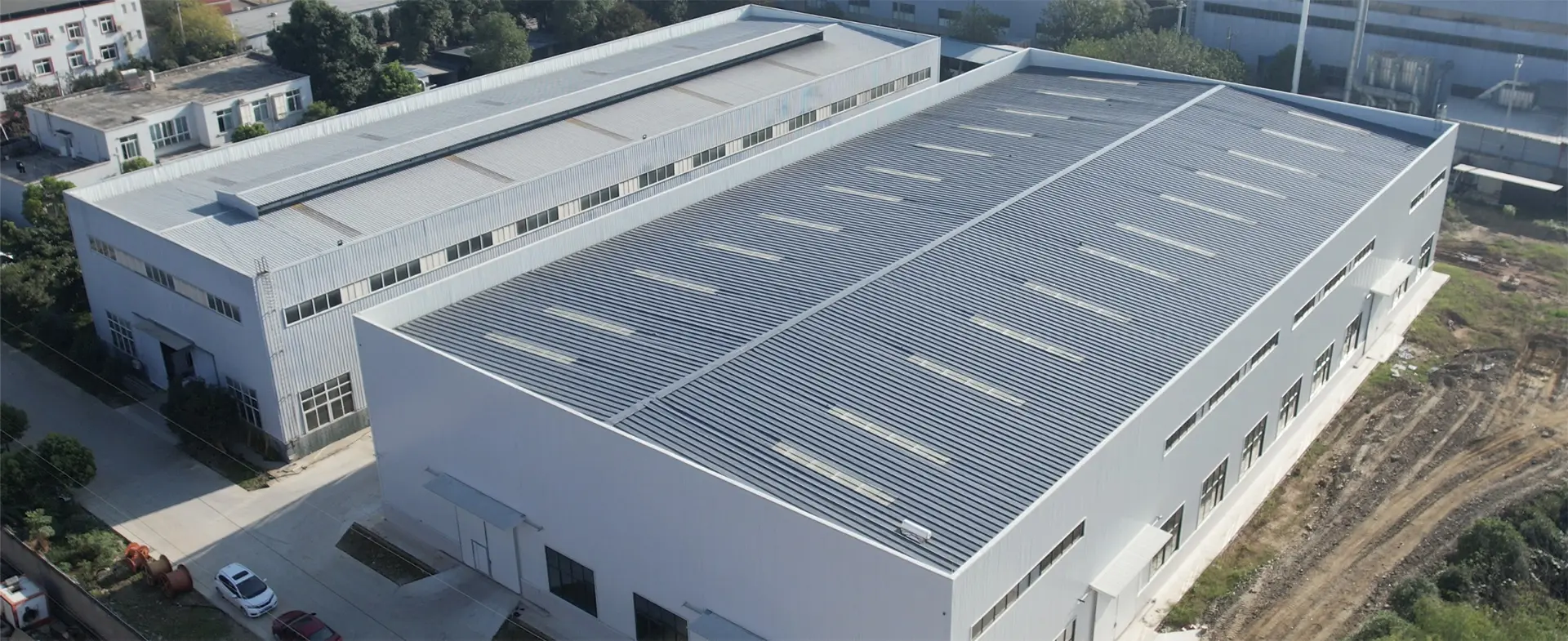
Where high-performance DC contactors and relays interface with northern Germany's core infrastructure

The Port of Hamburg (HHLA) is rapidly deploying automated guided vehicles (AGVs), container stackers, and zero-emission cranes. These massive battery-powered and tethered machines utilize 750V to 1000VDC onboard grids. Our heavy-duty contactors provide the essential emergency-trip mechanism and battery management isolation, ensuring safe operations under humid and saline coastal conditions.

Northern Germany serves as the landfall point for major offshore wind farms. Energy transmission relies heavily on high-voltage DC (HVDC) converter platforms. DC contactors serve as crucial auxiliary isolation components in pre-charging circuits and battery storage backup systems (BESS), protecting the main inverters from catastrophic power surges.

Hamburg’s public transport operators (Hamburger Hochbahn) are committed to maintaining a fully zero-emission bus fleet. Integrating Megawatt Charging Systems (MCS) demands high-speed, gas-filled DC contactors capable of handling continuous currents of up to 500A. This ensures safe disconnects during fast-charging cycles without contact welding.
The global transition to clean energy systems has spurred a significant evolutionary shift in electromagnetic design. Historically, contactors relied on open-air mechanical gaps. Modern industries require hermetically sealed, gas-filled chambers containing high-thermal-conductivity gases like Nitrogen or Hydrogen under pressure.
This gas mixture drastically reduces the cooling time of electric arcs, preventing contact material erosion. At the same time, design efforts are moving toward intelligent contactors equipped with integrated micro-sensors. These sensors detect contact degradation, coil temperatures, and auxiliary loop voltages, reporting telemetry back to central diagnostic networks to enable predictive maintenance.

A structured timeline for next-generation power electronics design and materials
Integrating customized nitrogen-helium mixes inside sealed chambers to suppress high-energy plasma arcs during 1000V+ switching cycles.
Embedding microcontrollers on the contactor driver board to track temperature deviations and log contact wear telemetry via CAN bus interfaces.
Phasing out harmful heavy metals in compliance with EU RoHS directives while maintaining high conductivity with composite silver matrices.
Shrinking footprint dimensions by up to 30% to fit within tight battery pack enclosures of modern electric vehicles and regional storage racks.
Our Corporate DNA: Reliability, Global Logistics, and Green Technology Integration
Established in 2010 in the Qingbaijiang District of Chengdu, Chengdu Suchen Environmental Protection Materials Co., Ltd. has grown into a highly diversified manufacturer serving the global clean-energy transition. Specializing in high-voltage DC relays alongside precision laser and plasma cutting consumables, Suchen bridges the gap between high-precision material science and large-scale industrial manufacturing.
Under our core philosophy of "green sustainable development," we actively utilize eco-friendly materials and advanced processes to ensure that all products comply with international safety and environmental standards. We believe that sustainable business practices are critical to building long-term value for our clients.
By supporting Fortune 500 enterprises and key industrial accounts across Europe and North America, Suchen continues to establish itself as a trusted partner in energy transition and advanced manufacturing.
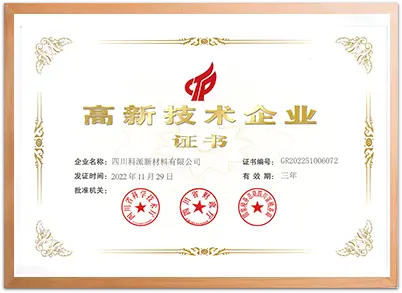
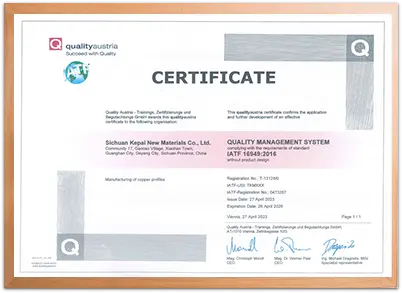

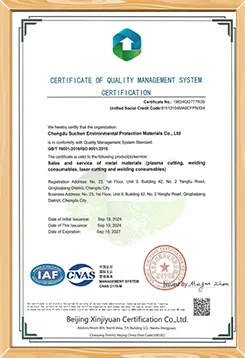
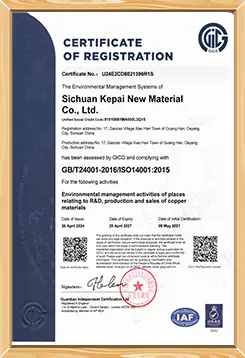
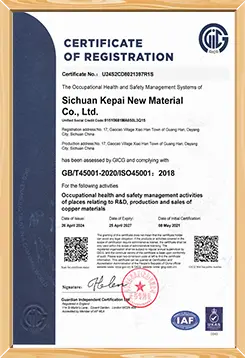
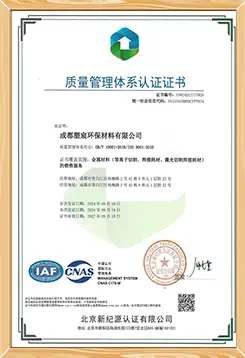

The assembly of utility-scale power distribution panels and industrial EV charging stations involves both copper busbar cutting and metal enclosure fabrication. Chengdu Suchen uniquely combines high-voltage contactor production with the manufacturing of precision laser and plasma cutting consumables.
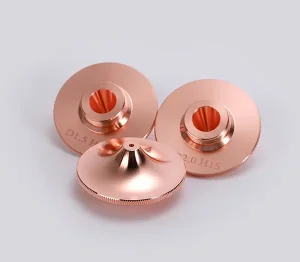
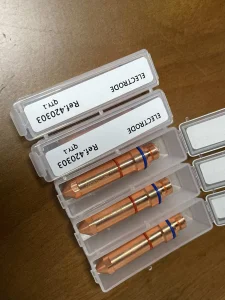
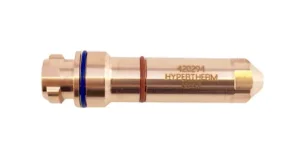
By producing long-lasting copper nozzles, electrodes, and high-transmission protection lenses, Suchen supports automated metal fabrication facilities across Germany. Having direct control over high-voltage relay design and thermal cutting consumables allows us to provide comprehensive industrial solutions, ensuring your panels are constructed and switching with maximum electrical efficiency.
Expert answers addressing the concerns of electrical design engineers and procurement teams in the Hamburg region
In AC circuits, the arc naturally extinguishes as the current oscillates through zero-points twice per cycle. DC voltage remains constant, producing a stable, continuous electric arc when contact points separate. Using AC contactors for DC applications results in severe contact damage, short circuits, and a high risk of electrical fires due to arc failure.
Humid, saline environments accelerate the oxidation of copper and silver contacts, leading to high electrical resistance and temperature spikes. Our high-voltage DC relays utilize hermetically sealed ceramic structures and nitrogen-gas filling, protecting the internal components from external environmental factors to ensure long-term durability in maritime and coastal setups.
When connecting a high-voltage battery to an inverter, the input capacitors draw a massive, instantaneous inrush current. This current can easily weld the main contacts of the primary DC contactor shut. A pre-charge contactor routes the initial current through a resistor, safely charging the capacitors to around 90-95% of battery voltage before the main contactor closes.
Laser and plasma nozzles shape the cutting arc to ensure clean, square cuts on heavy steel and copper busbars. Imperfections or wear in these consumables lead to rough edges, dross, and carbon build-up. This compromises contact surface area and fit, increasing resistance and safety risks in high-power distribution systems.
Every batch of high-voltage DC relays is subjected to dielectric strength tests, contact resistance tracking, and insulation tests. We follow strict ISO 9001 and CE frameworks, maintaining full traceability for raw materials to ensure smooth integration into EU grids and vehicles.
All original high-voltage contactors, relays, and precision laser/plasma consumables with customized Hamburg industrial designations
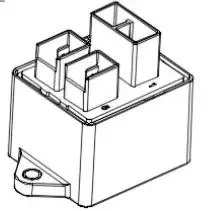
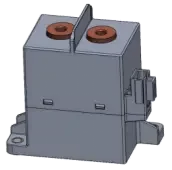
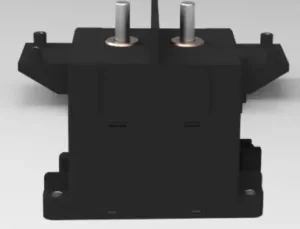
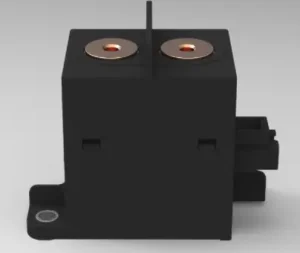
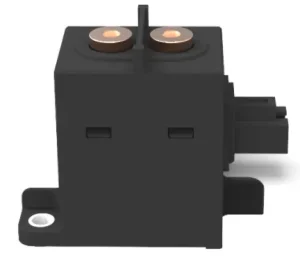



Looking for a reliable supply partner for high-voltage DC contactors or precision cutting consumables in the Hamburg region? Submit your requirements for a customized quotation.
Send Inquiry Now SUCHEN