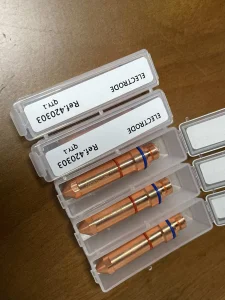
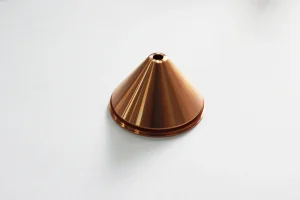
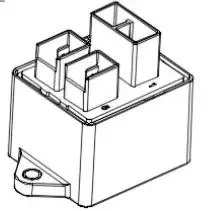
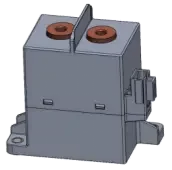
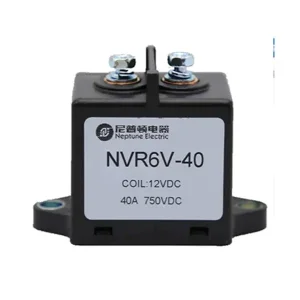
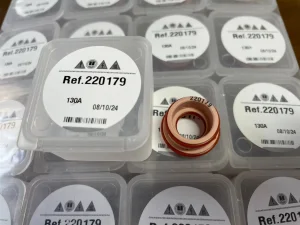
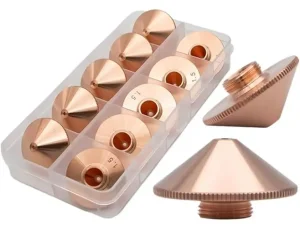
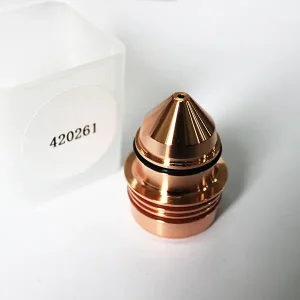
Chengdu Suchen Environmental Protection Materials Co., Ltd. is a diversified group company established in 2010, located in the Qingbaijiang District of Chengdu. We focus on three main business sectors: plasma cutting and welding consumables, laser cutting and welding consumables, and high-voltage DC relays. Our primary sales target is the international market, and we are committed to providing high-performance products and quality services to global customers, serving various industrial and manufacturing sectors.
By combining advanced materials science with precise engineering, we produce optical solutions capable of sustaining heavy thermal loads in high-powered CO2 laser configurations. Our cutting-edge facilities enable us to cater directly to original design manufacturing (ODM) requirements, producing custom parameters for focal length, diameter, and chemical composition configurations.
Explore Now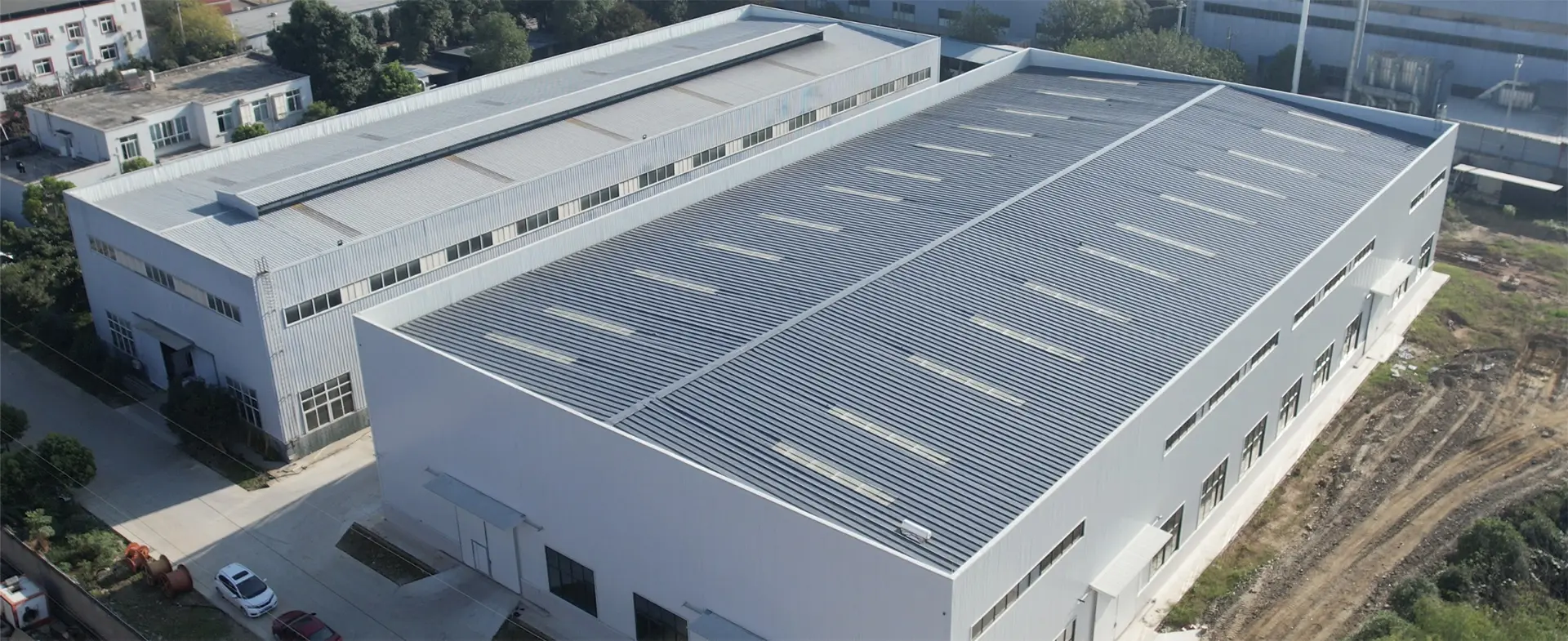
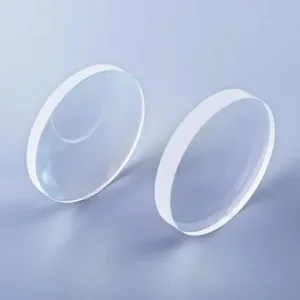
Industrial carbon dioxide (CO2) lasers operate at a long-infrared wavelength of 10.6 micrometers (µm). At this wavelength, standard optical glass is completely opaque. To transmit, focus, and shape this infrared radiation, specialized crystalline materials are mandatory. Chemical Vapor Deposition Zinc Selenide (CVD ZnSe) has emerged as the premier substrate for manufacturing high-quality CO2 laser lenses due to its incredibly low absorption coefficient at 10.6 µm, high physical durability, and low sensitivity to thermal distortion.
When selecting or custom-designing an ODM laser CO2 lens, optic engineers prioritize material purity above all. Trace impurities in ZnSe crystalline lattices act as absorption centers, elevating the internal temperature of the optic during operation. This thermal accumulation leads to a phenomenon known as thermal lensing, where the focal point of the lens shifts due to the temperature-dependent index of refraction (dn/dT). By procuring high-purity CVD ZnSe substrates, Chengdu Suchen ensures minimal focal shift under continuous-wave (CW) laser loads exceeding several kilowatts.
Uncoated Zinc Selenide has a refractive index of approximately 2.40. Consequently, each boundary surface between the ZnSe crystal and air reflects roughly 17% of the incident laser energy. A double-sided uncoated lens would lose upwards of 34% of overall power. To mitigate this, advanced optical thin-film coatings are applied via physical vapor deposition (PVD).
As a leader in the industry, Chengdu Suchen Environmental Protection Materials Co., Ltd. always adheres to the concept of "green sustainable development." In the process of product research and development and production, we actively use environmentally friendly materials and advanced processes to ensure that our products meet international environmental standards, helping our customers achieve green production. We believe that only through a sustainable business model can we establish and grow in the global market.
Our focus on eco-friendly processes extends to chemical polishing and vapor deposition techniques. We strictly control the disposal of zinc, selenium, and copper byproducts, maintaining zero-discharge closed-loop filtration systems. This environmental responsibility aligns with global initiatives, ensuring our optics are not only highly efficient but clean throughout their lifecycle.

Global procurement specialists are increasingly relying on specialized Chinese manufacturers for their optical supply chains. The Qingbaijiang District of Chengdu has evolved into a powerhouse for industrial materials and high-precision tooling. The regional infrastructure yields significant dividends for procurement offices targeting efficiency, reliability, and cost-effectiveness.
The concentration of raw material synthesis (CVD processes), precision CNC polishing facilities, and optical testing labs within the same industrial corridor drastically reduces lead times. While western manufacturers face prolonged wait times for substrate deliveries, Chengdu Suchen manages a fully vertical assembly flow. From raw ZnSe ingot cutting, round disk grinding, double-side curvature profiling to final cleanroom anti-reflective coating application, every step is executed in-house. This proximity limits transit hazards and accelerates delivery turnarounds by 40%.
Optical tolerances for high-power lasers are measured in fractions of a micrometer. Suchen utilizes modern laser interferometers to evaluate wave-front distortion, surface roughness (Rq < 1nm), and scratch-dig specifications (20-10 or better). Utilizing our in-house optical diagnostic labs, each ODM lens batch is characterized for transmission performance before packaging in vacuum-sealed class 100 cleanroom environments. This process ensures that when the lens arrives at an overseas assembly line, it contains zero moisture or particulate residues.
Every laser system manufacturer (OEM) design requires distinct optical parameters. Suchen acts as a core ODM partner by tailoring the following metrics:

Our vision is to become a globally recognized supplier of environmental materials and new energy components, driving the green transformation of the global manufacturing industry. To this end, we are committed to technological innovation and market development, striving to enhance product performance and market competitiveness to meet the growing demands of our customers. We serve multiple Fortune 500 companies and have received consistent praise from our clients.

In terms of corporate culture, Suchen advocates the core values of "integrity, cooperation, and win-win." We deeply understand that integrity is the cornerstone of enterprise development, and we always adhere to treating people with honesty to establish long-term cooperative relationships. We encourage teamwork and advocate for the sharing of knowledge and experience to achieve efficient integration and utilization of resources. Win-win is the goal we pursue together with our customers, suppliers, and partners, aiming to create a mutually beneficial situation through our joint efforts.

Chengdu Suchen Environmental Protection Materials Co., Ltd. will continue to uphold the service philosophy of "customer first," committed to promoting the development of green and environmentally friendly initiatives, and working hand in hand with global partners to create a better future. We look forward to collaborating with you to jointly open a new chapter in sustainable development.
Expanding into international markets requires more than just high-performance optics; it requires structural adherence to localized regulations, customs processes, and application support. Chengdu Suchen bridges the distance between factory production and local application through our comprehensive services framework.
Purchasing critical laser components from overseas can be a logistical risk if technical support is absent. Suchen addresses this by establishing partnerships with regional distributors and technical centers in North America, Western Europe, and Southeast Asia. These local hubs maintain standby inventory, allowing replacement parts to be shipped within hours. On the regulatory front, Suchen is fully certified and compliant with international standards, ensuring smooth customs clearance and environmental compliance globally.
CO2 laser lenses function as the heart of mechanical fabrication setups across many sectors. Our products are optimized for:
The manufacturing landscape is undergoing a transition. High-power fiber lasers are advancing, but CO2 lasers continue to hold a critical position in organic processing, textile production, and wood engraving. Emerging trends include the integration of real-time thermal monitoring in the laser head. By integrating temperature sensors, operators can read the thermal load on the ZnSe lens, preventing runaway damage. In response, Suchen is developing specialized coatings that reflect specific diagnostics frequencies while maintaining peak transmission at 10.6 µm.
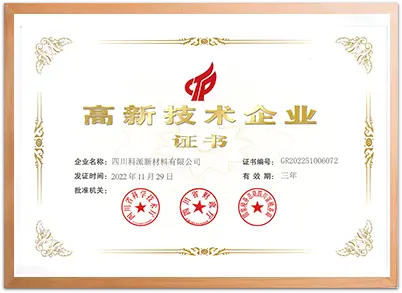
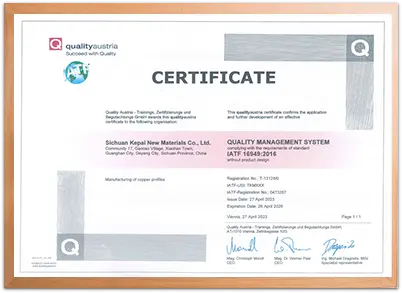
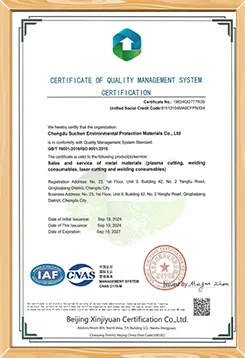
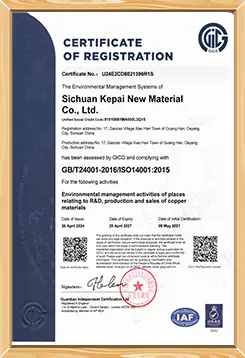
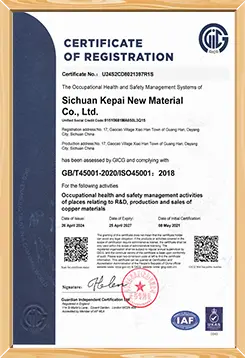
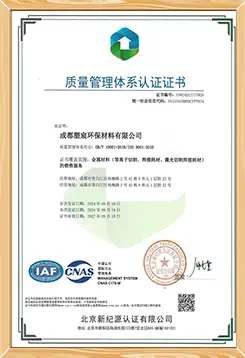
The company's products and services have passed a number of international authoritative certifications. These certifications represent that the company's product quality and safety have reached the international advanced level, provide customers with high-quality and reliable global solutions, and highlight the company's brand influence.


 SUCHEN