Engineered to original manufacturer specifications, ensuring optimal arc stability, precise cutting geometry, and extended life cycles.
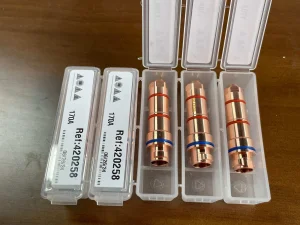
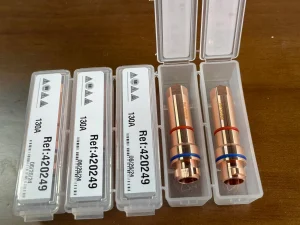
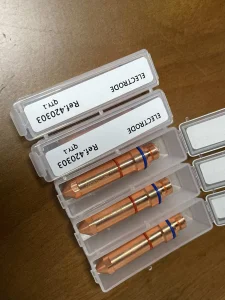
An in-depth analysis of plasma cutting electrodes, manufacturing dynamics, and purchasing methodologies for global industrial operations.
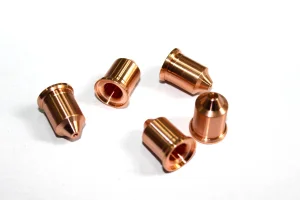
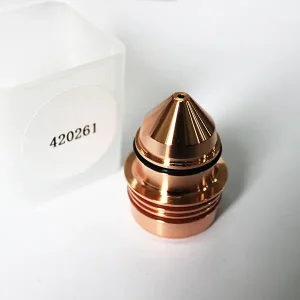
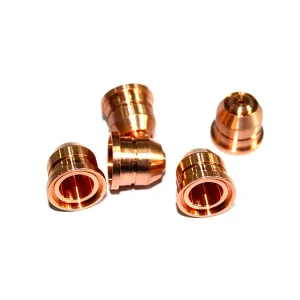
In modern fabrication, metal processing, and heavy structural engineering, plasma arc cutting remains a cornerstone technology. At the heart of this process lies the plasma cutter electrode. This small, highly engineered consumable is responsible for conducting the high-density current required to initiate and maintain the plasma arc. The arc temperature routinely exceeds 20,000°C (36,000°F).
The performance of the electrode directly dictates the quality of the cut, the kerf width, and the duty cycle of the entire cutting system. Electrodes are subject to extreme thermal distress and electrical erosion. An electrode of suboptimal quality can cause immediate arc misalignment, premature nozzle deterioration, and uneven metal finishes, which translate into significant manufacturing downtime. Understanding the metallurgy, design, and manufacturing tolerances of these components is crucial for purchasing managers and plant engineers aiming to optimize production efficiency and minimize operating expenses.
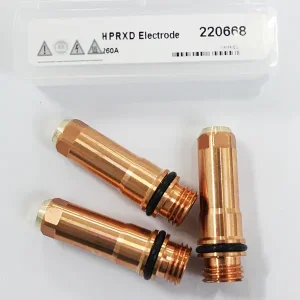
High-grade plasma electrodes require a seamless molecular bond between the oxygen-free copper body and the hafnium core. Copper provides the high thermal and electrical conductivity needed to dissipate heat rapidly, while the hafnium insert acts as the electron emitter due to its high melting point and excellent emission characteristics. Poor bonding creates thermal micro-voids, leading to rapid blowout.
Industrial procurement teams face a constant choice between OEM parts and aftermarket alternatives. True OEM plasma cutter electrode exporters adhere to rigid dimensional tolerances, often down to ±0.005mm. These precise dimensions ensure a concentric match with the swirl ring and nozzle, allowing for an even distribution of the plasma gas (such as compressed air, oxygen, nitrogen, or argon-hydrogen).
Substandard aftermarket electrodes often skimp on copper quality and use lower-purity hafnium inserts. The consequences of using such components include:
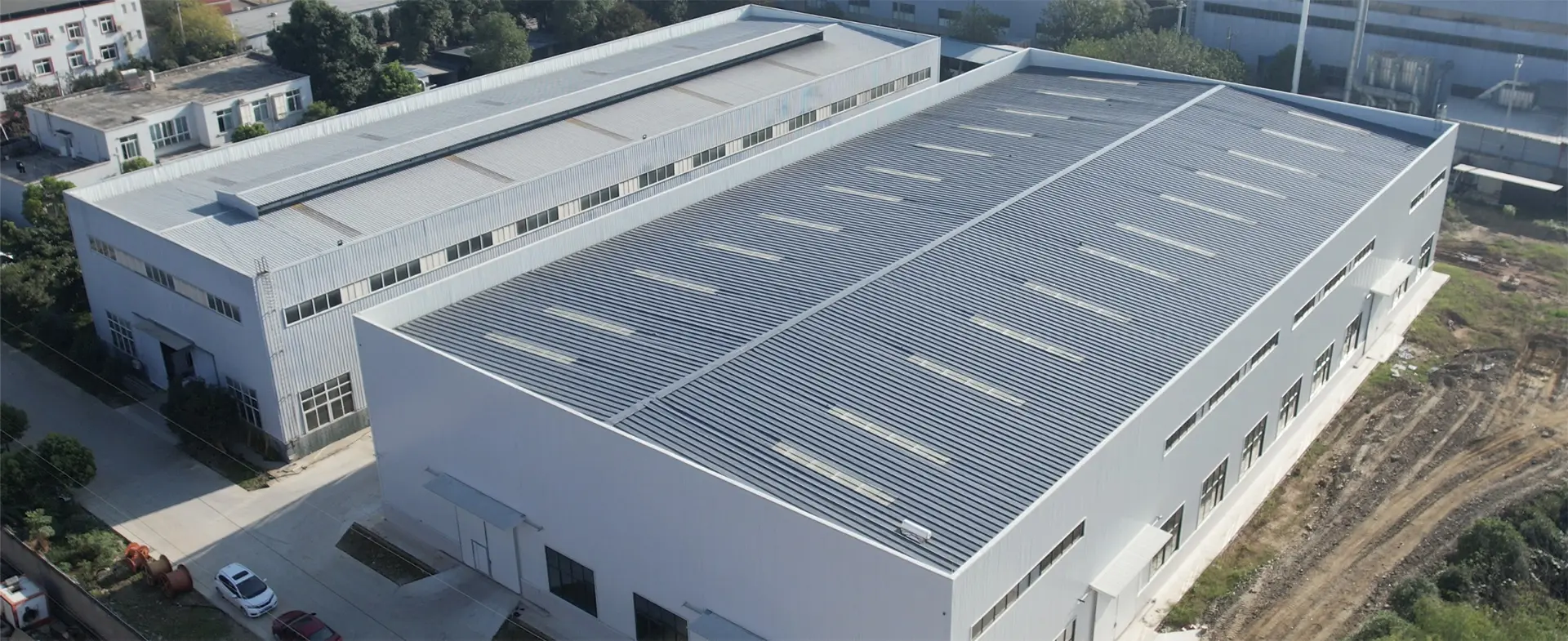
Established in 2010 in the industrial Qingbaijiang District of Chengdu, Chengdu Suchen Environmental Protection Materials Co., Ltd. has developed into a diversified manufacturer of high-performance cutting and welding consumables. Over the past 14 years, we have optimized our design and production methods to support the rigorous demands of global heavy industry.
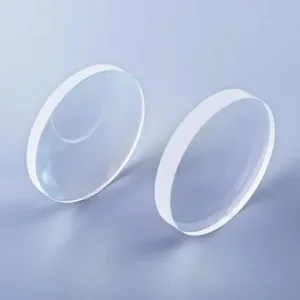
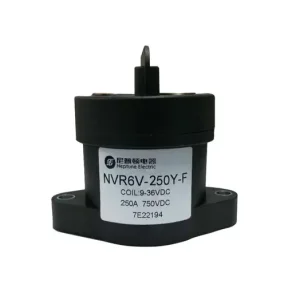
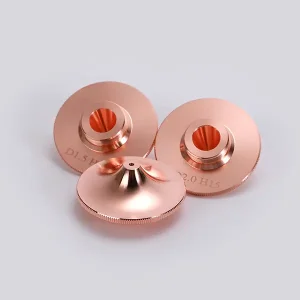
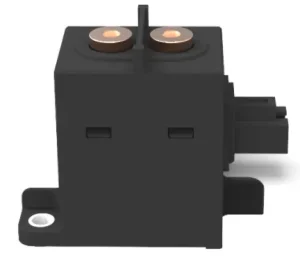
Our core product lines include premium plasma cutting consumables, laser cutting optics, and high-voltage DC relays. Focused primarily on international trade, we serve demanding buyers in the automotive, aerospace, structural steel, and shipbuilding industries, ensuring that every batch meets the highest standards of reliability.
View OEM Electrode SolutionsChina has established itself as the global manufacturing hub for thermal cutting consumables. Leading exporters, like Chengdu Suchen, leverage this industrial base to provide clear structural advantages to international buyers:
How we align technical competence with ecological responsibility and client services.

We aim to become a globally recognized supplier of green environmental materials and new energy components, driving technological innovation and market development to enhance product performance for Fortune 500 companies.

We advocate "integrity, cooperation, and win-win." We treat clients and partners with honesty, promoting shared growth, knowledge integration, and mutual success to build long-term value.

Adhering to "customer first," we provide comprehensive technical support, flexible OEM customization, and efficient logistics management to support green industrial initiatives globally.

As a manufacturer in the high-temperature thermal cutting sector, Chengdu Suchen Environmental Protection Materials Co., Ltd. is committed to the concept of "green sustainable development." We design our production processes and products to meet modern international environmental regulations, such as RoHS and REACH.
By utilizing high-purity materials and advanced machining processes, we minimize material waste and improve the working environment for machine operators. Eliminating trace heavy-metal pollutants from our manufacturing line helps our customers implement green production models and lower their carbon footprint.
Industrial plasma cutters operate under diverse conditions, requiring consumables that perform consistently across different application scenarios:
The thermal cutting industry is evolving toward automated, digital, and energy-efficient setups. Key trends shaping this sector include:
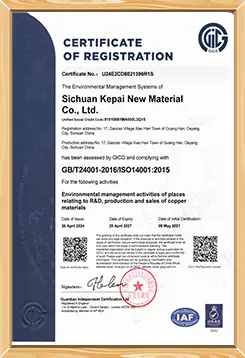
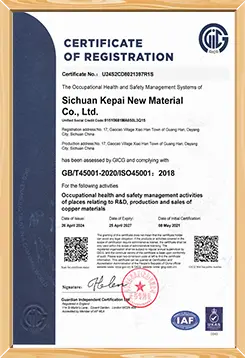
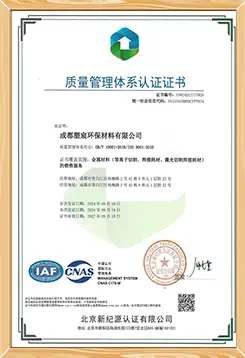
Our quality management systems and industrial components comply with international standards, providing reliable solutions to global markets.
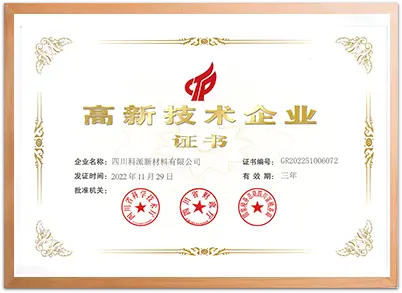
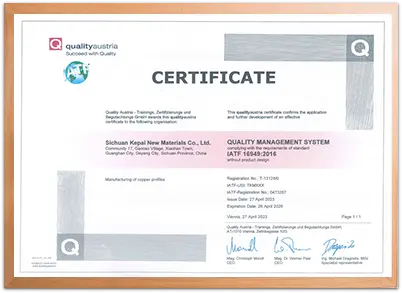

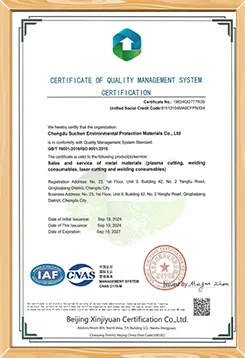

Crucial industrial insights and purchasing guidelines answered by our engineering and logistics specialists.
The lifespan of an electrode depends on operating amperage, gas cleanliness, and average cycle times. Under standard conditions, a high-quality hafnium electrode lasts for approximately 2 to 3 hours of continuous arc-on time. It is recommended to replace the electrode when the hafnium pit depth reaches 1.5mm to 2.0mm to avoid torch damage.
Hafnium has a low work function, allowing it to emit electrons at lower temperatures than other materials, combined with a high melting point (2,233°C). This combination makes it suitable for oxygen and nitrogen plasma cutting, providing a stable pilot arc and resisting erosion under high-current thermal stress.
Gas purity is critical. Moisture, oil, or particulate contaminants in the plasma gas line cause rapid oxidation of the hafnium insert, leading to premature blowout. Clean, dry air (dew point below -40°C) is required to ensure standard electrode service life.
Yes, our engineering department provides ODM/OEM design and manufacturing. Based on custom CAD drawings or sample pieces, we can adjust dimensions, inner coolants, and core materials to fit proprietary high-performance torch bodies.
We use high-precision multi-axis Swiss CNC machining centers. Additionally, each batch is inspected using automated optical comparator systems to verify concentricity and depth alignment of the hafnium insert within ±0.005mm.
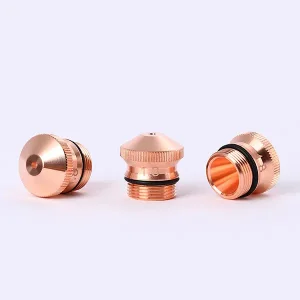
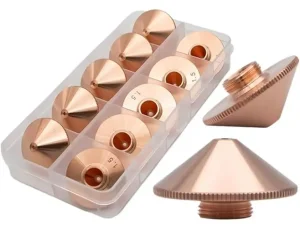
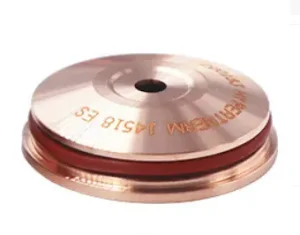
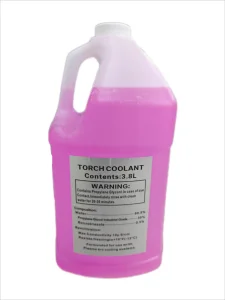
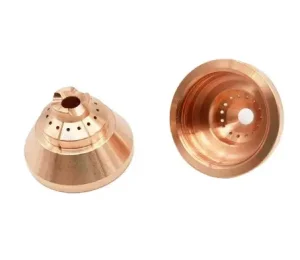
Explore our additional product configurations including high-voltage relays, shield caps, and laser nozzles.
 SUCHEN