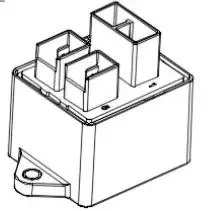
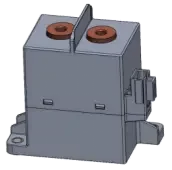
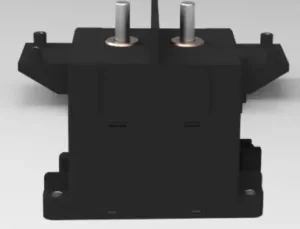
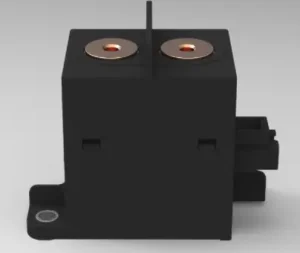
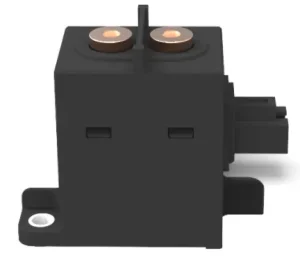
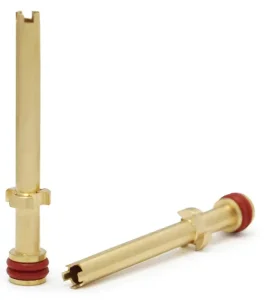
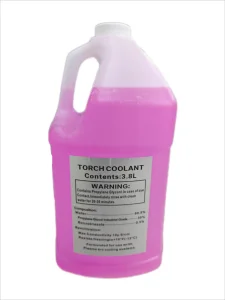
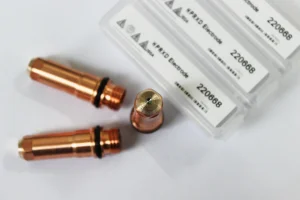
Engineered high-voltage switches tailored for Boston's local battery storage, commercial EV fleets, and automated manufacturing lines.
As the Commonwealth of Massachusetts charts its path toward net-zero greenhouse gas emissions by 2050, Greater Boston has evolved into a key testing ground and deployment hub for clean energy technologies. The regional transition from traditional power structures to localized microgrids, high-capacity Commercial & Industrial (C&I) energy storage, and comprehensive electric vehicle (EV) charging networks requires high-integrity components. In particular, the demand for robust DC contactors has grown rapidly.
From the heavy robotics clusters along Route 128 to clean-tech laboratories in East Boston and Cambridge, engineers require reliable contactors capable of handling continuous loads up to 1000VDC and beyond. These components form the critical interface within battery management systems (BMS), high-power charging poles, and PV inverter units, preventing system damage and securing grid stability. Chengdu Suchen Environmental Protection Materials Co., Ltd., leveraging 14 years of production expertise, delivers engineered switching solutions aligned with the stringent safety and efficiency standards of Boston’s technological ecosystems.
Procurement teams at international OEMs and municipal transit authorities look for three key attributes when choosing high-voltage components: safety compliance, electrical lifespan, and supply chain security. For projects in Boston, components must withstand demanding grid cycles, marine environmental exposure near Boston Harbor, and urban heating variations.
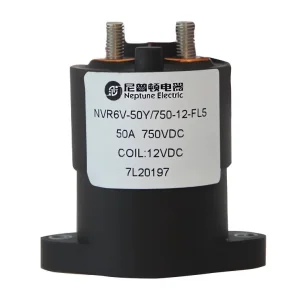
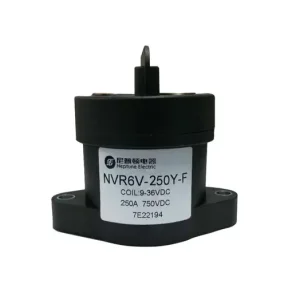
Chengdu Suchen addresses these requirements by integrating premium materials with advanced design methodologies. Our contactors feature hermetically sealed ceramic chambers filled with high-thermal-conductivity inert gases, protecting contacts from oxidation and containing electric arcs safely.
This approach is supported by rigorous quality control processes. From initial electromagnetic simulation to computerized thermal profiling and automated end-of-line testing, our manufacturing processes are designed to meet international standards.
Get Technical Specifications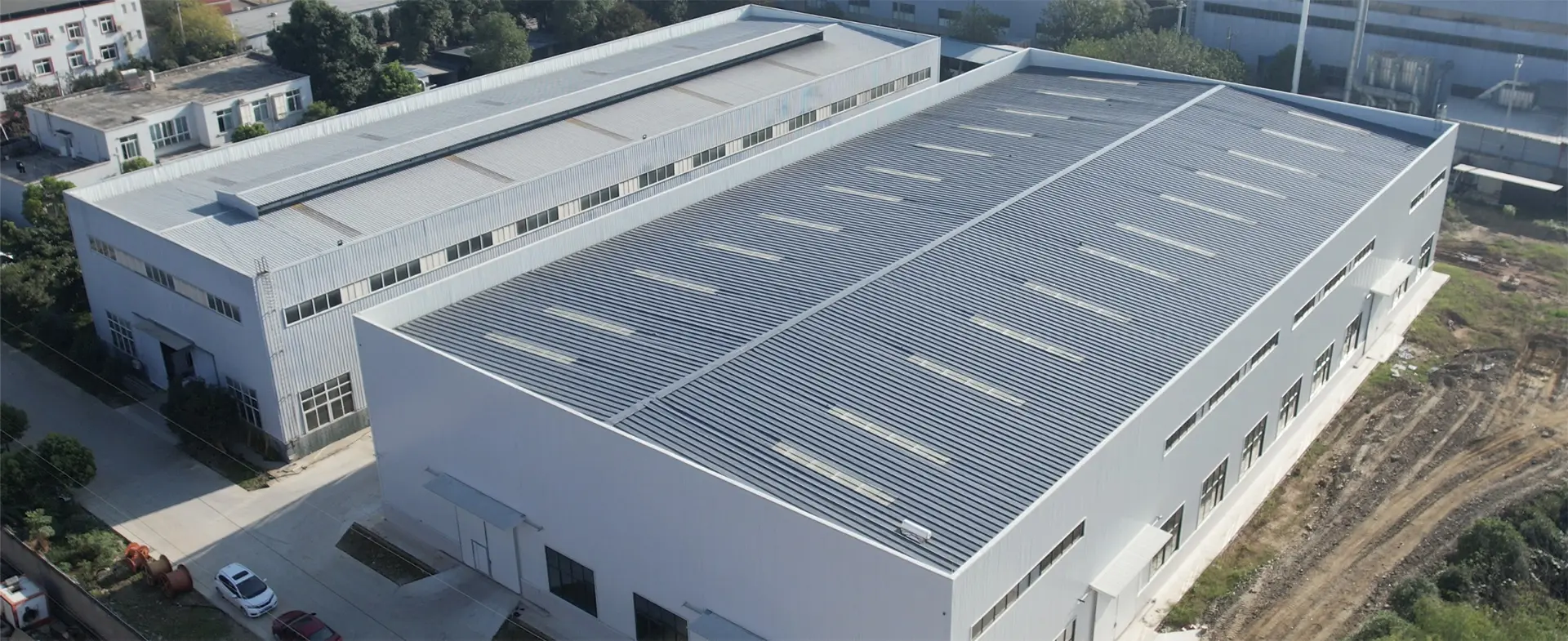
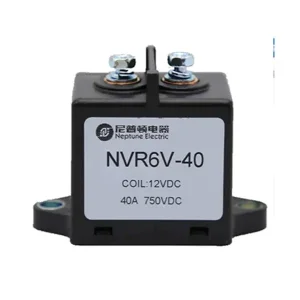
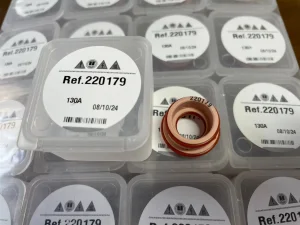
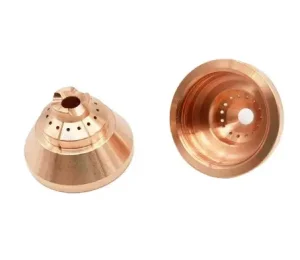
High-performance high-voltage DC contactors and industrial components designed for commercial energy storage and automated sheet metal fabrication in Boston.
Our research and development program focuses on three main goals: minimizing contact resistance, expanding voltage range capability, and integrating diagnostic features. Standard electromechanical relays can suffer from contact wear caused by micro-arcs during opening and closing cycles. Over time, this wear increases electrical resistance, leading to elevated temperatures and potential contact fusion.
To address this, Suchen contactors incorporate specific design elements, including:
Sealed ceramic arc chambers are pressurized with hydrogen-nitrogen gas configurations. This mixture cools the electrical arc quickly, assisting fast circuit interruption and reducing contact degradation.
Integrated permanent magnets redirect the arc outward into cooling grids. This design reduces arc duration and maintains consistent performance over the service life of the contactor.
We use specific silver-based alloy configurations that balance high electrical conductivity with mechanical durability, helping to prevent contact adhesion during transient short-circuit conditions.

Chengdu Suchen Environmental Protection Materials Co., Ltd. operates on a foundation of "green sustainable development." In our design and assembly processes, we use recyclable components and raw materials that comply with international environmental initiatives, helping our clients work toward green production objectives.
Our sustainability approach extends beyond material choices to include optimized logistics and waste management in our factories. By implementing energy-efficient manufacturing systems, we reduce our carbon footprint, supporting global supply chains focused on sustainable business models.
View Environmental StandardsHeavy-duty industrial accessories manufactured to support continuous production lines and precision fabrications in New England.
Our products and manufacturing facilities have received international certifications. These credentials verify that Suchen's quality control systems, design methods, and safety procedures meet recognized global industry benchmarks.
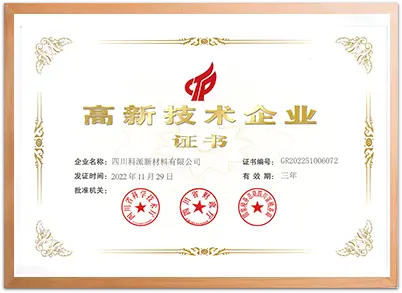
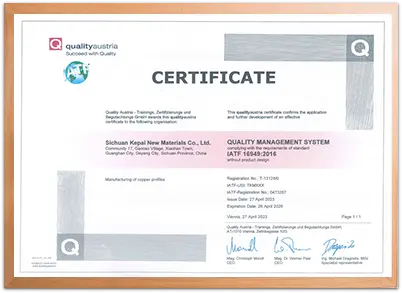
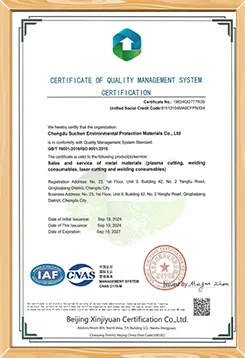
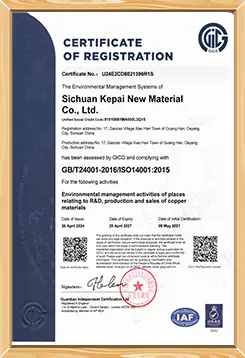
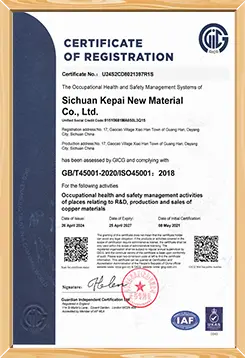
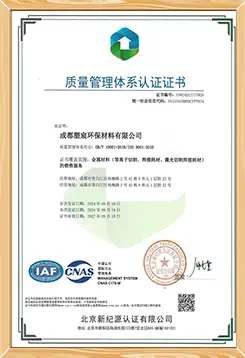
These standards confirm the suitability of our components for use in demanding grid, industrial, and transportation systems in Boston and the broader North American market.
Our engineering support begins during the design phase, assisting clients with component selection and system integration:
We provide modifications for contact resistance, mounting bracket styles, and auxiliary circuit configurations to meet specific application requirements.
Our engineers assist with system design, circuit isolation analysis, and selecting components based on expected electrical cycles.
We work with international logistics providers to coordinate shipping and delivery timelines to Boston and throughout New England.
Answers to technical and logistical questions for procurement officers and system engineers in Massachusetts.
In DC circuits, electrical arcs do not have natural zero-crossing points, making them more difficult to extinguish than AC arcs. Sealing the contact chamber and filling it with pressurized gas (such as a hydrogen-nitrogen blend) cools and extinguishes the arc quickly, protecting the contacts from damage.
Our quality control process includes checking incoming raw materials, automated laser welding of the hermetic seals, helium leak testing for chamber integrity, and electrical validation of every unit before shipment.
Yes. We can customize mounting plates, auxiliary contacts, and lead-wire connectors to match existing physical layouts or system specifications.
Our components are designed to meet standard international requirements. We hold relevant ISO certifications, CE markings, and UL-recognized component listings for key models, facilitating integration into systems destined for North American deployment.
Depending on order size and customization requirements, standard production ranges from 2 to 4 weeks. Air freight typically takes 5–8 business days, while ocean freight options are available for larger bulk shipments.
 SUCHEN